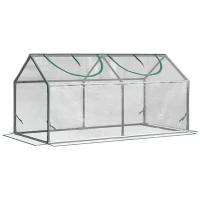
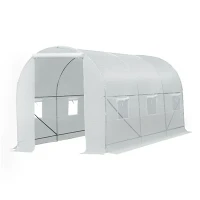
As a supplier of insulated greenhouses, I understand the paramount importance of fire safety in these structures. Insulated greenhouses are designed to provide a controlled environment for plant growth, but they also present unique fire risks. In this blog post, I will discuss the fire safety measures that should be implemented in an insulated greenhouse to protect both the plants and the people working inside.
Understanding the Fire Risks in Insulated Greenhouses
Insulated greenhouses are typically made of materials such as polycarbonate, glass, or polyethylene, which are flammable under certain conditions. Additionally, the use of electrical equipment, heating systems, and lighting can increase the risk of fire. Other potential fire hazards in an insulated greenhouse include:
- Combustible materials: The presence of plant debris, mulch, and other combustible materials can fuel a fire.
- Poor ventilation: Inadequate ventilation can lead to the buildup of flammable gases and vapors, increasing the risk of fire.
- Human error: Careless handling of electrical equipment, smoking, or the use of open flames can also cause fires.
Fire Safety Measures for Insulated Greenhouses
To minimize the risk of fire in an insulated greenhouse, the following fire safety measures should be implemented:


1. Fire-Resistant Materials
- Choose fire-resistant materials: When constructing or renovating an insulated greenhouse, choose fire-resistant materials for the structure, glazing, and insulation. For example, polycarbonate panels with a high fire rating can provide better protection against fire.
- Use non-combustible insulation: Insulation materials such as fiberglass or mineral wool are non-combustible and can help prevent the spread of fire.
2. Electrical Safety
- Proper wiring and grounding: Ensure that all electrical wiring in the greenhouse is properly installed and grounded to prevent electrical fires. Use electrical equipment that is rated for use in a greenhouse environment.
- Regular inspections: Conduct regular inspections of electrical equipment and wiring to identify and address any potential hazards. Replace any damaged or worn-out components immediately.
- Use surge protectors: Install surge protectors on all electrical equipment to protect against power surges and electrical fires.
3. Heating Systems
- Choose a safe heating system: Select a heating system that is designed for use in a greenhouse and meets all safety standards. Avoid using open-flame heaters or heating systems that produce sparks.
- Proper installation and maintenance: Have the heating system installed by a qualified professional and ensure that it is properly maintained. Regularly clean and inspect the heating system to prevent the buildup of dust and debris.
- Use a thermostat: Install a thermostat to control the temperature in the greenhouse and prevent overheating.
4. Lighting
- Use energy-efficient lighting: Choose energy-efficient lighting fixtures that produce less heat and reduce the risk of fire. LED lights are a good option for greenhouse lighting.
- Proper installation and placement: Install lighting fixtures in a way that prevents them from coming into contact with combustible materials. Keep lighting fixtures at a safe distance from plants and other objects.
- Regular inspections: Inspect lighting fixtures regularly to ensure that they are functioning properly and do not pose a fire hazard.
5. Fire Detection and Suppression
- Install smoke detectors: Install smoke detectors in the greenhouse to detect the presence of smoke and alert occupants in the event of a fire. Test smoke detectors regularly to ensure that they are working properly.
- Have a fire extinguisher on hand: Keep a fire extinguisher in the greenhouse and ensure that all occupants know how to use it. Choose a fire extinguisher that is appropriate for the type of fire that may occur in the greenhouse.
- Develop an emergency plan: Develop an emergency plan for the greenhouse that includes evacuation procedures and contact information for emergency services. Conduct regular fire drills to ensure that all occupants know what to do in the event of a fire.
6. Ventilation
- Proper ventilation: Ensure that the greenhouse has adequate ventilation to prevent the buildup of flammable gases and vapors. Use fans or vents to circulate air and remove excess heat and moisture.
- Regular maintenance: Regularly clean and inspect ventilation systems to ensure that they are functioning properly. Replace any damaged or worn-out components immediately.
7. Housekeeping
- Keep the greenhouse clean: Remove plant debris, mulch, and other combustible materials from the greenhouse regularly. Keep the floor and work areas clean and free of clutter.
- Store flammable materials safely: Store flammable materials such as pesticides, fertilizers, and fuels in a safe location away from heat sources and electrical equipment.
Conclusion
Fire safety is a critical issue in insulated greenhouses. By implementing the fire safety measures outlined in this blog post, you can minimize the risk of fire and protect your plants, equipment, and personnel. As a supplier of insulated greenhouses, I am committed to providing our customers with high-quality products and services that meet the highest safety standards. If you have any questions or need further information about fire safety in insulated greenhouses, please contact us or visit our website at Insulated Greenhouse. We also offer a range of other greenhouse products, including Low Tunnel Greenhouse and Walk In Tunnel Greenhouse.
References
- National Fire Protection Association. (2023). NFPA 1: Fire Code. Quincy, MA: NFPA.
- Occupational Safety and Health Administration. (2023). Electrical Safety in the Workplace. Washington, DC: OSHA.
- United States Department of Agriculture. (2023). Greenhouse Safety. Washington, DC: USDA.