Hey there! As a supplier of high tunnel greenhouses, I often get asked about the energy consumption of these amazing structures. So, let's dive right in and chat about what it takes to power a high tunnel greenhouse.
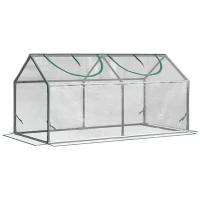
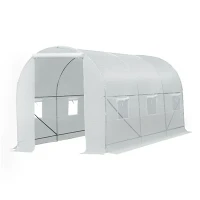
First off, what exactly is a High Tunnel Greenhouse? Well, it's a type of greenhouse that's typically made of a metal frame covered with a polyethylene film. They're a bit different from traditional greenhouses because they're usually not heated, but they still offer a lot of benefits, like protecting your plants from the elements and extending the growing season.
Now, when it comes to energy consumption, it's important to understand that there are a few different factors that can affect how much energy a high tunnel greenhouse uses. One of the biggest factors is the climate where the greenhouse is located. If you're in a colder climate, you might need to use more energy to keep the temperature inside the greenhouse at a level that's suitable for your plants. On the other hand, if you're in a warmer climate, you might not need as much energy for heating, but you might need to use more energy for ventilation to keep the air circulating and prevent the greenhouse from getting too hot.
Another factor that can affect energy consumption is the size of the greenhouse. Generally speaking, the larger the greenhouse, the more energy it will use. This is because there's more space to heat or cool, and more air to circulate. However, there are ways to make larger greenhouses more energy-efficient, like using insulation and energy-efficient equipment.
Let's talk about the different types of energy that a high tunnel greenhouse might use. The most common type of energy used in greenhouses is electricity. This is used to power things like fans, heaters, and lights. Fans are important for ventilation, which helps to keep the air inside the greenhouse fresh and prevent the growth of mold and other pests. Heaters are used to keep the temperature inside the greenhouse at a level that's suitable for your plants, especially during the colder months. Lights are used to provide additional light for your plants, especially during the winter when there's less natural sunlight.
Another type of energy that can be used in high tunnel greenhouses is natural gas. Natural gas is often used to power heaters, and it can be a more cost-effective option than electricity in some areas. However, it's important to make sure that your greenhouse is properly ventilated when using natural gas, as it can produce carbon monoxide, which is a dangerous gas.
Solar energy is also becoming an increasingly popular option for high tunnel greenhouses. Solar panels can be installed on the roof of the greenhouse to generate electricity, which can be used to power the fans, heaters, and lights. This can be a great way to reduce your energy costs and your carbon footprint. However, solar energy can be a bit more expensive to install upfront, and it might not be a practical option in areas with limited sunlight.


So, how much energy does a high tunnel greenhouse actually use? Well, it really depends on a lot of factors, like the size of the greenhouse, the climate, and the type of equipment you're using. However, on average, a high tunnel greenhouse might use anywhere from a few hundred to a few thousand kilowatt-hours of electricity per month. This might seem like a lot, but it's important to remember that the energy used in a greenhouse is an investment in your plants. By providing the right environment for your plants to grow, you can increase your yields and produce higher-quality crops.
Now, let's talk about some ways to reduce the energy consumption of your high tunnel greenhouse. One of the easiest ways to do this is to use energy-efficient equipment. For example, you can use LED lights instead of traditional incandescent lights, as LED lights use less energy and last longer. You can also use energy-efficient fans and heaters, which can help to reduce your energy costs.
Another way to reduce energy consumption is to use insulation. Insulation can help to keep the heat inside the greenhouse during the winter and the cool air inside during the summer. This can reduce the amount of energy you need to use to heat or cool the greenhouse. You can use insulation materials like bubble wrap or fiberglass insulation to insulate the walls and roof of the greenhouse.
Proper ventilation is also important for reducing energy consumption. By keeping the air inside the greenhouse fresh and circulating, you can reduce the need for heating and cooling. You can use fans and vents to improve ventilation, and you can also open the doors and windows of the greenhouse on warm days to let in fresh air.
As a high tunnel greenhouse supplier, I'm always happy to help my customers find ways to reduce their energy consumption and make their greenhouses more efficient. If you're interested in learning more about high tunnel greenhouses or if you have any questions about energy consumption, please don't hesitate to reach out. We can work together to find the best solutions for your specific needs and budget.
In conclusion, the energy consumption of a high tunnel greenhouse can vary depending on a lot of factors, but there are ways to reduce it. By using energy-efficient equipment, insulation, and proper ventilation, you can save money on your energy bills and make your greenhouse more sustainable. If you're in the market for a high tunnel greenhouse, I encourage you to contact us to discuss your options. We can help you choose the right greenhouse for your needs and provide you with the support and guidance you need to make it a success.
References
- Smith, J. (2020). Greenhouse Energy Management. Agricultural Extension Service.
- Jones, A. (2019). Energy-Efficient Greenhouse Design. Journal of Sustainable Agriculture.