

Tunnel Greenhouse
What is Tunnel Greenhouse
Tunnel greenhouse, while comparable to traditional greenhouses, are typically lighter, more movable, more flexible, and more versatile than their bigger, more permanent counterparts. This gives growers a handful of distinct benefits in building an environment that is ideal for vegetables, leafy greens, and other crops.
Benefits of Tunnel Greenhouse
Season extension
A high tunnel greenhouse allows operations to extend the growing season, producing in-ground crops for a longer period each year. These structures help protect plants amidst extreme heat, cold temperatures, frost, snow and overly rainy seasons.
Using durable steel-tube construction and various covering materials, like poly film or shade cloth, operations can start growing in early spring, produce high-quality crops right through summer and then gain an extra harvest later in the fall.
Increased yields
In addition to generating more crops throughout the year, growers should also be able to use a high tunnel to make their yields larger and higher in quality.
Many studies have proven that, compared to an open-field setting, high tunnels provide an improved growing environment where crops can grow more vigorously. The structures offer greater control over essential inputs, like water, fertilizer and temperature, as well as protection from harsh weather that can reduce crop loss. Subsequently, growers can start to produce in-ground crops that are comparable to greenhouse plants.
Potential funding
To complement their budget-friendly nature, high tunnels also provide growers with the ability to gain government funding. This can be done through the natural resources conservation service’s (nrcs) eqip grant, which gives operations financial support in exchange for integrating conservation into their working lands.
Straightforward construction
High tunnel benefits also pertain to their construction. They are easy to build and can typically be erected with just a couple people.
Greenhouse specialists are also available to help with any troubleshooting.
Easy to relocate
A movable high tunnel is a valuable tool for any grower, as it provides them with a durable, permanent structure that can also be relocated as needed. Fortunately, most high tunnel greenhouses are very simple to assemble and disassemble.
They usually only require unbolting the rafters from the ground posts, removing the cover and moving the structure to a new location. The ground posts can be reused, but it is often times easier to order new ones. Once the structure has been relocated, install the ground posts, bolt on the rafters and put the poly covering back on.
Easy to ventilate
In a high tunnel or hoop house, growers benefit from convenient air circulation, without having to install extensive ventilation systems.
The main advantage of drop-down sides is where the air comes into the hoop house, and the temperature of the air.
Reduced need for pesticides
The protected environment in the high tunnel also leads to a reduced occurrence of insect and mite pests. Additionally, it creates a less hospitable environment for diseases, reducing the occurrence of outbreaks. This allows growers to limit their dependence on pesticides and other chemicals.
Allows for crop diversity
High tunnels have been used all over the country, and the diversity of crops seems endless. They allow growers to experiment with early varieties and can also allow for multiple crop rotations within the growing season. Operations have found success cultivating a variety of crops, including leafy greens, vegetables, blueberries, cherries, grapes and much more.
High tunnel benefits are wide in scope and implementing one can be a great addition to just about any operation. Whether it’s a small retail business growing local produce, or a commercial-scale production facility, these structures help growers maximize every square foot of their land.
-
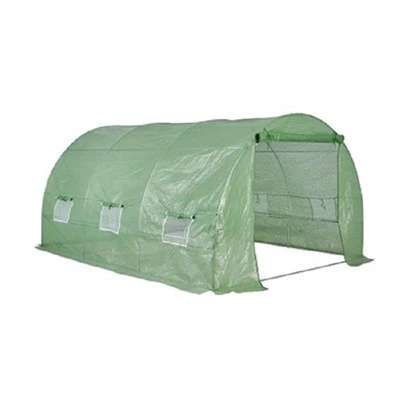 Low Tunnel GreenhouseLow tunnel greenhouse are temporary structures that are approximately 4 feet tall and 3 to 6 feet wide. Hoops constructed of wire (9-gauge) or pipe (metal or plastic) can be used to support row coverAdd to Inquiry
 -
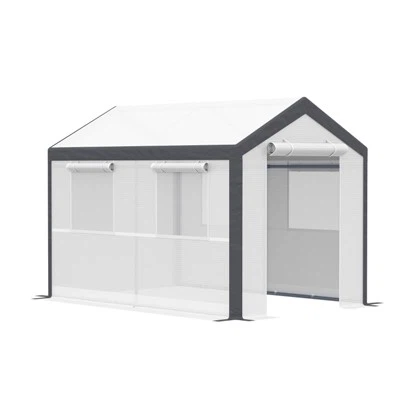 Walk In Tunnel GreenhouseA walk-in tunnel greenhouse, also known as a greenhouse or high tunnel, is a greenhouse designed to maximize plant growth by providing a controlled growth environment for plants. This type ofAdd to Inquiry
 -
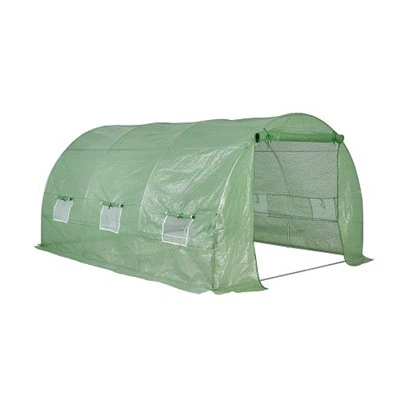 Low Tunnel GreenhouseLow Tunnel Greenhouse, also known as a greenhouse or high tunnel, is a greenhouse designed to maximize plant growth by providing a controlled growth environment for plants. This type of greenhouseAdd to Inquiry
 -
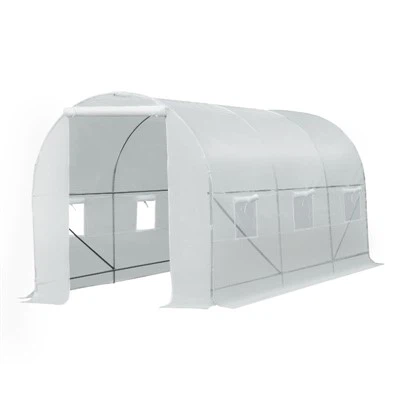 Backyard Greenhouse for WinterBackyard Greenhouse For Winter, also known as a greenhouse or high tunnel, is a greenhouse designed to maximize plant growth by providing a controlled growth environment for plants.Add to Inquiry
 -
 Outdoor Tunnel GreenhouseOutdoor Tunnel Greenhouse, also known as a hoop house or a high tunnel, is a type of greenhouse that is designed to maximize plant growth by providing a controlled environment for plants to thrive in.Add to Inquiry
 -
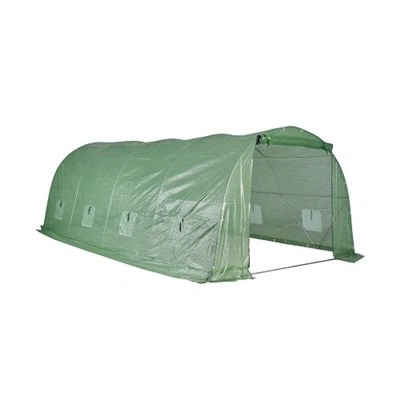 Insulated GreenhouseInsulated Greenhouse, also known as a greenhouse or high tunnel, is a greenhouse designed to maximize plant growth by providing a controlled growth environment for plants. This type of greenhouseAdd to Inquiry


Why Choose us
Quality Assurance
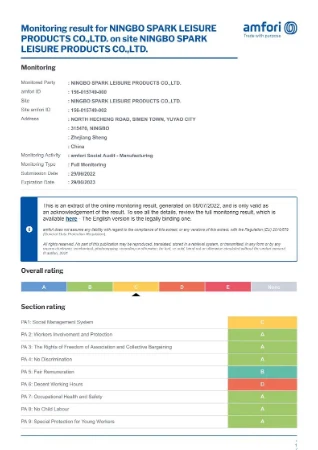
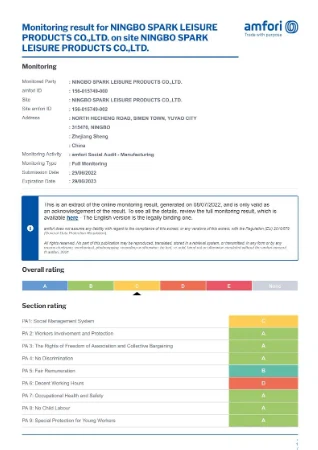
We have obtained BSCI certificates. Selling well in all cities and provinces around China, our products are also exported to clients in such countries and regions as America. We also welcome Europe and Australia orders.
Experience and expertise
Dedicated to strict quality control and thoughtful customer service, our experienced staff members are always available to discuss your requirements and ensure full customer satisfaction.
Quality Services
Whether selecting a current product from our catalog or seeking engineering assistance for your application, you can talk to our customer service center about your sourcing requirements.
Hoop House vs Greenhouse vs Tunnel Greenhouse
Light and Permeability
The most direct light enters greenhouses, which is fantastic for growing but should be considered since too much direct sunlight can cause sunscald on plants.
Since they employ translucent plastic, hoop houses and tunnel greenhouse admit around 70–80% of sunlight, making them ideal for most vegetables and crops.
Temperature
The purpose of having a greenhouse construction in the first place is to accommodate the fact that most crops cannot grow in cold climates. However, not all of these can regulate temperature or ventilate the air as well as others.
Greenhouses may be heated and are these trees’ primary heat-absorbers. Tunnel greenhouse and hoop houses are typically three-season structures since they cannot be heated.
Ventilation
In comparison to greenhouses, hoop houses have better ventilation, which is beneficial during hot weather. Hoop homes are not ideal for cold weather since they are more susceptible to temperature changes as a result.
Costs
Naturally, the pricing may vary depending on the materials you choose, the size of your area, and whether you’ re including a door, windows, and a floor. The greenhouse is the most expensive as compared to the other two methods.
A Comprehensive Guide to Choosing the Right Tunnel Greenhouse
What is a Tunnel Greenhouse?
A tunnel greenhouse is a type of high tunnel or hoop house that extends your growing season and protects your crops from cold weather and other harsh conditions. It consists of a galvanized metal frame covered with a durable plastic film, allowing natural light and warmth to enter while keeping out rain, wind, and pests.
Are Polytunnels as Good as Greenhouses?
While polytunnels and greenhouses share some similarities, they have some significant differences. A polytunnel is a type of tunnel greenhouse made entirely of polyethylene film, while a greenhouse typically has a more solid structure made of glass or polycarbonate. Polytunnels are generally less expensive than traditional greenhouses and can be easier to assemble and disassemble. However, they may not be as sturdy or long-lasting as traditional greenhouses and may require more maintenance.
Do Tunnel Greenhouses Work?
Yes, tunnel greenhouses are an effective way to protect your crops and extend your growing season. They provide a controlled environment for your plants, protecting them from harsh weather conditions such as cold, wind, and rain. The plastic cover allows for natural light and warmth to enter, which encourages plant growth and production.
How Much Does a Tunnel Greenhouse Cost?
Roughly US$ 110, Width 2m, Length:3m, Height:2m, Galvanized steel pipe, size:25mm x 0.7mm, with 2 doors and 6 windows, and some necessary accessories.
The price of a tunnel greenhouse can vary depending on its size, materials, and features. A basic, smaller-sized tunnel greenhouse may cost a few hundred dollars, while a larger, more advanced model can cost several thousand dollars. Additionally, the cost of shipping, assembly, and installation should be taken into account when determining the final price.
What are the Advantages of Tunnel Greenhouses?
In addition to the benefits listed above, tunnel greenhouses have some specific advantages over other greenhouse types. These advantages include:
• Durability: Tunnel greenhouses are built to withstand harsh weather conditions, making them a durable option for growers.
• Versatility: Tunnel greenhouses can be used for a variety of crops, including fruits, vegetables, and flowers.
• Easy assembly: Many tunnel greenhouse kits come with pre-cut and pre-drilled parts, making assembly easy and hassle-free.
• Ventilation: Tunnel greenhouses can be equipped with proper ventilation systems to control temperature and humidity levels.
• Portability: Tunnel greenhouses can be easily moved from one location to another if necessary.
Types of Greenhouse Tunnels
When it comes to greenhouse tunnels, there are several types to choose from, including hoop houses, high tunnels, and traditional greenhouses. Hoop houses are typically the most affordable and easiest to set up, but they may not be as sturdy as high tunnels or traditional greenhouses. High tunnels are similar to hoop houses but are typically taller and wider, providing more space for growers to work in. Traditional greenhouses are typically the most expensive option, but they offer the most protection and control over the growing environment.
Factors to Consider When Selecting a Greenhouse Tunnel
When selecting a greenhouse tunnel, there are several factors to consider, such as size, frame material, and price. Galvanized steel frames are typically the most durable option, but they may be more expensive than other materials such as PVC or wood. It's also important to consider the size of the greenhouse tunnel, as well as the types of crops you plan to grow inside it. Additionally, it's important to consider shipping and customer service options when shopping for a greenhouse tunnel, as well as any additional items you may need to purchase to complete the setup process.
Greenhouse Tunnels vs. Traditional Greenhouses
When it comes to choosing between greenhouse tunnels and traditional greenhouses, there are pros and cons to both options. While traditional greenhouses offer more control over the growing environment and may be more durable in some cases, they are typically more expensive and may require more space. On the other hand, greenhouse tunnels are typically more affordable and easier to set up, but may not offer as much control over the growing environment and may not be as durable as traditional greenhouses.
Your Tunnel Greenhouse Maintenance Checklist
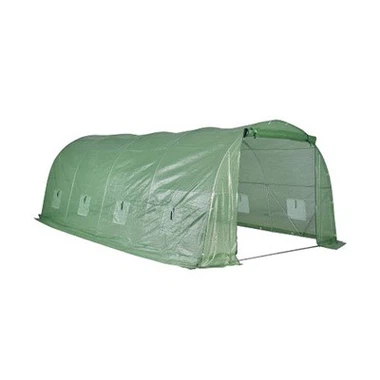
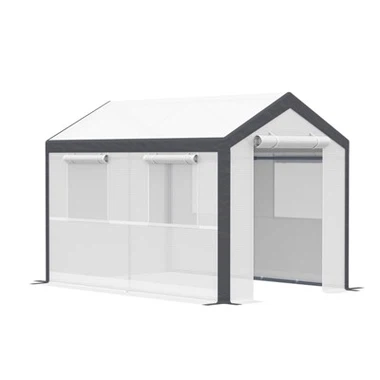

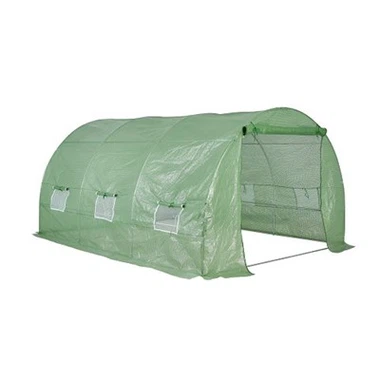
Paneling and glazing
A variety of tunnel greenhouse coverings exist, so be sure your maintenance plan suits your materials. Also, different glazing types—including glass, poly film, and polycarbonate—require different maintenance plans. Adjust accordingly.
Do a visual inspection. Look for areas where you'll need to repair tearing, or broken or slipped glass. Make note of any cracked or missing sheets of polycarbonate. Check for loose screws and attachment extrusions.
Check the clips. Ensure all the clips hold the glazing panels in place. You can secure loose glazing clips in place with silicone sealant to provide extra strength against strong winds.
Check bar caps. Regularly test your bar caps for tightness if you're using glass panes.
Wash panels. Wash polycarbonate and acrylic panels with a mild detergent and lukewarm water using a soft sponge to remove dirt, smog, and debris. Once clean, test and measure the level of lighting.
Frames
Different frame materials require slightly different checklists. However, daily wear and tear—and severe weather like hail, snow, or wind—can weaken any tunnel greenhouse frame. Include these tasks in your maintenance worksheet:
Paint or scrub. For wood frames, if you need to paint or stain, save it for summer. For aluminum frames, address any signs of corrosion or wear and tear.
Ventilation and fans
Tunnel greenhouse vents play a critical role in creating a safe environment for your plants by replenishing CO2 and removing excess heat and moisture. Exhaust fans work in partnership with your shutters and vents. These tips can help keep your tunnel greenhouse grow-ready.
Lubricate vent components. Roof and sidewall vents get a lot of use, so they need continuous attention. Lubricate bearings, rack and pinions, and vent arm hinge points. Also grease the shutter hinge points so they close tight. Don't forget to check the fluid in your gearbox drives.
Fix loose-closing vents. If your vents don't close tight, you can add weather stripping to help stop excess permeation.
Check vent position switches. With automated vents, double-check the minimum and maximum vent positions to ensure they stop at the correct spot.
Heaters and boilers
A functioning and efficient boiler is a crucial part of your tunnel greenhouse—and not something you want breaking down in the middle of a cold snap. Your maintenance goal here is to keep your heater running smoothly, at all times.
Service all equipment before the heating season begins. It's important to have your heating unit inspected annually by a licensed heating, ventilation, and air conditioning (HVAC) company to ensure your heaters and exhaust pipes are clean and in safe operating condition.
Floors and doors
Floors need to allow for good drainage and insulate the tunnel greenhouse from cold. Doors need to seal properly for optimal insulation and pest control.
Regularly clean the floor. Use soap and a disinfectant to scrub concrete floors. Remove any dirt, debris, and algae, and pay close attention to corners, cracks, and areas under benches.
Repair floor cracks. Remove any weeds or debris from cracks and crevices. Repair cracks in concrete with caulk or other repair material. You can repair a cracked concrete foundation wall with an epoxy adhesive.
Consider floor insulation. To avoid heat loss, insulate as deep as the frost line around the perimeter of a heated concrete slab floor. Some growers have even insulated below the slab.
Inspect doors. Add or replace weatherstripping to reduce permeation through small gaps around doors. Use brush-type astragal weatherstripping on sliding doors. Replace worn doors showing large gaps with insulated steel doors and frames.
Pests and disease
Keeping pests and disease at bay in your tunnel greenhouse is a vital part of tunnel greenhouse maintenance. Common pests in warm, humid conditions include aphids, red spider mites, and mealy bugs. Common diseases and conditions include mildew and botrytis. To help keep your yields safe, follow these tips.
Disinfect irrigation and holding tanks. Irrigation lines and holding tanks develop algae and can host thousands of gnats, which are a threat to small roots.
Prevent invasion. Thoroughly inspect your tunnel greenhouse for small gaps in the base, frame, or glazing panels, and properly fill them. Make sure your doors close tightly.
Deep clean. Schedule time to deep clean your tunnel greenhouse to help alleviate disease propagation, mold, and pests that might otherwise overwinter.
Check plants for disease. Promptly remove plants that show signs of pests or disease. Safely isolate or dispose of any affected plants.
Consider organic pest control. Introduce natural pest predators like ladybugs and lacewing larvae into your growing areas.
Our Factory
Solayis established in 2010, is a professional engaged in the research, development, sale and service of gazebos,outdoor tents and green houses. Our company is located in ningbo zhejiang province with convenient transportation access.
In addition, we have obtained BSCI certificates. Selling well in all cities and provinces around China, our products are also exported to clients in such countries and regions as America. We also welcome Europe and Australia orders. We have many partners for ten years in a row, with the best quality service.We have also participated in many exhibitions, such as The Cologne Outdoor Leisure Fair and The China Import and Export Fair. The excellent quality of our products has earned us many compliments from our customers. We look forward to meeting more customers.

Our certificates




Asked Questions
As one of the leading tunnel greenhouse manufacturers and suppliers, we warmly welcome you to wholesale cheap tunnel greenhouse from our factory. All our products are with high quality and competitive price.
light control in tunnel greenhouse, fruit production in tunnel greenhouse, wholesale market for tunnel greenhouse