


What is Low Tunnel Greenhouse
Low tunnel greenhouse are temporary structures that are approximately 4 feet tall and 3 to 6 feet wide. Hoops constructed of wire (9-gauge) or pipe (metal or plastic) can be used to support row cover spunbond fabric or polyethylene plastic to create a mini greenhouse over the crops.
Benefits of Low Tunnel Greenhouse
Extended Growing Season: Low tunnel greenhouse allow you to start planting earlier in spring and continue harvesting later into fall or even winter, depending on the climate and crops. Consequently, you can enjoy fresh produce that may be unavailable or expensive in stores during certain seasons.
Enhanced Crop Protection: Low tunnel greenhouse shield your crops from frost, hail, wind, rain, pests, and diseases, reducing your losses and increasing your yields. This protection eliminates or reduces the need for pesticides or other chemicals, saving you money, time, and effort.
Improved Crop Quality: The controlled conditions within a tunnel greenhouse-temperature, humidity, and light-lead to more uniform and faster germination, growth, and ripening of crops. The result is better tasting, fresher produce, rich in vitamins, minerals, and antioxidants, and with a longer shelf life and improved appearance.
Reduced Environmental Impact: Low tunnel greenhouse can help reduce your carbon footprint and water usage while enhancing soil health and biodiversity. By using practices like composting, cover cropping, crop rotation, and integrated pest management, you contribute to a sustainable and resilient food system.
Related Products
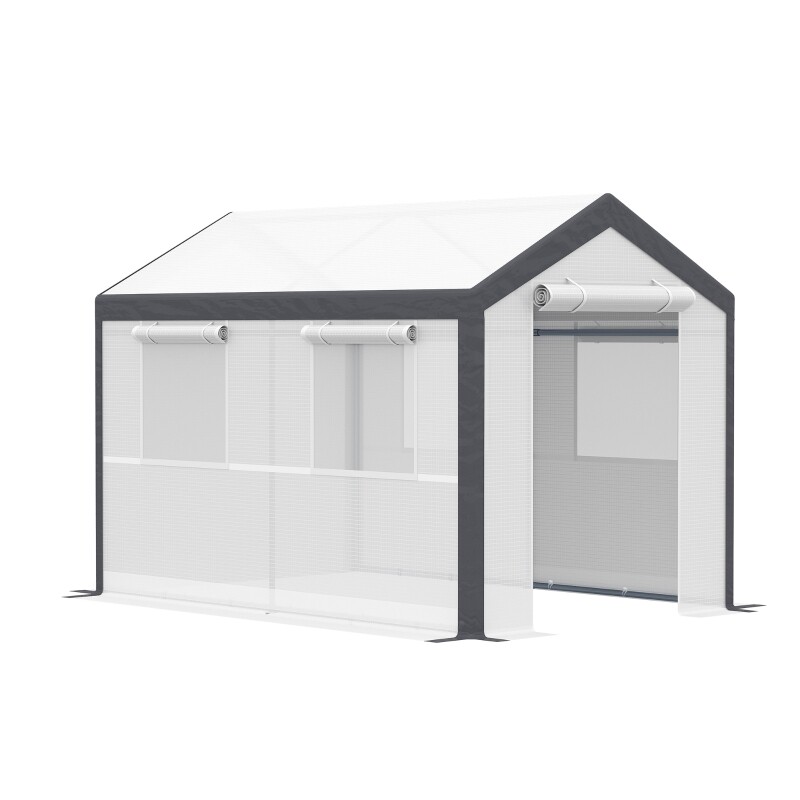
A walk-in tunnel greenhouse, also known as a greenhouse or high tunnel, is a greenhouse designed to maximize plant growth by providing a controlled growth environment for plants. This type of greenhouse consists of a series of rings covered in a durable plastic sheet.

Backyard Greenhouse for Winter
Backyard Greenhouse For Winter, also known as a greenhouse or high tunnel, is a greenhouse designed to maximize plant growth by providing a controlled growth environment for plants.

Outdoor Tunnel Greenhouse, also known as a hoop house or a high tunnel, is a type of greenhouse that is designed to maximize plant growth by providing a controlled environment for plants to thrive in.

Insulated Greenhouse, also known as a greenhouse or high tunnel, is a greenhouse designed to maximize plant growth by providing a controlled growth environment for plants. This type of greenhouse consists of a series of rings covered in a durable plastic sheet.
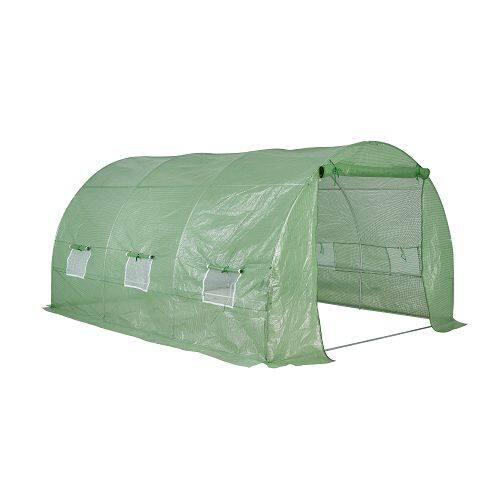
Low Tunnel Greenhouse, also known as a greenhouse or high tunnel, is a greenhouse designed to maximize plant growth by providing a controlled growth environment for plants. This type of greenhouse consists of a series of rings covered in a durable plastic sheet.
Why Choose us
Quality Assurance
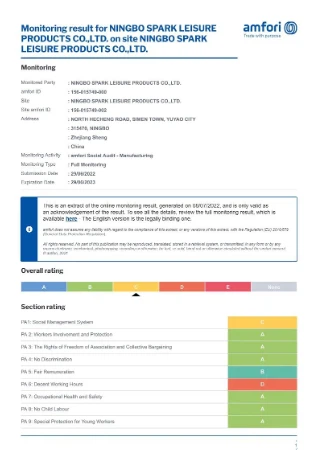
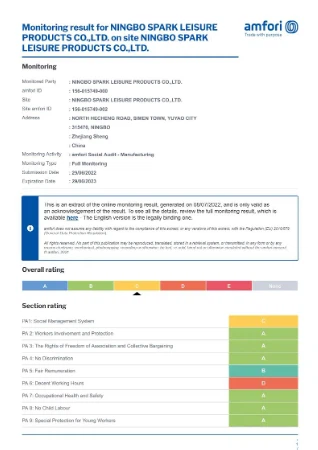
We have obtained BSCI certificates. Selling well in all cities and provinces around China, our products are also exported to clients in such countries and regions as America. We also welcome Europe and Australia orders.
Experience and expertise
Dedicated to strict quality control and thoughtful customer service, our experienced staff members are always available to discuss your requirements and ensure full customer satisfaction.
Quality Services
Whether selecting a current product from our catalog or seeking engineering assistance for your application, you can talk to our customer service center about your sourcing requirements.
5 Factors To Consider When Picking A Low Tunnel Greenhouse
Climate
Although a low tunnel greenhouse offers protection from climate and the elements (much like your house does), a low tunnel greenhouse is still affected by the weather to some extent. Is your climate particularly hot or cold, humid or dry?
If the weather tends to be hot and/or dry, you'll need a low tunnel greenhouse with accessories that keep the inside cool. If you experience cold winters, you'll want a low tunnel greenhouse that can not only withstand the elements (such as snow loads and high winds) but that is well-insulated and can keep the heat in.
Budget
What does your low tunnel greenhouse budget look like? Is it fairly open-ended, or will it be a limiting factor? Budget is one of the easiest but most important guidelines to determine right from the start.
A lower-end budget might mean finding a smaller low tunnel greenhouse or one made from less expensive materials. Sturdy glass low tunnel greenhouses might seem heavy and expensive, but glass will last a lifetime and require little upkeep. Polycarbonate or polythene coverings, on the other hand, can be cheaper initially but will degrade over time and need to be replaced.
If you live in a cold climate, you'll want to make sure to look for a well-insulated low tunnel greenhouse. A cheap low tunnel greenhouse kit might save you money at first, but in the long run they rarely end up being worth it; they fall apart quickly and have little insulation. Keep in mind that any supplemental heating is going to cost you money in the form of your electricity bill.
Available space
Another simple yet important factor to think about is the amount of space available for a low tunnel greenhouse. First, determine how much open space there is for a low tunnel greenhouse. Then, ask yourself: How much space are you willing to dedicate towards a low tunnel greenhouse?
If you don't have enough space in your yard or garden, maybe you have some room against the side of your house. If that's the case, a lean-to low tunnel greenhouse might be perfect for you.
If you have some empty land and are willing to go big, or even if you just have a small plot available, you should definitely consider getting a freestanding low tunnel greenhouse. This is especially because many people regret not going a size up when they have a chance. A low tunnel greenhouse is a long-term investment, and you may realize after a few months that you want more growing space than you initially accounted for!
Gardening needs (plants you want to grow)
Believe it or not, what plants you want to grow and plan on growing in your low tunnel greenhouse can drastically affect the choice you make when picking a low tunnel greenhouse.
Will you use the space as: A potting shed? A seed germination area? Or a year-long growing space for tropical plants, sprouts, microgreens, or traditional garden crops?
Finding the right balance to suit your needs is important, so make note of your gardening needs as well as what kinds of plants you plan on growing in the low tunnel greenhouse. A low tunnel greenhouse can help you grow plants that you might not be able to grow otherwise; like citrus trees in minnesota, for example!
Aesthetic preferences
Aesthetics is arguably the least important factor in terms of low tunnel greenhouse structure, but it is undoubtedly a significant factor in the choice you'll ultimately make. How much do you care about the look of a low tunnel greenhouse? What does an ideal low tunnel greenhouse look like to you?
For a fashionable choice, you can get a low tunnel greenhouse with beautiful glass windows that will look incredibly stunning in your home garden. If your garden aesthetics tend more towards the "functional", you can consider installing a traditional low tunnel greenhouse structure or even a hoop house.
For those of you with particular aesthetic preferences, you should also consider the shape of the low tunnel greenhouse. Some low tunnel greenhouses are square, rectangular, hexagonal, geodesic, or even triangular. Ultimately, you know what you like best, so go with your gut.
Making low tunnel greenhouse winter-proof
I am a huge fan of the fall gardening season, so my garden is now stocked with young plantings of a dozen cool-season crops. All face a long list of threats, including hail, wind, insects and deer, but they are completely protected when grown beneath low tunnel greenhouse. As the days get shorter and cooler in the coming weeks, the low tunnel greenhouse will keep surface temperatures slightly warmer and delay freezing of the soil – if it freezes at all.
These are the same benefits you might get with an unheated greenhouse, at a fraction of the cost. And unlike a greenhouse, low tunnel greenhouse can be moved to where they are most needed in a matter of minutes.
Best vegetables for low tunnel greenhouse
Overwintering onions, seeded in august or september and grown under cover through the winter have been quite successful in numerous climates, as have leeks and bunching scallions.
Protecting low tunnel greenhouse from wind
Last winter when the poplar tree by my garage shed its leaves, a ready-made halloween ghost appeared it its high limbs. The piece of row cover that had blown from the garden was cute at first, and then became an eyesore that was tricky to remove.
Planning for ice and snow
Low tunnel greenhouse intended to protect overwintering crops need sturdy support, which is easily provided with arches of wire fencing. When protected from wind, ice and snow with a secure tunnel, spinach, overwintering onions and hardy little lamb's lettuce seem to enjoy winter, and chard and kale can be kept in picking condition all the way to spring.
Low Tunnel Greenhouse Structural Integrity Checks
Maintaining the structural integrity of your low tunnel greenhouse is vital to ensure that it can continue to provide a suitable environment for plant growth and protect against external weather conditions. Regular checks and maintenance of the low tunnel greenhouse structure will prevent minor issues from escalating into major problems that could be costly or time-consuming. Here's a guide to performing structural integrity checks:
Frame inspection: Examine the low tunnel greenhouse frame regularly for signs of wear, rust (if metal), or rot (if wood). Pay special attention to joints and connection points, as these areas are particularly susceptible to damage. Tighten any loose bolts and replace damaged parts as necessary. For wooden frames, consider applying a sealant or wood preservative to extend their life and protect against decay.
Covering material: Check the covering material, whether glass, polycarbonate, or plastic film, for cracks, tears, or discoloration. Damaged coverings can affect the low tunnel greenhouse's internal climate and may also pose a safety risk. Replace or repair damaged panels or sheets to maintain optimal light levels and ensure the low tunnel greenhouse is well-sealed against pests and the elements.
Foundation and flooring: Ensure the foundation of your low tunnel greenhouse is stable and has not shifted or sunk. This can affect the overall structure and may lead to issues with door and vent operation. For low tunnel greenhouses with a natural soil floor, check for signs of erosion or pests. For those with concrete or other hard flooring, look for cracks or water pooling, which could indicate drainage issues.
Ventilation systems: Vents and windows should open smoothly and close tightly. Check for obstructions or damage that could prevent them from functioning correctly. Proper ventilation is crucial for temperature and humidity control within the low tunnel greenhouse.
Guttering and water collection systems: Clean gutters and downpipes regularly to prevent blockages that can lead to water overflow and potentially damage the low tunnel greenhouse structure. Ensure that water collection systems are in good working order to avoid waterlogging around the base of the low tunnel greenhouse.
Our Factory
Solayis established in 2010, is a professional engaged in the research, development, sale and service of gazebos,outdoor tents and green houses. Our company is located in ningbo zhejiang province with convenient transportation access.
In addition, we have obtained BSCI certificates. Selling well in all cities and provinces around China, our products are also exported to clients in such countries and regions as America. We also welcome Europe and Australia orders. We have many partners for ten years in a row, with the best quality service.We have also participated in many exhibitions, such as The Cologne Outdoor Leisure Fair and The China Import and Export Fair. The excellent quality of our products has earned us many compliments from our customers. We look forward to meeting more customers.

Our certificates




Asked Questions
Hot Tags: low tunnel greenhouse, low tunnel greenhouse manufacturers, suppliers, factory, manual irrigation in tunnel greenhouse, anti insect net for tunnel greenhouse, global supplier of tunnel greenhouse, price comparison of tunnel greenhouse, tunnel greenhouse warranty, crop rotation in tunnel greenhouse


