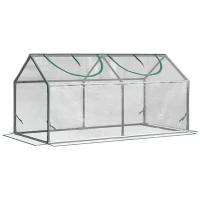
As a seasoned garden green house supplier, I've witnessed firsthand the transformative impact of a CO2 generator on plant growth within a controlled environment. In this blog, I'll guide you through the process of installing a CO2 generator in your garden greenhouse, sharing insights and tips along the way.
Understanding the Importance of CO2 in a Greenhouse
Before delving into the installation process, it's crucial to understand why CO2 is essential for plants in a greenhouse. Carbon dioxide is a key component in photosynthesis, the process by which plants convert light energy into chemical energy to fuel their growth. In a closed environment like a greenhouse, the natural supply of CO2 can quickly become depleted as plants consume it during photosynthesis. By supplementing the CO2 levels, you can significantly enhance plant growth, increase yields, and improve the overall health of your crops.
Choosing the Right CO2 Generator
The first step in installing a CO2 generator is selecting the right one for your greenhouse. There are several types of CO2 generators available on the market, each with its own advantages and disadvantages. The most common types include:
- Propane or Natural Gas Generators: These generators burn propane or natural gas to produce CO2. They are relatively inexpensive to operate and can provide a large amount of CO2 quickly. However, they require a constant supply of fuel and produce heat and water vapor as byproducts, which can affect the temperature and humidity levels in your greenhouse.
- Electric CO2 Generators: These generators use electricity to produce CO2 through a process called electrolysis. They are more expensive to purchase than propane or natural gas generators but are more energy-efficient and produce less heat and water vapor. They are also easier to install and maintain.
- CO2 Tanks: These are pre-filled tanks of compressed CO2. They are a convenient option for small greenhouses or for those who don't want to deal with the hassle of burning fuel. However, they need to be refilled regularly, which can be costly.
When choosing a CO2 generator, consider the size of your greenhouse, the type of plants you're growing, and your budget. It's also important to choose a generator that is certified by a reputable organization such as Underwriters Laboratories (UL) or the Canadian Standards Association (CSA).
Pre-Installation Preparation
Once you've chosen the right CO2 generator for your greenhouse, it's time to prepare for the installation. Here are some steps you should take:
- Read the Manufacturer's Instructions: Before you start the installation process, carefully read the manufacturer's instructions that came with your CO2 generator. This will ensure that you understand how to install and operate the generator safely and correctly.
- Choose a Suitable Location: The location of your CO2 generator is crucial for its effectiveness and safety. Choose a location that is well-ventilated, away from flammable materials, and easily accessible for maintenance. It's also important to ensure that the generator is installed on a level surface to prevent it from tipping over.
- Install a CO2 Monitor: A CO2 monitor is essential for ensuring that the CO2 levels in your greenhouse are within the optimal range for plant growth. Install a CO2 monitor near the center of your greenhouse at plant height. This will allow you to accurately measure the CO2 levels and adjust the generator accordingly.
- Check the Electrical and Gas Connections: If you're using an electric CO2 generator, make sure that the electrical connections are properly installed and grounded. If you're using a propane or natural gas generator, make sure that the gas connections are leak-free and that the generator is properly ventilated.
Installation Process
Now that you've prepared for the installation, it's time to start installing the CO2 generator. Here are the general steps for installing a CO2 generator:


- Mount the Generator: If your CO2 generator comes with a mounting bracket, mount it on the wall or ceiling of your greenhouse according to the manufacturer's instructions. Make sure that the generator is securely fastened and level.
- Connect the Fuel Supply: If you're using a propane or natural gas generator, connect the fuel supply line to the generator according to the manufacturer's instructions. Make sure that the connections are tight and leak-free.
- Connect the Electrical Supply: If you're using an electric CO2 generator, connect the electrical supply cord to a grounded electrical outlet. Make sure that the outlet is rated for the amperage of the generator.
- Install the CO2 Distribution System: A CO2 distribution system is essential for ensuring that the CO2 is evenly distributed throughout your greenhouse. There are several types of CO2 distribution systems available, including fans, ducts, and diffusers. Choose a distribution system that is suitable for the size and layout of your greenhouse.
- Test the Generator: Once you've installed the CO2 generator and the distribution system, it's time to test the generator. Turn on the generator and let it run for a few minutes. Check the CO2 levels using the CO2 monitor to ensure that they are within the optimal range for plant growth.
Post-Installation Maintenance
After you've installed the CO2 generator, it's important to perform regular maintenance to ensure that it continues to operate safely and effectively. Here are some maintenance tips:
- Clean the Generator: Regularly clean the generator according to the manufacturer's instructions. This will help to prevent the buildup of dirt and debris, which can affect the performance of the generator.
- Check the Fuel Supply: If you're using a propane or natural gas generator, regularly check the fuel supply to ensure that it is not running low. Replace the fuel tank or refill the gas line as needed.
- Inspect the Electrical and Gas Connections: Regularly inspect the electrical and gas connections to ensure that they are tight and leak-free. If you notice any signs of damage or wear, replace the connections immediately.
- Calibrate the CO2 Monitor: Regularly calibrate the CO2 monitor according to the manufacturer's instructions. This will ensure that the monitor is accurately measuring the CO2 levels in your greenhouse.
Conclusion
Installing a CO2 generator in your garden greenhouse is a great way to enhance plant growth, increase yields, and improve the overall health of your crops. By following the steps outlined in this blog, you can install a CO2 generator safely and effectively. If you have any questions or need further assistance, please don't hesitate to contact us. We're a leading supplier of Garden Green House, Sturdy Green House, and Walk In Pe Greenhouse and would be happy to help you with your greenhouse needs. Whether you're a hobbyist gardener or a commercial grower, we have the products and expertise to help you succeed. Contact us today to discuss your requirements and start your journey towards a more productive and successful greenhouse.
References
- "Greenhouse Carbon Dioxide Enrichment." University of Minnesota Extension.
- "CO2 Generators for Greenhouses." Oklahoma State University Extension.
- "How to Install a CO2 Generator in Your Greenhouse." Gardening Know How.