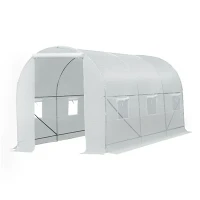
Tunnel greenhouses are a fantastic way to grow plants in a controlled environment. As a supplier of tunnel greenhouses, I've seen firsthand how proper ventilation can make a huge difference in the success of your greenhouse. In this blog post, I'll share some tips on how to ventilate a tunnel greenhouse effectively.
Why is Ventilation Important?
Before we dive into the specifics of ventilation, let's talk about why it's so important. Ventilation helps to control the temperature, humidity, and air quality inside the greenhouse. This is crucial for the health and growth of your plants.
If the greenhouse gets too hot, your plants can become stressed, wilt, or even die. High humidity can lead to the growth of mold and mildew, which can damage your plants. And poor air quality can limit the amount of carbon dioxide available for photosynthesis, slowing down plant growth.
Types of Ventilation
There are several types of ventilation systems you can use in a tunnel greenhouse. The most common ones are natural ventilation, mechanical ventilation, and a combination of both.
Natural Ventilation
Natural ventilation relies on the movement of air through openings in the greenhouse, such as vents and doors. This is the most cost - effective way to ventilate a greenhouse. You can open the vents at the top (ridge vents) and the sides of the tunnel to create a cross - breeze. As warm air rises, it exits through the ridge vents, while cooler air enters through the side vents.
One of the benefits of natural ventilation is that it doesn't require any electricity. However, it depends on the weather conditions. On calm days, natural ventilation may not be sufficient to keep the greenhouse at the right temperature and humidity.
Mechanical Ventilation
Mechanical ventilation uses fans to move air in and out of the greenhouse. You can have exhaust fans installed at one end of the tunnel and intake vents at the other end. The fans work to pull hot, humid air out of the greenhouse, while fresh air is drawn in through the intake vents.
There are different types of fans you can choose from, such as circulation fans, which help to distribute air evenly inside the greenhouse, and exhaust fans, which are used to remove stale air. Mechanical ventilation is more reliable than natural ventilation, especially in areas with inconsistent weather.
Combined Ventilation
A combination of natural and mechanical ventilation is often the best approach. You can use natural ventilation on days when the weather is favorable, and turn on the mechanical fans when it gets too hot or humid. This way, you can save on energy costs while still ensuring good ventilation for your plants.
Ventilation Placement
The placement of your ventilation openings and fans is crucial for effective ventilation.


Ridge Vents
Ridge vents are located at the top of the tunnel greenhouse. They are essential for allowing warm air to escape. The size and number of ridge vents depend on the size of your greenhouse. As a general rule, you should aim to have ridge vents that cover at least 10 - 15% of the greenhouse's roof area.
Side Vents
Side vents are placed along the sides of the tunnel. They let in fresh air and work in conjunction with the ridge vents to create a cross - breeze. Side vents should be placed at a height that allows for good air circulation. You can open them partially or fully depending on the weather conditions.
Fan Placement
If you're using mechanical fans, make sure they are placed correctly. Exhaust fans should be installed at one end of the greenhouse, preferably at the highest point. Intake vents should be on the opposite end, at a lower height. This creates a horizontal air flow that helps to remove hot air and bring in fresh air.
Factors to Consider
When ventilating a tunnel greenhouse, there are several factors you need to take into account.
Plant Needs
Different plants have different temperature and humidity requirements. For example, tropical plants may need a warmer and more humid environment, while succulents prefer drier and cooler conditions. Make sure your ventilation system can be adjusted to meet the needs of the plants you're growing.
Greenhouse Size
The size of your tunnel greenhouse will determine the amount of ventilation you need. Larger greenhouses require more ventilation openings and more powerful fans. You can use online calculators or consult with a greenhouse expert to figure out the right ventilation capacity for your greenhouse.
Location
The location of your greenhouse also plays a role in ventilation. Greenhouses in hot and humid climates will need more aggressive ventilation than those in cooler regions. Also, consider the prevailing wind direction in your area. You can position your greenhouse and its vents to take advantage of natural wind flow.
Our Tunnel Greenhouse Offerings
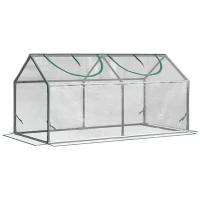
As a tunnel greenhouse supplier, we offer a variety of options to meet your needs. Check out our Insulated Greenhouse, which provides better temperature control, especially in colder climates. If you're looking for a more budget - friendly option, our Low Tunnel Greenhouse is a great choice. And for those who need to walk easily inside the greenhouse, our Walk In Tunnel Greenhouse offers convenience and functionality.
Contact Us for Purchase
If you're interested in purchasing a tunnel greenhouse or need more information on ventilation systems, we're here to help. Whether you're a small - scale gardener or a large - scale farmer, we can provide you with the right greenhouse solution. Just reach out to us and we'll start the conversation about your specific needs.
References
- "Greenhouse Gardening: A Complete Guide" by John Smith
- "The Science of Greenhouse Ventilation" by Jane Doe