When it comes to managing a large greenhouse, one of the most crucial decisions you'll make is choosing the right greenhouse film. As a large greenhouse supplier, I've witnessed firsthand the impact that the correct film can have on plant growth, energy efficiency, and overall greenhouse performance. In this blog post, I'll share some key considerations to help you select the perfect greenhouse film for your large - scale operation.
Understanding the Basics of Greenhouse Films
Greenhouse films are essentially large sheets of plastic that are used to cover the structure of a greenhouse. They serve multiple purposes, including providing a barrier against the elements, controlling temperature and humidity, and allowing sunlight to penetrate for photosynthesis. There are several types of greenhouse films available on the market, each with its own set of characteristics.
Polyethylene Films
Polyethylene is the most commonly used material for greenhouse films. It is cost - effective and comes in different forms, such as low - density polyethylene (LDPE), linear low - density polyethylene (LLDPE), and high - density polyethylene (HDPE). LDPE films are flexible and have good light transmission but may not be as durable as other types. LLDPE films offer better strength and tear resistance, making them suitable for large greenhouses that may be exposed to harsh weather conditions. HDPE films are the most rigid, providing excellent UV resistance and long - term performance.
Polyvinyl Chloride (PVC) Films
PVC films are known for their high clarity and excellent heat retention properties. They can keep the greenhouse warmer during the colder months, which is beneficial for growing heat - loving plants. However, PVC films are generally more expensive than polyethylene films and may require special handling due to their chemical composition.
Ethylene - Vinyl Acetate (EVA) Films
EVA films combine the best features of polyethylene and PVC films. They have good light transmission, high flexibility, and excellent heat retention. EVA films also have a longer lifespan compared to some polyethylene films, making them a popular choice for large - scale greenhouse operations.
Key Factors to Consider When Choosing a Greenhouse Film
Light Transmission
Light is the most important factor for plant growth in a greenhouse. Different plants have different light requirements, so it's essential to choose a film that provides the right amount and quality of light. On average, a good greenhouse film should transmit between 80 - 90% of visible light. Some films are also designed to selectively filter certain wavelengths of light, such as infrared or ultraviolet, to optimize plant growth. For example, some plants may benefit from reduced infrared light, which can help control temperature within the greenhouse.
Durability
Durability is a major concern, especially for large greenhouses. The film needs to withstand strong winds, heavy snow, hail, and the constant exposure to sunlight. Look for films with high - quality UV inhibitors, which can prevent the film from becoming brittle and cracking over time. The thickness of the film also plays a role in its durability. Thicker films generally last longer, but they may also be more expensive. A film with a thickness of at least 6 mils (0.006 inches) is recommended for large greenhouses.
Heat Retention
Maintaining the right temperature inside the greenhouse is crucial for plant health. Films with good heat retention properties can reduce energy costs by minimizing heat loss during the night. PVC and EVA films are particularly good at retaining heat. You can also look for films with infrared - absorbing additives, which can help trap heat inside the greenhouse.
Anti - Condensation
Condensation inside the greenhouse can lead to the growth of mold and mildew, which can damage plants. An anti - condensation film can prevent water droplets from forming on the inside surface of the film. These films are treated with a special coating that causes the water to spread out into a thin sheet and run down the sides of the greenhouse, rather than dripping onto the plants.


Cost
Cost is always a factor when making a purchasing decision. While it may be tempting to choose the cheapest film available, it's important to consider the long - term costs. A high - quality, durable film may have a higher upfront cost but can save you money in the long run by reducing the need for frequent replacements.
Customizing the Film for Your Greenhouse
As a large greenhouse supplier, I understand that every greenhouse is unique, and the film needs to be customized to meet specific requirements.
Size and Shape
Large greenhouses come in various sizes and shapes. Make sure to measure your greenhouse accurately before purchasing a film. Some suppliers offer custom - cut films, which can ensure a perfect fit for your greenhouse.
Horticultural Requirements
If you're growing specific types of plants, you may need a film that meets their unique needs. For example, some plants may require a film with a higher level of light diffusion to prevent sunburn. Others may need a film with a specific UV filtering property to protect against excessive radiation.
The Role of High Tunnel Greenhouses
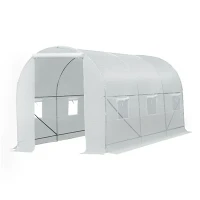
High Tunnel Greenhouse are a popular type of large greenhouse. They are typically made of a metal frame covered with greenhouse film. High tunnels offer a cost - effective way to extend the growing season and protect plants from the elements. When choosing a film for a high tunnel greenhouse, the same considerations apply, such as light transmission, durability, heat retention, and anti - condensation. However, high tunnels are often more exposed to the elements than traditional greenhouses, so a more durable film is usually recommended.
Installation and Maintenance of the Greenhouse Film
Proper installation and maintenance of the greenhouse film are essential for its performance and longevity.
Installation
The film should be installed tightly to prevent flapping in the wind, which can cause wear and tear. Make sure to use the right type of clips and fasteners to secure the film to the greenhouse frame. It's also important to follow the manufacturer's installation instructions carefully.
Maintenance
Regular maintenance of the greenhouse film can extend its lifespan. Clean the film periodically to remove dirt, dust, and debris, which can reduce light transmission. Inspect the film regularly for signs of damage, such as tears or holes, and repair them promptly.
Conclusion
Choosing the right greenhouse film for a large greenhouse is a complex but important decision. By considering factors such as light transmission, durability, heat retention, anti - condensation, and cost, you can select a film that meets the specific needs of your greenhouse and your plants. As a large greenhouse supplier, I'm here to help you make the best choice. Whether you're operating a High Tunnel Greenhouse or a traditional large - scale greenhouse, I can provide you with the information and products you need.
If you're interested in learning more about our greenhouse films or have questions about choosing the right film for your large greenhouse, please feel free to contact us for a consultation. We're ready to assist you and guide you through the purchasing process to ensure that you get the most out of your greenhouse investment.
References
- "Greenhouse Technology and Management" by Bart N. W. Hendriks
- "The Complete Guide to Greenhouse Gardening" by Brian Barth