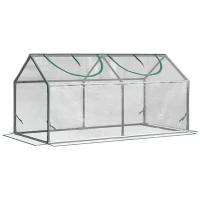
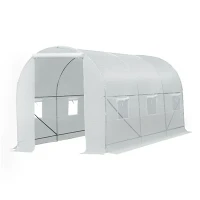
As a supplier of Metal Frame Greenhouse, I've witnessed firsthand the intricate relationship between metal components and humidity control within greenhouses. Greenhouses are designed to create a controlled environment for plants, and humidity is a crucial factor that can significantly impact plant growth, health, and overall productivity. In this blog, we'll explore the impact of metal on humidity control in a greenhouse, delving into the science behind it and discussing practical implications for greenhouse owners and operators.
Understanding Humidity in a Greenhouse
Before we dive into the role of metal, let's first understand the basics of humidity in a greenhouse. Humidity refers to the amount of water vapor present in the air. In a greenhouse, humidity levels can fluctuate due to various factors, including plant transpiration, evaporation from soil and water surfaces, ventilation, and the external climate. Maintaining optimal humidity levels is essential for plant growth, as it affects processes such as photosynthesis, respiration, and nutrient uptake.
High humidity can create a favorable environment for the growth of fungi, bacteria, and pests, leading to diseases such as powdery mildew, botrytis, and aphid infestations. On the other hand, low humidity can cause plants to lose water through transpiration faster than they can absorb it, resulting in wilting, stunted growth, and reduced yields. Therefore, achieving and maintaining the right balance of humidity is crucial for the success of a greenhouse operation.
The Role of Metal in Humidity Control
Metal is a commonly used material in greenhouse construction, particularly for frames and structural components. It offers several advantages, including strength, durability, and resistance to corrosion. However, metal can also have a significant impact on humidity control within a greenhouse.
Thermal Conductivity
One of the key properties of metal is its high thermal conductivity. This means that metal can transfer heat more efficiently than other materials, such as wood or plastic. In a greenhouse, this can have both positive and negative effects on humidity control.
During the day, when the sun heats up the greenhouse, metal frames can absorb and transfer heat to the surrounding air and plants. This can help to increase the temperature inside the greenhouse, which in turn can lead to an increase in evaporation and transpiration rates. As a result, humidity levels can rise. However, if the greenhouse is well-ventilated, the excess heat and moisture can be removed, preventing humidity from reaching excessive levels.
At night, when the temperature drops, metal frames can lose heat quickly, causing the air inside the greenhouse to cool down. This can lead to condensation on the metal surfaces, as the water vapor in the air condenses into liquid water. If not properly managed, this condensation can drip onto the plants, increasing the risk of disease. To prevent this, it's important to ensure that the greenhouse has adequate insulation and ventilation to maintain a stable temperature and humidity level.
Surface Area
Another factor that can affect humidity control in a greenhouse is the surface area of the metal components. Metal frames and structures typically have a large surface area, which can provide a significant amount of surface for condensation to occur. When the air inside the greenhouse cools down, water vapor can condense on the metal surfaces, forming droplets. If these droplets are not removed, they can drip onto the plants, increasing the risk of disease.


To minimize the risk of condensation, it's important to ensure that the metal components are properly insulated and that the greenhouse has adequate ventilation. Insulation can help to reduce the temperature difference between the inside and outside of the greenhouse, preventing condensation from forming on the metal surfaces. Ventilation can help to remove excess moisture from the air, reducing the risk of condensation and maintaining a healthy humidity level.
Corrosion
Metal is susceptible to corrosion, particularly in a humid environment. Corrosion can weaken the metal components, reducing their strength and durability. In addition, corrosion can also release metal ions into the air and water, which can have a negative impact on plant health.
To prevent corrosion, it's important to choose high-quality metal materials that are resistant to corrosion, such as galvanized steel or aluminum. In addition, it's important to ensure that the metal components are properly coated and maintained to prevent rust and corrosion from occurring. Regular inspections and maintenance can help to identify and address any corrosion issues before they become serious.
Practical Implications for Greenhouse Owners and Operators
As a greenhouse owner or operator, it's important to understand the impact of metal on humidity control and take steps to manage it effectively. Here are some practical tips to help you maintain optimal humidity levels in your greenhouse:
Choose the Right Metal Materials
When selecting metal materials for your greenhouse, it's important to choose high-quality materials that are resistant to corrosion and have a low thermal conductivity. Galvanized steel and aluminum are two popular choices for greenhouse frames and structures, as they are strong, durable, and resistant to corrosion.
Insulate the Metal Components
Insulating the metal components of your greenhouse can help to reduce the temperature difference between the inside and outside of the greenhouse, preventing condensation from forming on the metal surfaces. You can use insulation materials such as foam board, fiberglass, or reflective insulation to insulate the metal frames and structures.
Provide Adequate Ventilation
Ventilation is essential for maintaining a healthy humidity level in your greenhouse. You can use natural ventilation, such as vents and windows, or mechanical ventilation, such as fans and exhaust systems, to remove excess moisture from the air. It's important to ensure that the ventilation system is properly sized and installed to provide adequate airflow throughout the greenhouse.
Monitor and Control Humidity Levels
Regularly monitoring and controlling humidity levels in your greenhouse is essential for maintaining optimal plant growth and health. You can use a hygrometer to measure the humidity level inside the greenhouse and adjust the ventilation, heating, and cooling systems as needed to maintain the desired humidity level.
Use a Dehumidifier
If you're struggling to maintain a healthy humidity level in your greenhouse, you may want to consider using a dehumidifier. A dehumidifier can help to remove excess moisture from the air, reducing the risk of condensation and maintaining a healthy humidity level.
Conclusion
In conclusion, metal can have a significant impact on humidity control in a greenhouse. Its high thermal conductivity, large surface area, and susceptibility to corrosion can all affect the humidity level inside the greenhouse. However, by choosing the right metal materials, insulating the metal components, providing adequate ventilation, monitoring and controlling humidity levels, and using a dehumidifier if necessary, you can effectively manage humidity in your greenhouse and create a healthy environment for your plants.
If you're interested in learning more about Metal Frame Greenhouse, Wall Leaning Greenhouse, or 4ft Lean To Greenhouse, or if you have any questions or need assistance with your greenhouse project, please don't hesitate to contact us. We're here to help you create the perfect greenhouse for your needs.
References
- Jones, H. G. (2013). Plants and Microclimate: A Quantitative Approach to Environmental Plant Physiology. Cambridge University Press.
- Taiz, L., & Zeiger, E. (2010). Plant Physiology. Sinauer Associates.
- Wheeler, R. M. (2016). Controlled Environment Agriculture: An Introduction to the Science and Technology of Growing Plants in Greenhouses and Plant Growth Chambers. CRC Press.