An insulated greenhouse is a remarkable innovation in the world of horticulture, offering a controlled environment for plant growth regardless of external weather conditions. As a supplier of insulated greenhouses, I've witnessed firsthand the transformative impact these structures can have on gardening and commercial farming. In this blog, I'll delve into the science behind how an insulated greenhouse works and explore its benefits.
The Basic Principle of a Greenhouse
At its core, a greenhouse operates on the principle of the greenhouse effect. Sunlight, which consists of a spectrum of electromagnetic radiation, passes through the transparent or translucent covering of the greenhouse. This covering can be made of materials such as glass, polycarbonate, or polyethylene. Once inside the greenhouse, the sunlight is absorbed by the plants, soil, and other objects. These objects then re - radiate the energy as infrared radiation, which has a longer wavelength than visible light.
The greenhouse covering is designed in such a way that it allows visible light to enter but traps the infrared radiation inside. This trapped heat causes the temperature inside the greenhouse to rise, creating a warmer environment than the outside. This is similar to how a car heats up when left in the sun with its windows closed.
Insulation in a Greenhouse
Insulation is a crucial aspect of an efficient greenhouse. It helps to maintain a stable internal temperature by reducing heat transfer between the inside and outside of the greenhouse. There are several ways to insulate a greenhouse:
Insulating Materials
- Double - Walled Panels: Many modern insulated greenhouses use double - walled polycarbonate panels. These panels have an air gap between the two layers, which acts as an insulator. Air is a poor conductor of heat, so the air gap reduces the amount of heat that can escape through the walls of the greenhouse.
- Insulating Blankets: Some greenhouses are equipped with insulating blankets that can be rolled down at night or during cold weather. These blankets are typically made of materials like fiberglass or bubble wrap and provide an additional layer of insulation.
Air Sealing
Proper air sealing is essential for effective insulation. Gaps and cracks in the greenhouse structure can allow warm air to escape and cold air to enter. Sealing around doors, windows, and ventilation openings with weatherstripping and caulking can significantly improve the insulation of the greenhouse.

Temperature Control in an Insulated Greenhouse
Maintaining the right temperature is crucial for the health and growth of plants in a greenhouse. An insulated greenhouse provides a good foundation for temperature control, but additional systems may be required:
Heating Systems
- Gas Heaters: Gas heaters are a popular choice for large - scale greenhouses. They can quickly raise the temperature inside the greenhouse and are relatively cost - effective to operate.
- Electric Heaters: Electric heaters are often used in smaller greenhouses or as supplementary heating. They are easy to install and control, but can be more expensive to operate in the long run.
Ventilation Systems
Ventilation is necessary to prevent the greenhouse from becoming too hot. When the temperature inside the greenhouse rises above the desired level, vents can be opened to allow hot air to escape and fresh air to enter. Some greenhouses are equipped with automated ventilation systems that can be set to open and close based on the temperature.

Humidity and Air Circulation
In addition to temperature control, humidity and air circulation are also important factors in a greenhouse.
Humidity Control
Plants require a certain level of humidity to thrive. An insulated greenhouse can help to maintain a more stable humidity level compared to an uninsulated one. However, in some cases, additional humidity control may be necessary. For example, a misting system can be used to increase humidity, while dehumidifiers can be used to reduce it.
Air Circulation
Proper air circulation is essential for distributing heat, humidity, and carbon dioxide evenly throughout the greenhouse. Fans can be installed to create air movement. This helps to prevent the formation of stagnant air pockets, which can lead to the development of mold and other plant diseases.
Benefits of an Insulated Greenhouse
The use of an insulated greenhouse offers numerous benefits:
Extended Growing Season
With an insulated greenhouse, you can start planting earlier in the spring and continue growing later into the fall or even throughout the winter. This allows for a longer growing season and can result in higher yields. For example, you can grow Backyard Greenhouse for Winter and enjoy fresh produce all year round.
Protection from Extreme Weather
An insulated greenhouse provides protection from harsh weather conditions such as strong winds, heavy rain, snow, and extreme temperatures. This protects your plants from damage and ensures a more consistent growing environment.
Energy Efficiency
The insulation in a greenhouse reduces the amount of energy required to heat or cool the structure. This not only saves on energy costs but also makes the greenhouse more environmentally friendly.
Pest and Disease Control
The enclosed environment of a greenhouse can help to keep pests and diseases at bay. It is easier to control the entry of insects and other pests, and the stable environment can reduce the likelihood of disease outbreaks.
Different Types of Insulated Greenhouses
There are several types of insulated greenhouses available, each with its own advantages:
Low Tunnel Greenhouse
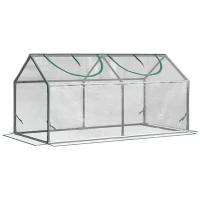
A Low Tunnel Greenhouse is a simple and cost - effective option. It consists of a low - lying frame covered with a plastic film. Low tunnel greenhouses are easy to install and can provide some insulation and protection for plants. They are often used for early season crops or for protecting young plants. You can also explore Low Tunnel Greenhouse from our factory for high - quality options.
Traditional Glass Greenhouses
Glass greenhouses are known for their durability and aesthetic appeal. They allow a large amount of sunlight to enter the greenhouse and provide good insulation. However, they can be more expensive to build and maintain compared to other types of greenhouses.
Polycarbonate Greenhouses
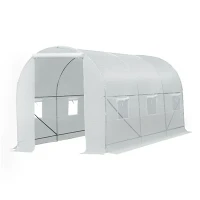
Polycarbonate greenhouses are becoming increasingly popular due to their excellent insulation properties, light transmission, and durability. They are lighter than glass and more resistant to impact, making them a good choice for areas with harsh weather conditions.
Conclusion
In conclusion, an insulated greenhouse is a valuable investment for anyone interested in gardening or commercial farming. By understanding how it works and the benefits it offers, you can make an informed decision about which type of greenhouse is right for you. Whether you're looking to extend your growing season, protect your plants from extreme weather, or improve energy efficiency, an insulated greenhouse can meet your needs.
If you're interested in purchasing an insulated greenhouse, I encourage you to contact us for a detailed discussion. We can help you choose the right type of greenhouse based on your specific requirements and budget. Our team of experts is ready to assist you throughout the process, from design to installation. Let's work together to create the perfect growing environment for your plants.
References
- Bot, G. P. A., & Suhai, I. (2012). Greenhouse Climate Control: An Introduction. Springer Science & Business Media.
- Resh, H. M. (2013). Hydroponic Food Production: A Definitive Guidebook of soilless food - growing methods. CRC Press.