

Hey there! As a balcony greenhouse supplier, I often get asked if it's possible to grow celery in a balcony greenhouse. Well, let me tell you, it absolutely is! In this blog, I'm gonna break down everything you need to know about growing celery in your very own balcony greenhouse.
Why a Balcony Greenhouse?
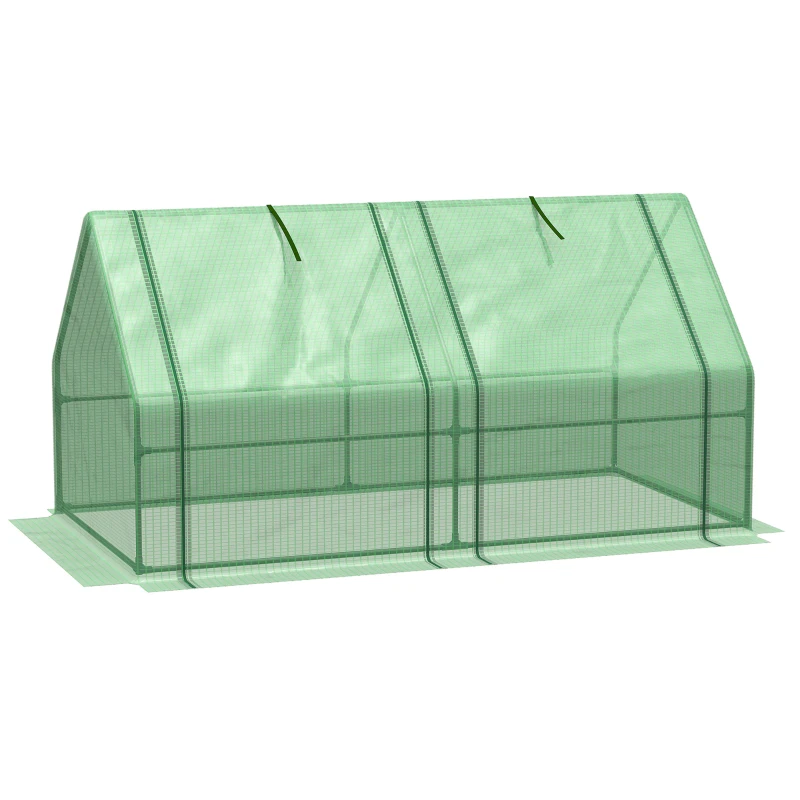
First off, you might be wondering why a balcony greenhouse is a great option. It's simple. A balcony greenhouse provides a controlled environment for your plants. You can protect them from harsh weather conditions like heavy rain, strong winds, or extreme cold. Plus, it extends the growing season, allowing you to grow fresh produce even when it's not the ideal time outdoors.
If you're living in an apartment, an Apartment Balcony Greenhouse is a perfect solution. It doesn't take up much space and can turn your small balcony into a mini garden. And if you're more into growing vegetables indoors, our Indoor Greenhouse for Vegetable and Indoor Greenhouse For Vegetable options are top - notch.
Celery Basics
Celery is a cool - season vegetable that loves a bit of shade and consistent moisture. It's a bit finicky to grow, but with the right conditions, you can have a bountiful harvest. Celery is rich in vitamins and minerals, and it's a great addition to your diet. It can be used in salads, soups, and stir - fries.
Getting Started with Celery in Your Balcony Greenhouse
1. Choosing the Right Variety
There are different varieties of celery, such as Pascal celery, which is the most common one found in grocery stores. There's also leaf celery, which is more aromatic and easier to grow. For a balcony greenhouse, leaf celery might be a better choice as it's more compact.

2. Seeds or Seedlings?
You can start celery from seeds or buy seedlings. Starting from seeds gives you more variety options, but it takes longer. Seeds need to be sown indoors about 10 - 12 weeks before the last frost. You can use a seed - starting tray filled with a good quality seed - starting mix. Keep the soil moist and at a temperature of around 70°F (21°C).
If you're short on time, buying seedlings from a nursery is a great option. Just make sure to acclimate them to the balcony greenhouse environment gradually.
3. Soil Requirements
Celery likes rich, well - draining soil. You can use a potting mix that's high in organic matter. You can also add compost or well - rotted manure to improve the soil fertility. The pH of the soil should be between 6.0 and 7.0.
4. Planting
If you're using seedlings, plant them about 6 - 8 inches apart in rows. Make sure to plant them at the same depth as they were in the nursery pot. If you're starting from seeds, once they've germinated and have a few true leaves, thin them out so that they're spaced properly.
Caring for Your Celery
1. Watering
Celery needs consistent moisture. The soil should never dry out completely. You can water it regularly, but make sure not to over - water as this can lead to root rot. A good way to water is to use a soaker hose or a drip irrigation system. This ensures that the water goes directly to the roots.
2. Fertilizing
Celery is a heavy feeder. You can fertilize it every few weeks with a balanced fertilizer. Organic fertilizers like fish emulsion or compost tea are great options. Just follow the instructions on the fertilizer package.
3. Temperature and Light
Celery grows best in cool temperatures, between 60°F and 70°F (15°C - 21°C). In a balcony greenhouse, you can control the temperature to some extent. If it gets too hot, you can open the vents or use a shade cloth. Celery also needs about 6 - 8 hours of sunlight per day. If your balcony doesn't get enough natural light, you can use grow lights.
4. Pest and Disease Control
Common pests that affect celery include aphids, slugs, and snails. You can use natural pest control methods like neem oil or insecticidal soap to get rid of aphids. For slugs and snails, you can set up beer traps or use copper tape around the pots.
Diseases like celery blight and root rot can be prevented by providing good air circulation and not over - watering.
Harvesting Celery
Celery is usually ready to harvest about 85 - 120 days after planting, depending on the variety. You can start harvesting the outer stalks when they're about 6 - 8 inches long. Use a sharp knife to cut the stalks at the base. Leave the inner stalks to continue growing.
The Benefits of Growing Celery in a Balcony Greenhouse
1. Fresh and Healthy Produce
You'll have access to fresh, pesticide - free celery right at your fingertips. Eating fresh vegetables is great for your health.
2. Cost - Effective
Buying celery from the grocery store can add up over time. Growing your own can save you money in the long run.
3. Fun and Rewarding
There's something really satisfying about growing your own food. It's a great hobby that can reduce stress and connect you with nature.
Wrapping Up and Connecting
If you're excited about growing celery or other vegetables in your balcony greenhouse, we've got you covered. Our range of balcony greenhouses are designed to meet your needs, whether you're a beginner or an experienced gardener.
We're always here to answer your questions and provide support. If you're interested in purchasing a balcony greenhouse, feel free to reach out to us for a detailed consultation. We can discuss your requirements and help you choose the perfect greenhouse for your balcony. Let's turn your balcony into a green oasis and start growing delicious celery today!
References
- University of California Agriculture and Natural Resources. "Celery Growing Guide."
- Rodale's Vegetable Garden Problem Solver.
- Gardening Know How. "Growing Celery in Containers."


