In the realm of modern agriculture, high tunnel greenhouses have emerged as a game - changer, offering a unique blend of protection and productivity. As a supplier of high tunnel greenhouses, I've witnessed firsthand the growing interest in the produce that these structures can yield. This blog post aims to explore the market demand for produce from high tunnel greenhouses, shedding light on the factors driving this demand and the opportunities it presents for farmers and consumers alike.


The Basics of High Tunnel Greenhouses
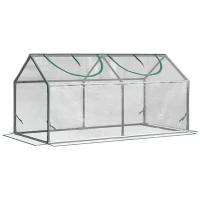
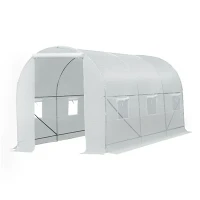
Before delving into the market demand, it's essential to understand what high tunnel greenhouses are. A High Tunnel Greenhouse is a simple, unheated structure covered with a single or double layer of plastic. It provides a semi - controlled environment that extends the growing season, protects crops from harsh weather conditions such as frost, heavy rain, and strong winds, and can enhance the overall quality and quantity of produce.
These structures are cost - effective compared to traditional greenhouses, making them an attractive option for small - to - medium - scale farmers. They are relatively easy to install and maintain, allowing farmers to quickly adapt to changing market demands and growing conditions.
Factors Driving the Market Demand for High Tunnel Produce
1. Extended Growing Season
One of the primary advantages of high tunnel greenhouses is their ability to extend the growing season. In regions with short growing seasons, high tunnels allow farmers to start planting earlier in the spring and continue harvesting later into the fall. This means that consumers can enjoy fresh, locally - grown produce for a more extended period.
For example, in northern climates, high tunnel tomatoes can be harvested weeks before open - field tomatoes are ready. This early availability of fresh produce creates a niche market, as consumers are often willing to pay a premium for locally - sourced, out - of - season fruits and vegetables. The demand for such produce is further fueled by the increasing interest in eating fresh, seasonal foods and reducing the carbon footprint associated with transporting food over long distances.
2. Improved Quality and Yield
High tunnel greenhouses provide a more stable growing environment, which can lead to improved quality and higher yields. The controlled microclimate inside the tunnel helps to regulate temperature, humidity, and light, reducing the stress on plants and minimizing the risk of diseases and pests.
For instance, leafy greens grown in high tunnels tend to be more tender and have a longer shelf life compared to those grown in the open field. The consistent growing conditions also allow for more uniform growth, resulting in produce that is more visually appealing. Higher yields mean that farmers can supply more produce to the market, meeting the growing demand for fresh, healthy food.
3. Organic and Sustainable Production
There is a growing consumer preference for organic and sustainably - produced food. High tunnel greenhouses are well - suited for organic farming practices. The enclosed environment reduces the need for chemical pesticides and fertilizers, as it provides a natural barrier against many pests and diseases.
Farmers can use integrated pest management techniques and natural fertilizers to grow healthy, organic produce. This aligns with the values of environmentally - conscious consumers who are willing to pay more for food that is produced in an eco - friendly manner. Additionally, high tunnels can conserve water by reducing evaporation, making them a more sustainable option for agriculture.
4. Diversification of Crops
High tunnel greenhouses offer farmers the opportunity to diversify their crop selection. They can grow a wider range of crops, including specialty and heirloom varieties that may not be suitable for open - field cultivation in their region.
For example, farmers can grow exotic herbs, salad greens, and unique varieties of tomatoes and peppers in high tunnels. This diversification allows farmers to tap into niche markets and cater to the changing tastes of consumers. The availability of a diverse range of produce also attracts more customers to local farmers' markets and grocery stores, increasing the overall demand for high tunnel - grown products.
Market Segments for High Tunnel Produce
1. Local Farmers' Markets
Farmers' markets are a significant outlet for high tunnel produce. Consumers who visit farmers' markets are often looking for fresh, locally - grown food and are willing to support local farmers. High tunnel produce, with its extended season and improved quality, is highly sought after at these markets.
Farmers can build relationships with their customers, educate them about the benefits of high tunnel - grown produce, and receive immediate feedback. This direct - to - consumer sales model allows farmers to command higher prices and retain a larger share of the profit.
2. Restaurants and Food Service Providers
Restaurants, cafes, and other food service providers are increasingly interested in sourcing local, high - quality produce. High tunnel greenhouses enable farmers to supply fresh ingredients throughout the year, which is a major advantage for chefs who want to create seasonal menus and offer their customers the best - tasting food.
Many restaurants are also committed to sustainability and supporting local agriculture, making high tunnel - grown produce an ideal choice. By partnering with local farmers, food service providers can differentiate themselves in the market and attract environmentally - conscious customers.
3. Grocery Stores
Grocery stores are another important market segment for high tunnel produce. As consumers become more health - conscious and demand fresh, locally - sourced food, grocery stores are looking to expand their offerings of high - quality produce.
High tunnel - grown products can fill the gap between the end of the open - field growing season and the start of the next one. Grocery stores can also promote high tunnel produce as a sustainable and fresh alternative to imported fruits and vegetables, appealing to the growing number of consumers who are concerned about food safety and the environmental impact of their purchases.
Challenges and Opportunities for High Tunnel Farmers
Challenges
While the market demand for high tunnel produce is growing, there are still some challenges that farmers face. One of the main challenges is the initial investment required to set up a high tunnel greenhouse. Although high tunnels are more cost - effective than traditional greenhouses, they still require a significant upfront investment for materials, installation, and equipment.
Another challenge is the management of the high tunnel environment. Maintaining the right temperature, humidity, and ventilation can be complex, especially during extreme weather conditions. Farmers also need to be knowledgeable about pest and disease management in the enclosed environment to ensure the health of their crops.
Opportunities
Despite these challenges, there are numerous opportunities for high tunnel farmers. The growing market demand for high - quality, locally - grown produce provides a stable customer base. Farmers can also benefit from government incentives and grants that support sustainable agriculture and the use of high tunnel greenhouses.
Moreover, as the technology and knowledge about high tunnel farming continue to evolve, farmers can expect to see further improvements in productivity and efficiency. For example, the development of more advanced climate control systems and automated irrigation can reduce the labor and management requirements of high tunnel farming.
Conclusion
The market demand for produce from high tunnel greenhouses is on the rise, driven by factors such as extended growing seasons, improved quality and yield, organic and sustainable production, and crop diversification. High tunnel greenhouses offer a cost - effective and sustainable solution for farmers to meet the growing consumer demand for fresh, locally - sourced food.
As a supplier of High Tunnel Greenhouses, I am excited to see the positive impact that these structures are having on the agricultural industry. If you are a farmer interested in exploring the potential of high tunnel greenhouses or looking to expand your existing operation, I encourage you to reach out. We can discuss your specific needs and help you find the right high tunnel solution for your farm. Whether you are a small - scale organic farmer or a large - scale commercial grower, high tunnel greenhouses can provide you with a competitive edge in the market.
References
- "High Tunnels: A Tool for Organic Vegetable Production." USDA National Agricultural Library.
- "The Economics of High Tunnel Production." University of Vermont Extension.
- "Consumer Preferences for Locally Grown and Organic Produce." Journal of Sustainable Food Systems.