


What is Indoor Greenhouse for Vegetable
An indoor greenhouse for vegetable can hold humidity in the space that envelops plants. This is important to growing food and overwintering tender plants inside during the cold months because desert natives are one of the only types of plants that remain happy and thriving in such an arid environment.
Benefits of Indoor Greenhouse for Vegetable
Consistent temperature and humidity
Day and night temperatures might vary widely depending on your geographic location. Frequent exposure to freezing or sweltering conditions can cause a variety of problems for plants grown outside. They may not be able to thrive in the long term as opposed to greenhouse plants. In addition, plant life requires an appropriate level of humidity.
However, it's unusual for outdoor circumstances to reliably provide the ideal quantities of moisture for your plants. Humidity management in indoor greenhouse for vegetable can help you maintain a healthy environment for your plants by regulating the amount of moisture in the air.
Weather protection
There are times when Mother Nature has a mind of her own, and not even the most accurate weather predictions can keep up. Even if you have a strategy in place to protect your plants from harm, it's possible that you won't have time to implement it if something unforeseen happens.
If you keep your plants in a indoor greenhouse for vegetable, they will be safe from any harsh conditions outside. Your plants won't die in harsh weather if you keep them in a large, enclosed structure.
Safer environment for plants
Growing plants inside a greenhouse are often safer than doing it outdoors since you have complete control over the climate. You won't have to worry about protecting your plants, so you can put your time and energy towards reaping the benefits of your efforts with ease.
Plants grown outside of a greenhouse are limited to a small window of time each year, but this is not an issue with a well-designed greenhouse. There is no limit to the number of plants you may cultivate, provided that your greenhouse can support their growth.
You can plant more varieties
You can do more with your gardening experiments after you learn the range of conditions that your greenhouse can maintain. For instance, if you have a greenhouse, you might be able to cultivate a plant that doesn't thrive in your area but does in one that's more suitable for it.
One has only to learn what circumstances are optimal for the growth and flourishing of the plants one wishes to cultivate, whether they are edible, fruitful, or purely ornamental.
Disease prevention
The regulated environment in your indoor greenhouse for vegetable should also safeguard your plants from pests and diseases.
The plants won't be vulnerable to pests like insects and rodents while you're away. Disease-causing bacteria and fungi are less likely to infect plants if they have more room to spread out.
Longer growing season
Growing in a indoor greenhouse for vegetable allows for a longer growing season, which is one of the key benefits of doing so. As the sun's rays are absorbed by the greenhouse's walls, temperatures inside remain relatively stable. There are ways to lengthen the growing season even in chilly regions.
Related Products

Balcony Mini Greenhouse is a great way to bring the joy of gardening to apartment life. This compact and practical greenhouse can be placed on balconies or terraces, allowing urban residents to grow their own agricultural products and flowers even in the smallest space.

Apartment Balcony Greenhouse is a great way to bring the joy of gardening to apartment life. This compact and practical greenhouse can be placed on balconies or terraces, allowing urban residents to grow their own agricultural products and flowers even in the smallest space.

Mini Greenhouse for Winter Indoor
Mini Greenhouse For Winter Indoor is a great way to bring the joy of gardening to apartment life. This compact and practical greenhouse can be placed on balconies or terraces, allowing urban residents to grow their own agricultural products and flowers even in the smallest space.

Indoor Greenhouse for Vegetable
Indoor Greenhouse For Vegetable is a great way to bring the joy of gardening to apartment life. This compact and practical greenhouse can be placed on balconies or terraces, allowing urban residents to grow their own agricultural products and flowers even in the smallest space.

Indoor Plant Greenhouse is a great way to bring the joy of gardening to apartment life. This compact and practical greenhouse can be placed on balconies or terraces, allowing urban residents to grow their own agricultural products and flowers even in the smallest space.

Balcony Greenhouse For Winter is a great way to bring the joy of gardening to apartment life. This compact and practical greenhouse can be placed on balconies or terraces, allowing urban residents to grow their own agricultural products and flowers even in the smallest space.
Why Choose us
Quality Assurance
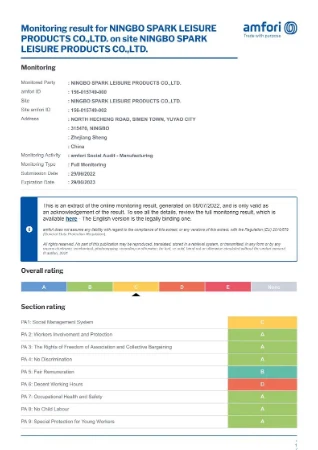
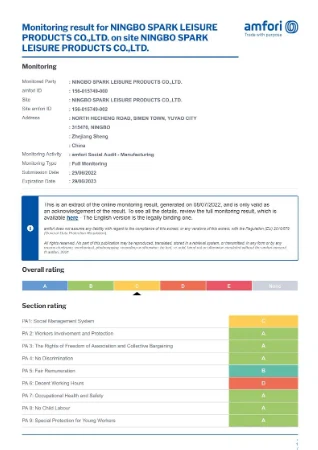
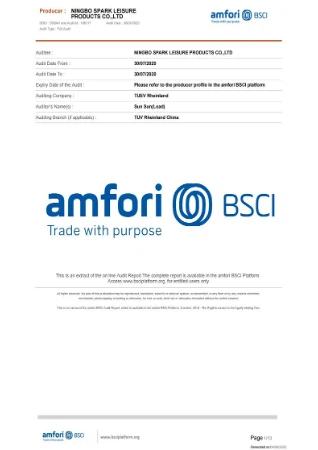
We have obtained BSCI certificates. Selling well in all cities and provinces around China, our products are also exported to clients in such countries and regions as America. We also welcome Europe and Australia orders.
Experience and expertise
Dedicated to strict quality control and thoughtful customer service, our experienced staff members are always available to discuss your requirements and ensure full customer satisfaction.
Quality Services
Whether selecting a current product from our catalog or seeking engineering assistance for your application, you can talk to our customer service center about your sourcing requirements.
Indoor Greenhouse For Vegetable Types By Structure
Freestanding indoor greenhouse for vegetable
Freestanding greenhouses are standalone structures that you can place anywhere on your property. They come in various shapes and sizes, from small hobby greenhouses to large commercial structures. Freestanding greenhouses are a popular choice for those looking to grow different plants and have the space to accommodate them.
Attached indoor greenhouse for vegetable
Attached indoor greenhouse for vegetable are built onto an existing structure, such as a house or garage. They're best for gardeners with limited space on their property but still want to enjoy the benefits of a greenhouse. You can design them to match your home's style and architecture, making them a seamless addition to your property. An example of this is the lean-to greenhouse.
Cold-frame greenhouses
Cold-frame greenhouses are great for gardeners who want to extend their growing season without breaking the bank. These simple structures are typically made from wood or pvc and covered with a clear plastic or glass lid. They're designed to trap heat and protect plants from frost, making them ideal for starting seedlings or growing cool-weather crops.
Gothic arch greenhouses
Gothic arch greenhouses have a unique shape, allowing maximum sunlight exposure and efficient use of space. The curved design of the greenhouse provides excellent structural support, making it suitable for those living in areas with heavy snow loads or strong winds.
A-frame greenhouses
A-frame greenhouses have a distinctive triangular shape, providing excellent ventilation and natural light. They are a popular choice for gardeners who want to grow plants that require a lot of sunlight, such as tomatoes and peppers. A-frame greenhouses are also easy to build, and you can construct them using a number of materials.
Hoop houses
Hoop houses are simple, low-cost structures ideal for greenhouse gardening beginners. They are constructed using pvc piping or metal hoops and covered with a layer of plastic. Hoop houses are easy to assemble and disassemble, making them a great option if you plan on moving your greenhouse from one location to another.
Considerations For Indoor Greenhouse For Vegetable Selection
Climate compatibility
Different indoor greenhouse for vegetables are designed to accommodate different climates. For example, if you live in an area with harsh winters, you may need a indoor greenhouse for vegetable with a sturdy frame and good insulation to withstand heavy snow loads and keep your plants warm. On the other hand, if you live in a hot and sunny climate, you may need a indoor greenhouse for vegetable with good ventilation and shading to prevent your plants from overheating.
Durability and maintenance
Indoor greenhouse for vegetables made from high-quality materials such as aluminum, polycarbonate, or tempered glass tend to be more durable and require less maintenance than those made from cheaper materials like plastic or pvc. Additionally, a indoor greenhouse for vegetable with good ventilation and drainage can help prevent moisture buildup and reduce the risk of mold and mildew growth.
Size and scalability
The size of your indoor greenhouse for vegetable will depend on the available space and the number of plants you want to grow. A small indoor greenhouse for vegetable kit may be sufficient if you're just starting out. However, if you plan to expand your operation in the future, you may want to invest in a larger, more scalable indoor greenhouse for vegetable. Remember that larger indoor greenhouse for vegetables may require more resources to maintain, such as heating and cooling systems, so factor these costs into your decision.
Cost implications
While a high-end indoor greenhouse for vegetable made from premium materials may be more expensive upfront, it may save you money in the long run by requiring less maintenance and lasting longer. On the other hand, a cheaper indoor greenhouse for vegetable made from low-quality materials may require more maintenance and need to be replaced more frequently, ultimately costing you more in the long run. Consider your budget and the long-term cost implications of your decision when selecting a indoor greenhouse for vegetable.
Material of Indoor Greenhouse for Vegetable
Wooden greenhouses offer a more traditional and rustic appearance. They provide good insulation, and you can customize them to fit specific design preferences. However, wood requires regular maintenance to prevent rotting and deterioration.
Aluminum is lightweight, durable, and corrosion-resistant; therefore, it's excellent for greenhouse framing. Aluminum greenhouses are often covered with glass or polycarbonate panels and are relatively low-maintenance.
Pvc (polyvinyl chloride) pipes are often used to create the framework for greenhouse structures. These greenhouses are lightweight, affordable, and easy to assemble. Pvc greenhouses are usually covered with plastic film or polycarbonate panels.
Glass greenhouses are the traditional choice for many gardeners. They offer excellent light transmission and durability and are easy to clean. Glass also provides better insulation than other materials, making it ideal for regions with extreme temperatures.
However, glass is heavy and fragile, making it more challenging to install and transport. It's also more expensive than other materials, so it's less accessible if you're on a tight budget.
Polycarbonate greenhouses are a popular alternative to glass. They're lightweight, shatterproof, and offer excellent insulation. Polycarbonate also provides better uv protection than glass, making it ideal for regions with intense sunlight.
However, polycarbonate is less transparent than glass, which can reduce light transmission. It's also more prone to scratches and discoloration, which can affect its appearance over time.
Plastic film greenhouses are the most affordable option for those on a tight budget. They're easy to install and lightweight, making them ideal for temporary or seasonal use. Plastic film also offers excellent light transmission, making it suitable for growing plants.
However, plastic film is less durable than other materials and more prone to tearing and punctures. It also provides less insulation than glass or polycarbonate, making it less suitable for regions with extreme temperatures.
Polyethylene tunnel greenhouses are popular for commercial growers and hobbyists. These structures are made from a series of hoops or arches covered in a single layer of polyethylene plastic. You can easily assemble and customize them to fit various growing needs. Polyethylene tunnel greenhouses are ideal for growing crops that require a lot of space, like tomatoes, cucumbers, and peppers.
Our Factory
Solayis established in 2010, is a professional engaged in the research, development, sale and service of gazebos,outdoor tents and green houses. Our company is located in ningbo zhejiang province with convenient transportation access.
In addition, we have obtained BSCI certificates. Selling well in all cities and provinces around China, our products are also exported to clients in such countries and regions as America. We also welcome Europe and Australia orders. We have many partners for ten years in a row, with the best quality service.We have also participated in many exhibitions, such as The Cologne Outdoor Leisure Fair and The China Import and Export Fair. The excellent quality of our products has earned us many compliments from our customers. We look forward to meeting more customers.

Our certificates

Asked Questions
Hot Tags: indoor greenhouse for vegetable, indoor greenhouse for vegetable manufacturers, suppliers, factory, balcony greenhouse for limited areas, balcony greenhouse for cabbages, green house for balcony, small size balcony greenhouse, balcony greenhouse for collards, balcony greenhouse for marjoram


