


What is Traditional Greenhouse
The Traditional Greenhouse boasts a timeless design and style that is reminiscent of the English countryside. This greenhouse is ideal for a backyard growing space, or as a sunroom for your family to enjoy for years to come.
Benefits of Traditional Greenhouse
Extended growing season: One of the primary advantages of a traditional greenhouse is the extension of the growing season. By providing a sheltered and controlled environment, traditional greenhouses enable farmers and gardeners to start planting earlier in the spring and continue growing well into the fall. This extended timeframe allows for multiple harvests in a single year, boosting overall productivity.
Temperature control: Traditional greenhouses provide a regulated climate, protecting plants from extreme temperatures. The structure acts as a buffer, preventing sudden temperature fluctuations that can be detrimental to plant growth. This controlled environment is particularly beneficial for delicate or temperature-sensitive crops, allowing them to thrive in conditions optimized for their development.
Protection from adverse weather conditions: Unpredictable weather conditions, such as heavy rain, hail, or strong winds, can wreak havoc on crops. Traditional greenhouses act as a shield against these adversities, providing a protective barrier that safeguards plants from the damaging effects of severe weather. This protection results in healthier plants and reduces the risk of crop loss.
Pest and disease management: Traditional greenhouses offer a level of isolation that helps in managing pests and diseases more effectively. The enclosed environment makes it easier to monitor and control the presence of harmful insects and pathogens. This reduces the reliance on pesticides and other chemical interventions, promoting a more sustainable and eco-friendly approach to agriculture.
Optimal water usage: Water is a precious resource, and traditional greenhouses contribute to its efficient utilization. The controlled environment within a traditional greenhouse minimizes water wastage by preventing evaporation and runoff. Additionally, modern traditional greenhouse systems often include water-efficient irrigation methods, ensuring that plants receive the necessary moisture without unnecessary water consumption.
Increased crop yield: The combination of controlled conditions, extended growing seasons, and protection from external threats results in significantly increased crop yields. Traditional greenhouses create an environment where plants can reach their full potential, producing more fruits, vegetables, or flowers per square foot compared to traditional open-field cultivation.
Versatility in crop selection: Traditional greenhouses provide the flexibility to cultivate a wide variety of crops that may not be well-suited to the local climate. This versatility allows growers to experiment with different plant species and varieties, expanding the range of products that can be cultivated in a specific region.
Sustainable agriculture: In the era of increasing environmental awareness, traditional greenhouses play a crucial role in promoting sustainable agriculture. The controlled environment reduces the need for excessive chemical inputs, conserves water, and minimizes the environmental impact of agriculture. Additionally, the ability to grow crops closer to urban centers reduces the carbon footprint associated with transportation.
Research and development: Traditional greenhouses serve as invaluable tools for research and development in agriculture. Scientists and researchers can create controlled experiments to study plant behavior, test new cultivation techniques, and develop more resilient and productive crop varieties. This aspect contributes to the continual improvement and innovation in the field of agriculture.
Economic benefits: From a financial perspective, traditional greenhouses offer several economic advantages. The increased crop yield and the ability to grow high-value crops contribute to higher profits for farmers. Additionally, the extended growing season allows for a more consistent and reliable income throughout the year, reducing the financial risks associated with seasonal variations.
Related Products
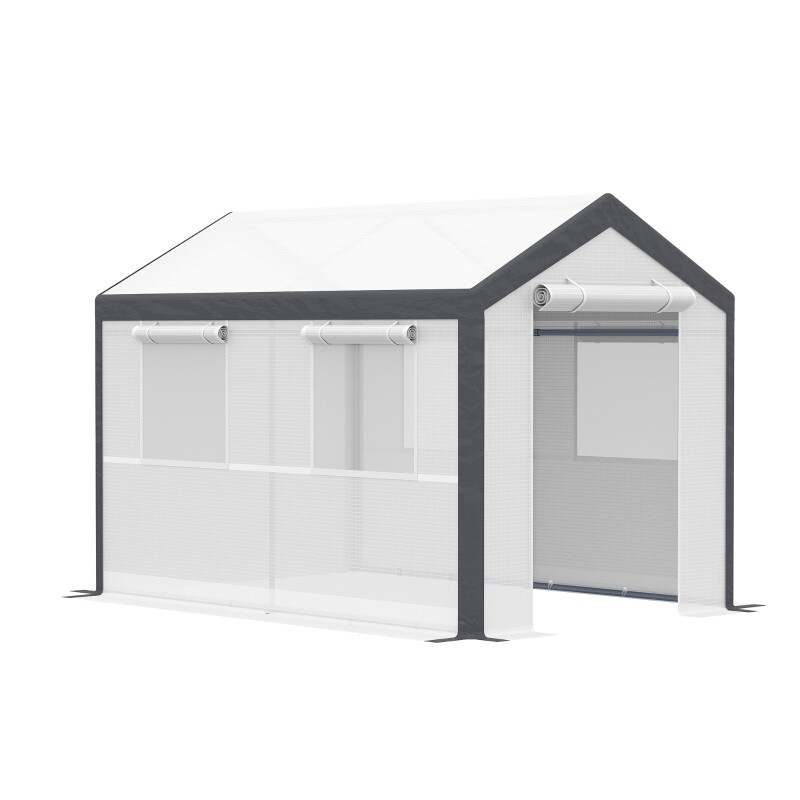
A walk-in tunnel greenhouse, also known as a greenhouse or high tunnel, is a greenhouse designed to maximize plant growth by providing a controlled growth environment for plants. This type of greenhouse consists of a series of rings covered in a durable plastic sheet.
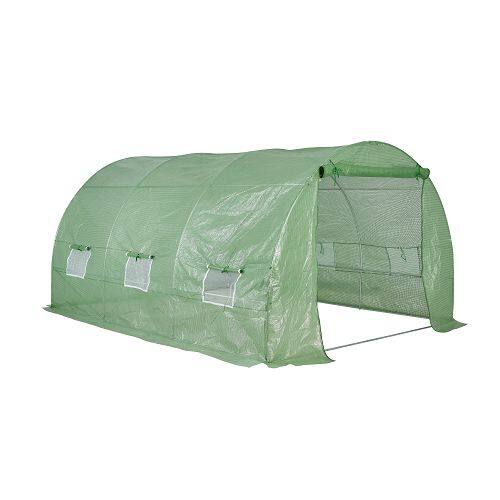
Low Tunnel Greenhouse, also known as a greenhouse or high tunnel, is a greenhouse designed to maximize plant growth by providing a controlled growth environment for plants. This type of greenhouse consists of a series of rings covered in a durable plastic sheet.
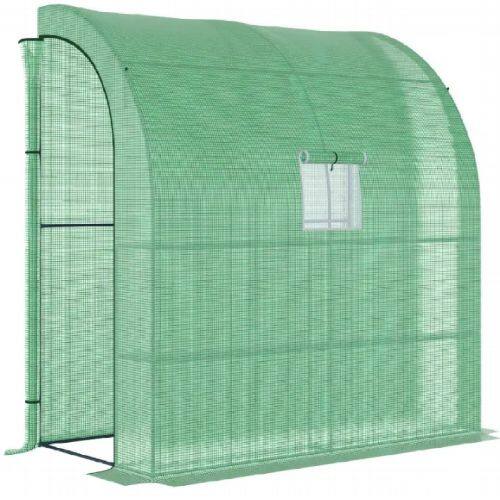
4ft Lean To Greenhouse is a simple and practical way to plant and cultivate gardens without requiring a lot of outdoor space. It is a structure attached to an existing building or structure, such as a house or garage, with a sloping roof designed to maximize exposure to sunlight.
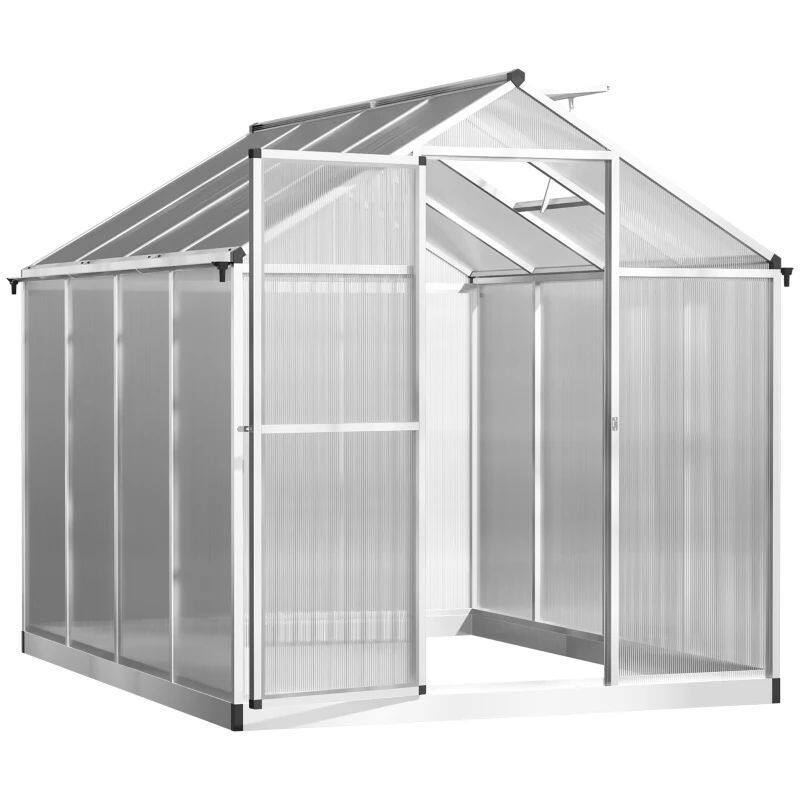
8mm Polycarbonate Greenhouse are structures designed for agricultural and horticultural purposes, typically used for growing plants and vegetables. It is made of polycarbonate board, durable and lightweight, making it easy to transport in greenhouses. One of the main advantages of polycarbonate greenhouses is that the materials used to manufacture them are shatterproof, unlike glass greenhouses, which are more prone to breakage and may be dangerous.
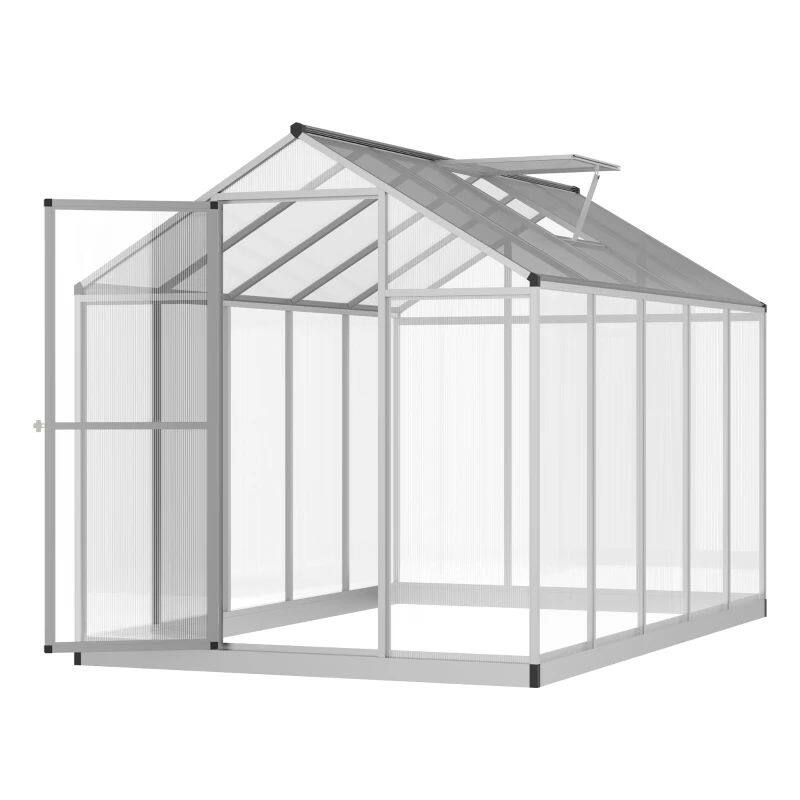
Polycarbonate Apex Greenhouse are structures designed for agricultural and horticultural purposes, typically used for growing plants and vegetables. It is made of polycarbonate board, durable and lightweight, making it easy to transport in greenhouses. One of the main advantages of polycarbonate greenhouses is that the materials used to manufacture them are shatterproof, unlike glass greenhouses, which are more prone to breakage and may be dangerous.
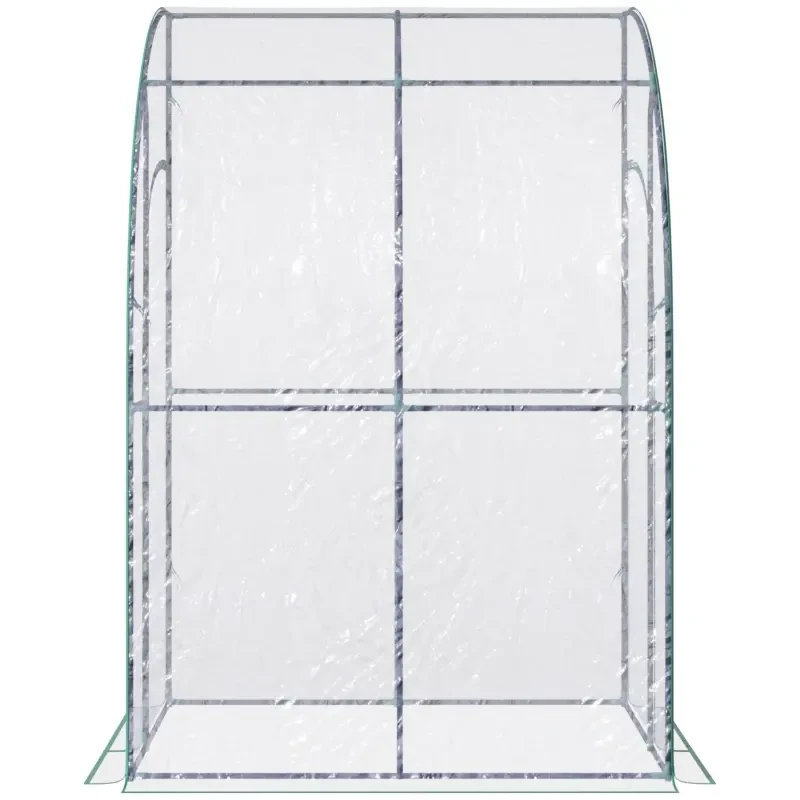
Small Plastic Lean To Greenhouse
Small Plastic Lean To Greenhouse is a simple and practical way to plant and cultivate gardens without requiring a lot of outdoor space. It is a structure attached to an existing building or structure, such as a house or garage, with a sloping roof designed to maximize exposure to sunlight.
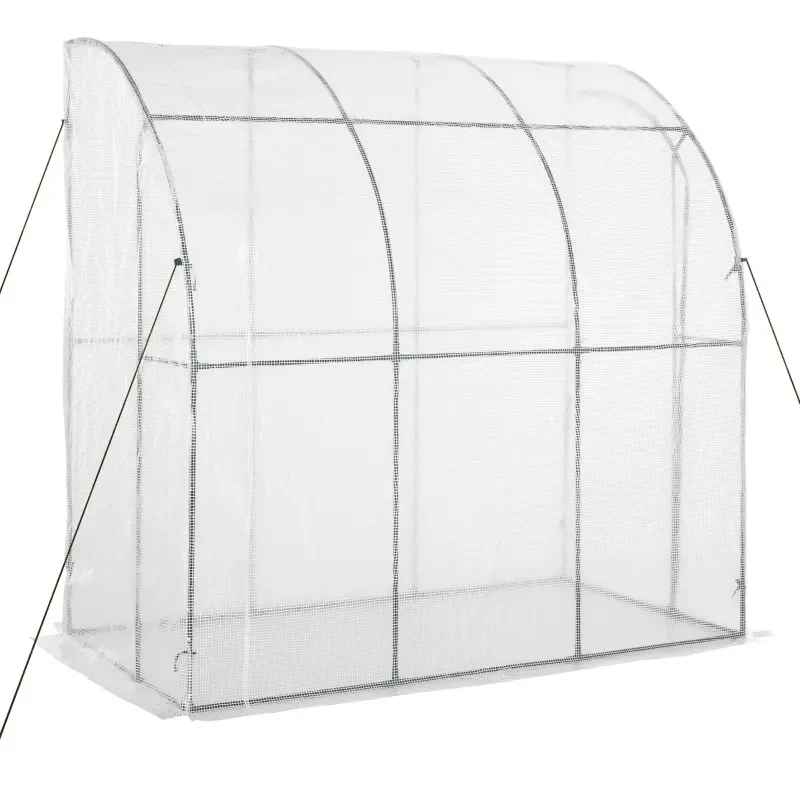
8ft X 4ft Lean To Greenhouse is a simple and practical way to plant and cultivate gardens without requiring a lot of outdoor space. It is a structure attached to an existing building or structure, such as a house or garage, with a sloping roof designed to maximize exposure to sunlight.
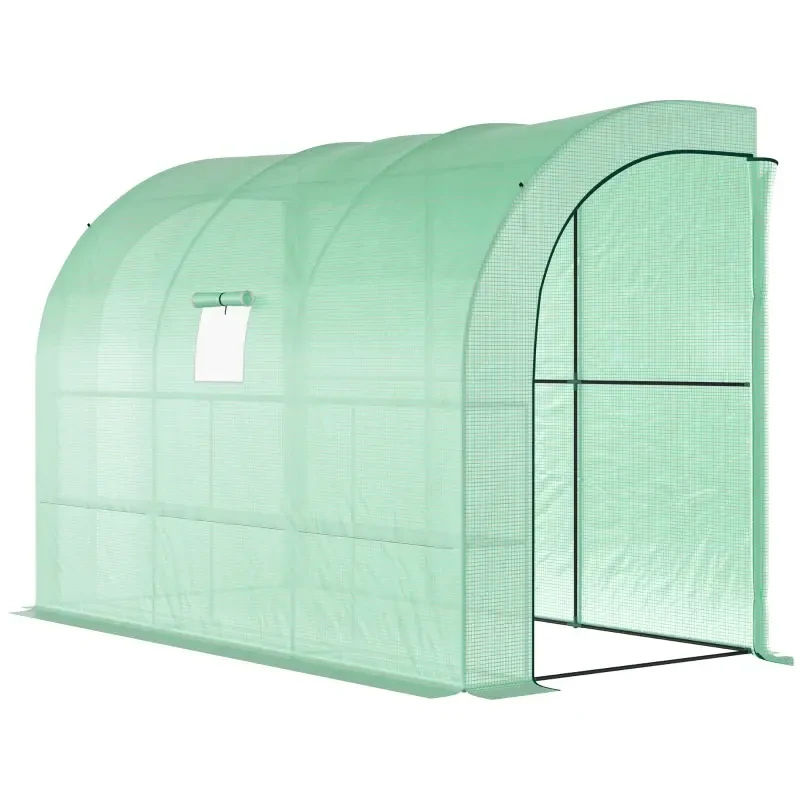
Wall Leaning Greenhouse is a simple and practical way to plant and cultivate gardens without requiring a lot of outdoor space. It is a structure attached to an existing building or structure, such as a house or garage, with a sloping roof designed to maximize exposure to sunlight.
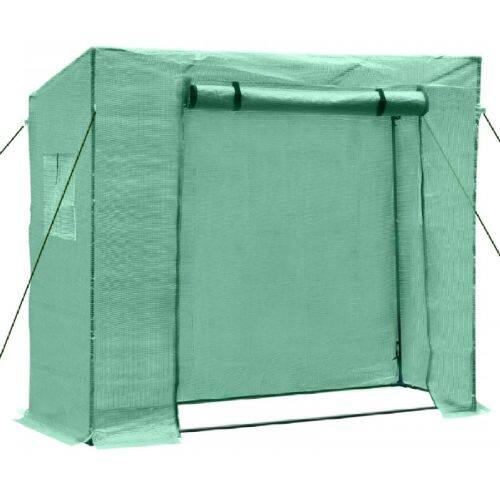
Walk In Garden Green House, also known as polyethylene greenhouse, is a greenhouse that uses a plastic film made of polyethylene material as a covering. This type of greenhouse is popular with farmers and gardeners due to its affordability, durability and versatility of design.
Why Choose us
Quality Assurance
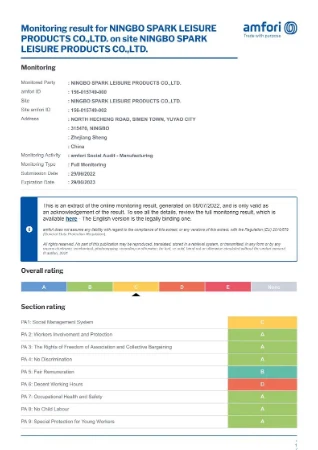
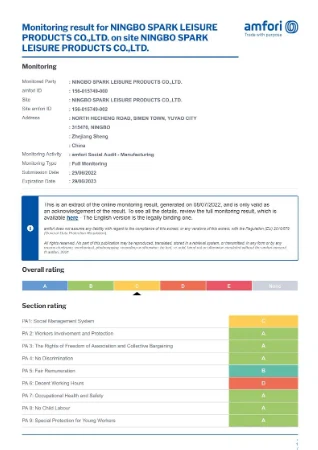
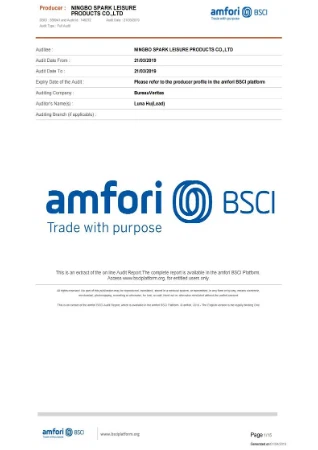
We have obtained BSCI certificates. Selling well in all cities and provinces around China, our products are also exported to clients in such countries and regions as America. We also welcome Europe and Australia orders.
Experience and expertise
Dedicated to strict quality control and thoughtful customer service, our experienced staff members are always available to discuss your requirements and ensure full customer satisfaction.
Quality Services
Whether selecting a current product from our catalog or seeking engineering assistance for your application, you can talk to our customer service center about your sourcing requirements.
Types of Traditional Greenhouse Materials
Plastic piping is the least expensive material, but lacks the rigidity needed for a large structure. Here are a few tips for buying traditional greenhouse plastics.
Wood is a good thermal insulator, important in cold climates.
Metal piping (aluminum or steel) is long-lasting and durable, but it isn't a good insulator. Especially aluminum.
Large traditional greenhouses often have well-insulated glass walls and roofs. But clear polycarbonate, acrylic and fiberglass also work, especially for smaller structures.
Glass is the traditional traditional greenhouse material. It's expensive, difficult to install and can crack. But it insulates well, looks best and transmits light the best. Browse our top picks for glass traditional greenhouses.
Acrylic is also expensive, but it's long-lasting and, unlike glass, can be bent and molded (to a degree) to fit a curved frame.
Polycarbonate is a strong and lightweight material and budget-friendly compared to glass and acrylic. It's available as flexible sheeting and tends to diffuse light rather than transmit it directly.
Fiberglass is the least expensive traditional greenhouse material. It works well in extreme climates and is almost as transparent as glass when it's new. But it tends to turn yellow over time and reduce light transmission.
Gable-style
The traditional gable construction, with straight walls and sloping roofs that create a triangular gable on either end of the structure, works well for a traditional greenhouse. It's the most common design, providing plenty of sun and room to move inside. It's easy to build it works as well for large traditional greenhouses as well as small ones that fit on a porch or veranda.
A-frame
Similar to a gable-style structure and even easier to build, an a-frame has long sloped roofs that extend all the way to the ground. An a-frame maximizes light, but space and airflow are limited underneath the parts of the roof close to the ground. A-frames tend to be better for storage than growing.
Geodesic dome
A geodesic dome is an incredibly strong structure that holds up well in severe weather conditions and looks really cool!
You can make your own frame by mass-producing sticks or rods of the same length and assembling them with connectors in a series of triangles. But most people will purchase a kit that includes everything you need. Even so, assembly is more complicated than other structures.
Gothic arch
A gothic arch is something of a hybrid of gable-style and a-frame. The walls are framed with aluminum or steel poles that curve gracefully to join with a ridge cap and form a pointed roof, reminiscent of a medieval cathedral.
Hoop house
Constructed from a series of semi-circular hoops, the hoop house is an easy-to-construct structure. You attach the ends of the hoops to base plates or stick them into the ground, and they automatically form the supports for the walls and roof.
Hoop structures are ideal for covering long rows, and they provide more room near the walls than in an a-frame structure. They must be covered with something flexible like polycarbonate film, and don't shed snow and water as well as other structures.
Saw tooth
The saw tooth design can be similar to a gable, or it can have an arched roof and sides similar to a hoop house. The roof on one side is higher than the other, creating a space for windows that can be opened to provide extra ventilation.
Uneven span
When building a traditional greenhouse on sloped land, an uneven span is often the most efficient design. It's a variation of the gable design, with one side of the roof - usually south-facing - much longer than the other to maximize light intake.
Lean-to
The lean-to is built onto the wall of an existing structure and slopes away from it, preferably southerly. This simple design is ideal for urban properties with little space. Even though the side facing the building is dark, radiating heat warms the traditional greenhouse, and the building adds stability.
How to Choose the Best Traditional Greenhouse for Your Garden
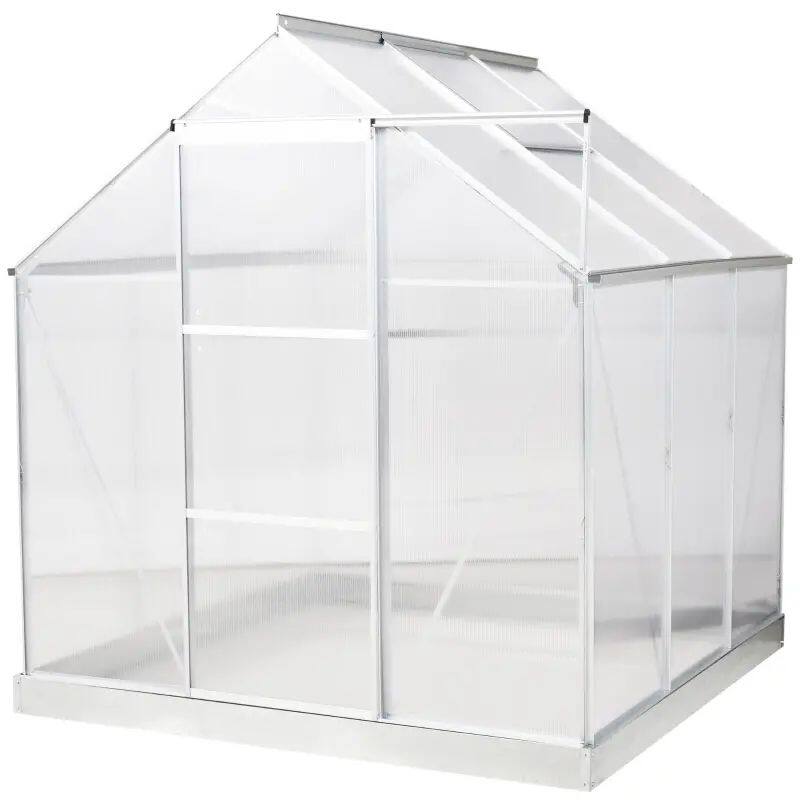
Understanding your needs
Before venturing into the world of traditional greenhouses, take a moment to reflect on what you aim to achieve. Are you looking to merely extend the growing season for a few vegetables, or is your goal to cultivate a wide variety of plants year-round? Additionally, consider the space available in your garden and how much of it you are willing to dedicate to a traditional greenhouse. This preliminary step will help narrow down your choices significantly.
Size matters
The size of the traditional greenhouse is crucial and is largely influenced by two factors: Your ambitions and the space available. Starting small is wise if you are new to traditional greenhouse gardening, but remember that many gardeners quickly outgrow their first traditional greenhouse. On the other hand, a large traditional greenhouse will require more maintenance and heating during cooler months. Measure your available space accurately, keeping in mind you'll need access around the traditional greenhouse for cleaning and maintenance.
Frame material
The frame of your traditional greenhouse can be made from various materials, including aluminium, wood, and plastic. Aluminium frames are durable, require little maintenance, and offer a modern look. Wood frames, such as cedar, are aesthetically pleasing and provide natural insulation but require treatment to prevent rot. Plastic frames are the least expensive option but may not be as durable or robust as aluminium or wood.
Glazing options
Glazing for traditional greenhouses comes in several forms: Glass, polycarbonate, and polyethylene film. Glass is traditional, offers excellent clarity, and lasts for years, but it is heavy and can break easily. Polycarbonate is a popular alternative; it is lightweight, provides good insulation, and is more impact-resistant than glass, though it can degrade over time due to sunlight exposure. Polyethylene film is the most affordable option, perfect for seasonal use, though it will need replacing every few years.
Location, location, location
The location of your traditional greenhouse in your garden is another critical factor. It should receive maximum sunlight, especially during the winter months. A south-facing position is generally best in the northern hemisphere. Avoid placing the traditional greenhouse in the shadow of buildings or trees. Additionally, consider wind exposure and try to situate your traditional greenhouse where it will be somewhat protected from strong winds, which can cause damage and increase heating costs.
Ventilation and heating
Proper ventilation is essential to control the temperature and humidity within a traditional greenhouse. Look for models that include roof vents, side vents, or louvre windows. In cooler climates, you may also need to consider heating options to protect your plants during the winter. Solar heaters, electric heaters or gas heaters can be used, depending on your preference and the utilities available at your site.
Extras to consider
Finally, think about any additional features that may be beneficial. Automatic vent openers, rainwater collection systems, and internal shading are great extras that can make managing your traditional greenhouse easier and more efficient.
Making your choice
Armed with this information, you're now ready to choose the best traditional greenhouse for your garden. Whether it's a compact starter model to dip your toes into traditional greenhouse gardening or a fully-equipped, large-scale structure for year-round cultivation, the right traditional greenhouse can transform your gardening experience.
Our Factory
Solayis established in 2010, is a professional engaged in the research, development, sale and service of gazebos,outdoor tents and green houses. Our company is located in ningbo zhejiang province with convenient transportation access.
In addition, we have obtained BSCI certificates. Selling well in all cities and provinces around China, our products are also exported to clients in such countries and regions as America. We also welcome Europe and Australia orders. We have many partners for ten years in a row, with the best quality service.We have also participated in many exhibitions, such as The Cologne Outdoor Leisure Fair and The China Import and Export Fair. The excellent quality of our products has earned us many compliments from our customers. We look forward to meeting more customers.

Our certificates



Asked Questions
Hot Tags: traditional greenhouse, traditional greenhouse manufacturers, suppliers, factory, buy polycarbonate greenhouse, finance a garden greenhouse, polycarbonate greenhouse for growing chamomile, polycarbonate thickness for greenhouse, polycarbonate greenhouse for growing lettuce, custom polycarbonate greenhouse


