


What is Outdoor Greenhouse for Winter
A outdoor greenhouse for winter is an enclosure with a transparent roof and walls that let sunlight in, allowing gardeners to grow plants inside a controlled environment. Depending on the type of greenhouse, it may be constructed from glass and metal or a plastic material such as polycarbonate sheeting.
Benefits of Outdoor Greenhouse for Winter
Controlled environment
You control your greenhouse. The light that comes, the temperature, the moisture in the air, the soil types, and the plants you have… they are all decided by you who manage the space.
A greenhouse is a safe haven for plants
It reduces the accessibility of insects and animals that have the potential to damage or destroy your plants. This greenhouse environment reduces exposure to extreme weather conditions such as torrential rain and droughts. It is the perfect environment for a wide cross section of plants; from the fragile to the strong.
Healthier plants
Your plants and produce are expected to be healthier since you control the conditions. In doing so, the conditions you decide are best should be based on the individual needs of each plant you have.
When you pair the above with protection from extremes, you facilitate an optimal growing environment for your plants. That's equivalent to a few green thumbs up in our estimation!
Limitless season gardening
A outdoor greenhouse for winter is a controlled environment where you can determine the temperature that is favourable for your plants. Based on that, you will have the power to determine when you can plant, reap and sow respective of the season and the type of produce.
Multipurpose environment
One of the beautiful things of having a outdoor greenhouse for winter is that different soil types are used based on the plants in the space.
Outdoor greenhouse for winter are also multifaceted in that a wide cross section of plant life can live there. You can have fruits, vegetables, ornamentals, herbs and in some cases, spices! Imagine that, your trips to the farmers market can be reduced if you lay the right foundations for your greenhouse.
In addition to managing the various soil types, a greenhouse can be used as a storage facility for your gardening tools and amenities. You can consider it your one stop shop for developing your green thumb.
Related Products

Balcony Cold Frame is a low-cost small gardening tool used to extend the growing season of plants. It is a simple structure composed of a wooden or metal frame and a transparent top, usually made of glass or plastic.

Greenhouse With Cold Frame is a low-cost small gardening tool used to extend the growing season of plants. It is a simple structure composed of a wooden or metal frame and a transparent top, usually made of glass or plastic.

Outdoor Greenhouse For Winter is a low-cost small gardening tool used to extend the growing season of plants. It is a simple structure composed of a wooden or metal frame and a transparent top, usually made of glass or plastic.
Why Choose us
Quality Assurance
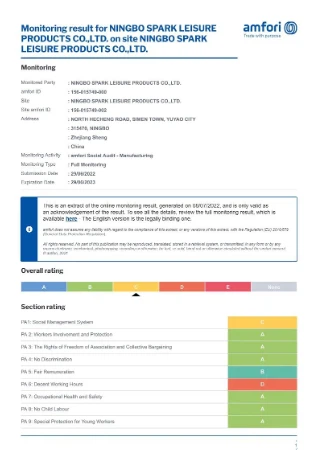
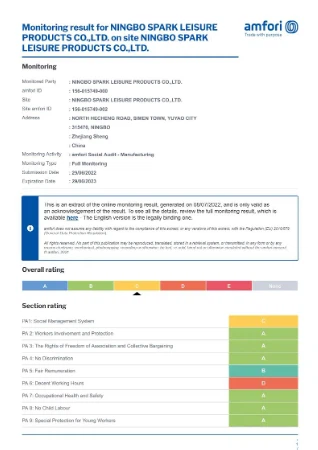
We have obtained BSCI certificates. Selling well in all cities and provinces around China, our products are also exported to clients in such countries and regions as America. We also welcome Europe and Australia orders.
Experience and expertise
Dedicated to strict quality control and thoughtful customer service, our experienced staff members are always available to discuss your requirements and ensure full customer satisfaction.
Quality Services
Whether selecting a current product from our catalog or seeking engineering assistance for your application, you can talk to our customer service center about your sourcing requirements.
Types Of Outdoor Greenhouse For Winter
Temperature - The spectrum of structures based on the environmental temperature needs include the following types:
Cold houses – (temperature: Falls below freezing) provide protection for plants, but temperatures still can get below freezing because this type of greenhouse has no additional heat source installed. The purpose of cold houses is to extend growing season in the spring by allowing starting crops earlier and in the fall by allowing crops to grow longer.
Cool houses – (temperature: 45-50f) this type of greenhouse will maintain temperatures above freezing so that plants that die from extreme cold can survive.
Warm houses – (temperature: 55f) allows for a broader range of plants to survive cold winters.
Hot houses – (temperature: Above 60f) hot outdoor greenhouse for winter are used to maintain tropical plants. In order to heat they require supplemental heat.
Within each of these general types, there are many other considerations. There are very simple outdoor greenhouse for winter and highly complex ones. The more technology that is involved the greater the ability to exactly control the growing conditions, from temperature to water and moisture levels. Outdoor greenhouse for winter can also be constructed simply to minimize direct sunlight (a shade greenhouse) and not have walls, or a screen-only structure to keep out insects.
Design – Outdoor greenhouse for winter can also be evaluated based on the design style. This is the fun part. Some of the traditional types of greenhouse "architecture" include a-frame, dome, gothic (arched), lean-to (can even be designed to use the wall of a home or garage as one side), and quonset.
Materials – For the residential gardener, the choices are almost unlimited. Price will likely drive some of the decision making on this, as will aesthetic considerations and your purpose. All have advantages and disadvantages.
• Support/framework options: Wood (rots easily), aluminum, iron and plastic. Some have curved eaves; others have flat eaves.
• Covering options: Glass (most expensive but lasts longest, also beautiful), fiberglass (can become discolored), plastic (cheap but effective), double-layered polyethylene (must replace every 2-3 years), pvc, acrylic (very expensive).
Environmental control options – Budget will impact what you are able to do in this area. Automatic controls are ideal in a greenhouse, but obviously will be more expensive. Your options for heating equipment include a simple space heater, forced-air heat, radiant heat, steam or hot-water systems, as well as soil heating pipes underneath plants. Planning for ventilation is also essential for the health of your plants.
Let the sunshine in
If the contractor was smart about the site and space planning of the outdoor greenhouse for winter when it was built, then the structure should already be in a location that is free from shading from trees or other buildings. But when the sun's trajectory is lower in the sky, other obstacles could create shadows, so make sure the outdoor greenhouse for winter is getting as much sunlight as possible.
Add thermal mass
One of the easiest and least expensive options for warming outdoor greenhouse for winters in the winter is to create a thermal mass or heat sink. These are objects that absorb heat during the day and release it during the chilly nighttime hours. It will raise the temperature by a degree or two and it can make all the difference.
A popular method of creating a thermal mass is placing containers of water in the outdoor greenhouse for winter. For smaller outdoor greenhouse for winters, capped one-gallon plastic jugs filled three-quarters full of water can be placed throughout the outdoor greenhouse for winter among the plants. The jugs can be painted black or black food coloring can be added to the water to increase heat absorption.
For larger spaces, 55-gallon barrels painted black and filled with water can be placed in areas of direct sun. They will release the absorbed energy over the night as well.
Use a germination mat
If your client is mostly wanting to use their outdoor greenhouse for winter over the winter to get a head start on their spring plants, a germination mat can serve their needs nicely. These mats help decrease production time by maintaining optimal root-zone temperature and increase the growth rates in the early stages of a plant's life cycle.
Cover up
Customers can go as elaborate or as simple as they want when it comes to covering plants during particularly cold nights to provide extra degrees of warmth. Tarps, horticultural fleece, row covers or sheets can all help hold moisture in, but remind clients to keep the covers off the plants themselves and to remember to remove them during the day, as the humidity level can get too high.
Create some compost
For customers who already have a pile of compost, moving it in to the middle of the outdoor greenhouse for winter can be a win-win, as it protects the compost from the elements and is warmer. This allows the process to speed up, while raising the temperature of the outdoor greenhouse for winter as it breaks materials down. The optimal location for the pile is in the center of the outdoor greenhouse for winter, but if this isn't feasible, it can be placed elsewhere and still provide warmth. Also, come springtime the homeowner will have a pile of black gold readily available.
Add insulation
Believe it or not, bubble wrap has another purpose other than protecting fragile packages and providing entertainment for the easily amused. Attaching a layer of bubble wrap to the interior walls of the outdoor greenhouse for winter can reduce heat loss and block winter drafts. Horticultural bubble wrap insulation can be found at garden centers and is uv stabilized and has larger bubbles, but traditional bubble wrap can suffice in a pinch.
Install a heater
Probably the most obvious option when it comes to warming a outdoor greenhouse for winter is simply installing some heaters, but these can be expensive to run and the heat can quickly dissipate when the heater is turned off. There are space heaters designed specifically for outdoor greenhouse for winters, and propane heaters are a good option if your client doesn't want to have to run extension cords to the outdoor greenhouse for winter. It is important to have fans as well to distribute the warm air throughout the space.
Ways To Heat Your Outdoor Greenhouse For Winter During The Winter


Heating your outdoor greenhouse for winter with sunshine
A outdoor greenhouse for winter is designed to allow sunlight in and trap the heat that is produced. During the day when the sun is out, you can rely on the heat produced by the sun to help heat your outdoor greenhouse for winter.
The problem is those daylight hours are shorter in the winter. Plus, you have to think about nighttime. Not only is it colder at night, but the sunlight isn't available to help you heat the outdoor greenhouse for winter. During the night, an unheated outdoor greenhouse for winter will drastically lower in temperature to meet the temperatures of the outdoors. Unless you live in a mild climate, you will need to combine another method of heating your outdoor greenhouse for winter with this one.
Using a compost pile to heat your outdoor greenhouse for winter
Making and using compost can help heat your outdoor greenhouse for winter and is a great way to prevent organic materials from going to waste. Compost is made through the process of decomposing organic material. During this decomposition process, your compost pile generates heat. If you place a compost pile in your outdoor greenhouse for winter, then the heat produced in that compost can help raise the air temperature.
Note: The amount of heat produced depends on the size of your compost pile, the amount of moisture it contains, and the surrounding air temperature.
Using thermal mass objects to heat your outdoor greenhouse for winter
Thermal mass objects have the ability to absorb, store, and radiant heat. They are a great cost-effective way to heat a outdoor greenhouse for winter.
The most common thermal mass object used in outdoor greenhouse for winter heating is water. Drums can be painted black, placed in direct sunlight areas, and filled with water. This water thermal mass method is also known as a heat sink.
We don't use large water drums (yet), but I do fill old plastic milk cartons with water and place them around my plants during the winter. The water in the containers hold heat longer into the night, and the plants nearby benefit from this.
Use small animals to heat your outdoor greenhouse for winter in winter
Small animals like chickens and rabbits have been used for years to help keep outdoor greenhouse for winters warmer during the winter. This method of outdoor greenhouse for winter heating is also known as bio-heating. Chickens and rabbits create body heat and manure that can be composted to warm the air in the outdoor greenhouse for winter. An added bonus is that these animals also produce carbon dioxide which is essential in the growth of plants.
Insulating the walls of your outdoor greenhouse for winter
The winter months can be very cold, so to help keep the heat inside, you can use a layer of "bubble wrap" (bubble polythene) to trap the heat. Bubble polythene is available in sheets that you can attach to the walls of your outdoor greenhouse for winter. This bubble wrap is clear so it allows the sunlight in, traps the heat produced, and keeps drafty air out.
Use the hotbed method to help heat your outdoor greenhouse for winter
The hotbed is when the composting method is used under topsoil in your garden rows or raised beds. Composted materials are left to decompose under about 6 inches of topsoil in the rows where you have planted your plants. The materials will continue to decompose creating heat that will keep the roots warm and warm air that rises.
Insulate your soil to help heat your outdoor greenhouse for winter
Soil is its own thermal mass object, it absorbs heat that is provided by the sun or another outside source. To keep the soil from losing the heat it has absorbed, you can use a mulch to insulate it. Mulch can include straw, grass clippings, wood chips, and dead leaves. This method helps heat and also adds organic materials to your soil.
Cover your plants to help keep in the heat
Like mulching, a cover can help keep the heat from escaping into the air. A cover sheet is usually used because it allows sunlight in and keeps the trapped underneath. Row covers can be used to cover larger areas, but another smaller diy option is milk jugs or clear plastic totes.
Our Factory
Solayis established in 2010, is a professional engaged in the research, development, sale and service of gazebos,outdoor tents and green houses. Our company is located in ningbo zhejiang province with convenient transportation access.
In addition, we have obtained BSCI certificates. Selling well in all cities and provinces around China, our products are also exported to clients in such countries and regions as America. We also welcome Europe and Australia orders. We have many partners for ten years in a row, with the best quality service.We have also participated in many exhibitions, such as The Cologne Outdoor Leisure Fair and The China Import and Export Fair. The excellent quality of our products has earned us many compliments from our customers. We look forward to meeting more customers.

Our certificates




Asked Questions
Hot Tags: outdoor greenhouse for winter, outdoor greenhouse for winter manufacturers, suppliers, factory, walk-in cold frame, nozzle attachment cold frame, advanced cold frame, weather-resistant cold frame, weather resistant cold frame, corrosion-resistant cold frame


