Hey there, fellow garden enthusiasts! As a supplier of balcony cold frames, I get asked a ton of questions about how to make the most of these nifty gardening tools. One of the most common queries I hear is about the ideal pH level of the soil in a balcony cold frame. So, let's dive into this topic and figure out what that perfect soil pH is all about.
First things first, what exactly is soil pH? Well, it's a measure of how acidic or alkaline your soil is. The pH scale runs from 0 to 14, with 7 being neutral. Anything below 7 is acidic, and anything above 7 is alkaline. Different plants have different preferences when it comes to soil pH because it affects how well they can absorb nutrients.
Now, when it comes to a balcony cold frame, the ideal pH level can vary depending on the types of plants you want to grow. But in general, a slightly acidic to neutral pH (around 6.0 to 7.0) is a great starting point for most common balcony vegetables, herbs, and flowers.
Let's take a look at why this range is so good. At a pH between 6.0 and 7.0, the soil has the right balance to make essential nutrients like nitrogen, phosphorus, and potassium readily available to plants. These nutrients are like the building blocks that plants need to grow strong and healthy. For example, nitrogen helps with leafy growth, phosphorus is crucial for root development and flower production, and potassium aids in overall plant vigor and disease resistance.


If your soil is too acidic (pH below 6.0), some nutrients like calcium, magnesium, and phosphorus can become less available to plants. This can lead to problems like stunted growth, yellowing leaves, and poor flower or fruit development. On the other hand, if your soil is too alkaline (pH above 7.0), micronutrients like iron, manganese, and zinc can become less accessible, causing similar nutrient deficiency symptoms.
But how do you figure out the pH of your soil in the balcony cold frame? Well, you can buy a soil pH testing kit at your local garden center or online. These kits are usually pretty easy to use. You just take a sample of your soil, mix it with a solution from the kit, and then compare the color of the mixture to a color chart to get your pH reading.
Once you know your soil pH, you might be wondering how to adjust it if it's not in the ideal range. If your soil is too acidic, you can add lime to raise the pH. Lime is available in different forms, like agricultural lime or dolomitic lime. Just follow the instructions on the package for the right amount to add based on your soil test results and the size of your cold frame.
If your soil is too alkaline, you can add sulfur or peat moss to lower the pH. Sulfur takes a bit longer to work, but it's a great option for long - term pH adjustment. Peat moss is more readily available and can also help improve soil structure while lowering the pH slightly.
Now, I mentioned that different plants have different pH preferences. Let's take a look at some common balcony plants and their ideal soil pH ranges:
- Tomatoes: These popular balcony veggies prefer a soil pH between 6.2 and 6.8. This slightly acidic to neutral range helps them absorb nutrients efficiently and produce lots of juicy tomatoes.
- Herbs like basil and parsley: They do well in a soil pH of around 6.0 to 7.0. This range provides the right conditions for them to develop their characteristic flavors and aromas.
- Roses: If you're growing roses on your balcony, they like a soil pH of about 6.0 to 6.5. This slightly acidic soil helps them with nutrient uptake and keeps their foliage looking healthy and vibrant.
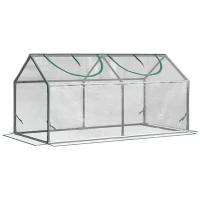
As a balcony cold frame supplier, I've seen firsthand how important it is to get the soil pH right. A well - balanced soil pH can make a huge difference in the success of your balcony garden. And speaking of balcony cold frames, if you're in the market for one, check out our Balcony Cold Frame options. These cold frames are designed to provide the perfect environment for your plants, whether you're growing them in a small balcony space or a larger outdoor area.
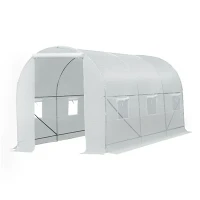
If you're thinking about expanding your gardening setup, you might also be interested in our Greenhouse with Cold Frame. This combination gives you even more control over the growing environment, especially during the colder months. And for those really cold winters, our Outdoor Greenhouse For Winter is a great option to keep your plants protected and thriving.
So, if you're ready to take your balcony gardening to the next level, don't hesitate to reach out. We're here to help you find the perfect cold frame for your needs and answer any questions you might have about soil pH or other gardening topics. Whether you're a beginner or an experienced gardener, we've got the products and knowledge to support you.
In conclusion, understanding the ideal pH level of the soil in your balcony cold frame is key to growing healthy, productive plants. By testing your soil, adjusting the pH if necessary, and choosing the right plants for your soil conditions, you can create a beautiful and bountiful balcony garden. So go ahead, give it a try, and let us know how it goes!
References
- "The Vegetable Gardener's Bible" by Edward C. Smith
- "Rodale's Basic Organic Gardening: A Beginner's Guide to Starting a Healthy Garden" by Deborah L. Martin