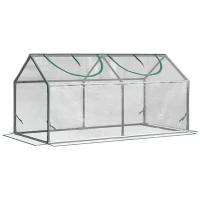
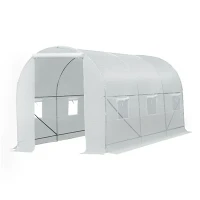
Hey everyone! I'm a supplier of low tunnel greenhouses, and I've been in this business for quite a while. Low tunnel greenhouses are great for growing plants, especially in areas with harsh weather conditions. They're cost-effective and easy to set up, making them a popular choice for both small-scale gardeners and commercial growers. But just like any other growing environment, low tunnel greenhouses are not immune to diseases. In this blog, I'll talk about some of the common diseases you might encounter in a low tunnel greenhouse and how to deal with them.
1. Fungal Diseases
Powdery Mildew
Powdery mildew is one of the most common fungal diseases in low tunnel greenhouses. It looks like a white or grayish powder on the leaves, stems, and flowers of plants. This disease thrives in warm, dry conditions with high humidity. In a low tunnel greenhouse, the enclosed environment can sometimes create the perfect conditions for powdery mildew to grow.
Plants like cucumbers, zucchinis, and roses are particularly susceptible. To prevent powdery mildew, make sure there's good air circulation in your Low Tunnel Greenhouse. You can do this by opening the vents on the sides of the tunnel or using fans. Also, avoid overhead watering, as wet leaves can encourage the growth of the fungus. If you already have powdery mildew, you can use a fungicide, but make sure to follow the instructions carefully.
Botrytis Blight
Botrytis blight, also known as gray mold, is another fungal disease that can be a problem in low tunnel greenhouses. It causes a grayish-brown, fuzzy mold to form on the plant parts, especially on dying or damaged tissue. This disease loves cool, moist conditions. In a low tunnel, if the temperature drops at night and the humidity is high, botrytis blight can quickly spread.
Flowers, fruits, and vegetables are often affected. To prevent it, keep the greenhouse clean and remove any dead or diseased plant material. You can also adjust the humidity levels by ventilating the greenhouse properly. If botrytis blight appears, you may need to use a fungicide, but early detection and prevention are key.
Downy Mildew
Downy mildew is different from powdery mildew. It causes yellow or pale green spots on the upper surface of the leaves, and a purplish or grayish fuzz on the undersides. This disease thrives in cool, wet conditions. In a low tunnel greenhouse, if the plants are overcrowded and there's poor air circulation, downy mildew can spread easily.
Many vegetables, such as lettuce, spinach, and onions, can be affected. To prevent downy mildew, space your plants properly to allow for good air movement. Water the plants at the base to keep the leaves dry. If you notice the symptoms, you can use a copper-based fungicide, but it's best to take preventive measures first.
2. Bacterial Diseases
Bacterial Spot
Bacterial spot is a common bacterial disease in low tunnel greenhouses. It causes small, dark spots on the leaves, stems, and fruits of plants. These spots can eventually turn into larger lesions, which can affect the plant's growth and yield. This disease is often spread by splashing water, insects, or contaminated tools.
Tomatoes, peppers, and eggplants are frequently affected. To prevent bacterial spot, make sure to water the plants at the base and avoid splashing water on the leaves. Keep the greenhouse clean and disinfect your tools regularly. If you have an infected plant, remove it immediately to prevent the spread of the disease.
Bacterial Wilt
Bacterial wilt is a serious disease that can kill plants quickly. It causes the plants to wilt suddenly, even when the soil is moist. This disease is caused by bacteria that live in the soil and enter the plant through the roots. In a low tunnel greenhouse, if the soil is contaminated, the disease can spread easily.
Cucumbers, melons, and squash are often susceptible. To prevent bacterial wilt, use disease-free seeds and transplants. Rotate your crops regularly to avoid planting the same family of plants in the same spot year after year. If you suspect a plant has bacterial wilt, remove it and the surrounding soil to prevent the spread of the bacteria.
3. Viral Diseases
Tobacco Mosaic Virus (TMV)
Tobacco mosaic virus is a well-known viral disease that can affect many different plants, including tomatoes, peppers, and tobacco. It causes a mosaic pattern of light and dark green on the leaves, as well as stunted growth and reduced yield. This virus is very stable and can be spread by contact with infected plants, tools, or even hands.
To prevent TMV, wash your hands thoroughly before handling plants, especially if you've been around tobacco products. Disinfect your tools regularly. If you find an infected plant, remove it immediately to prevent the spread of the virus.

Cucumber Mosaic Virus (CMV)
Cucumber mosaic virus affects cucumbers, melons, and other cucurbit plants, as well as many other vegetables and flowers. It causes mottling, yellowing, and distortion of the leaves, and can reduce the quality and quantity of the fruit. This virus is spread by aphids and other insects.
To prevent CMV, control the aphid population in your Low Tunnel Greenhouse. You can use insecticidal soaps or natural predators like ladybugs. Also, remove any infected plants as soon as possible.
Why Choose Our Low Tunnel Greenhouses to Minimize Diseases
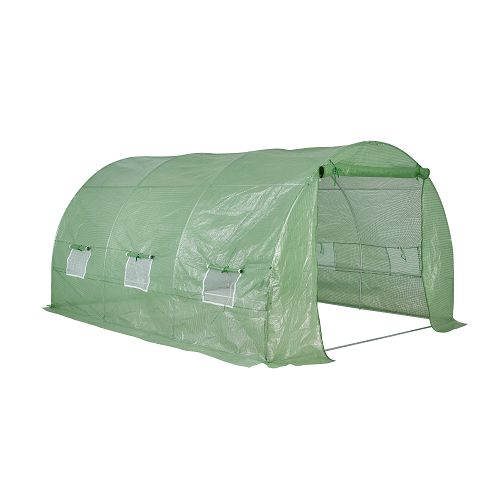
Our low tunnel greenhouses are designed to help you create an optimal growing environment that reduces the risk of diseases. They are made with high-quality materials that are durable and can withstand different weather conditions. The design allows for good air circulation, which is crucial for preventing fungal and bacterial diseases. Also, the size and shape of our greenhouses make it easy to manage the plants and keep the environment clean.
If you're looking for a Backyard Greenhouse for Winter, our low tunnel greenhouses are a great option. They can protect your plants from the cold and provide a stable environment for them to grow. And with proper management, you can significantly reduce the chances of your plants getting infected with diseases.
Contact for Procurement
If you're interested in purchasing our low tunnel greenhouses, whether for a small backyard garden or a large commercial operation, don't hesitate to contact us. We've got a team of experts who can guide you through the selection process and answer any questions you might have. We're committed to providing you with the best products and services to ensure your growing success.
References
- Agrios, G. N. (2005). Plant Pathology (5th ed.). Elsevier Academic Press.
- Kranz, J., Schmitt, M., & Weber, E. (1977). Plant Disease Assessment. Springer.
- Waterworth, H. E., & Hadidi, A. (1998). Diagnosis of Plant Virus Diseases. APS Press.