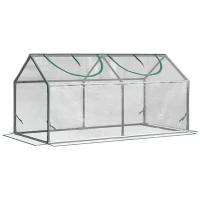
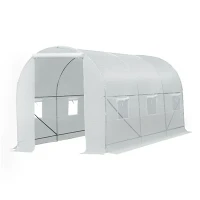
Hey there, fellow greenhouse enthusiasts! I'm [Your Name], and I'm stoked to share some insights on how to prevent pests in a traditional greenhouse. As a supplier of Traditional Greenhouse, I've seen firsthand the challenges that pests can pose to your gardening efforts. But don't worry, with the right strategies, you can keep those unwanted critters at bay and enjoy a thriving greenhouse.
Understanding the Enemy
Before we dive into prevention methods, it's important to understand the common pests that can invade your traditional greenhouse. Some of the most frequent culprits include aphids, whiteflies, spider mites, and thrips. These tiny pests can cause significant damage to your plants by sucking sap, spreading diseases, and leaving behind unsightly webs or discoloration.
One of the reasons pests love greenhouses is the warm, humid environment. It provides the perfect breeding ground for them to multiply rapidly. Additionally, the close proximity of plants in a greenhouse makes it easier for pests to spread from one plant to another.
Starting with a Clean Slate
The first step in pest prevention is to start with a clean and healthy greenhouse. Before you plant anything, give your greenhouse a thorough cleaning. Remove any old plant debris, weeds, or fallen leaves. These can harbor pests and diseases, so getting rid of them is crucial.
Scrub the greenhouse structure with a mild detergent and water solution. Pay special attention to corners, shelves, and any areas where dirt and debris can accumulate. Rinse the surfaces thoroughly and let them dry completely before adding new plants.
Choosing the Right Plants
Not all plants are equally susceptible to pests. When selecting plants for your traditional greenhouse, consider choosing varieties that are known for their pest resistance. For example, some herbs like basil, mint, and rosemary are naturally unappealing to many pests.
Also, avoid overcrowding your plants. Give them enough space to grow and breathe. Good air circulation can help prevent the buildup of humidity, which can attract pests. If you're unsure which plants are best for your greenhouse, consult with a local nursery or gardening expert.
Maintaining Proper Hygiene
Maintaining good hygiene in your greenhouse is essential for pest prevention. Here are some tips to keep in mind:
- Wash your hands: Before handling plants in your greenhouse, make sure to wash your hands thoroughly. This helps prevent the transfer of pests and diseases from one plant to another.
- Use clean tools: Keep your gardening tools clean and disinfected. You can use a solution of bleach and water to sanitize your tools after each use. This helps prevent the spread of pests and diseases that may be on the tools.
- Remove infected plants promptly: If you notice any plants showing signs of pest infestation or disease, remove them from the greenhouse immediately. This helps prevent the spread of the problem to other plants.
Using Physical Barriers
Physical barriers can be an effective way to prevent pests from entering your traditional greenhouse. Here are some options:
- Insect screens: Install insect screens on all the vents and openings in your greenhouse. These screens act as a barrier, preventing pests from flying or crawling into the greenhouse. Make sure the screens are in good condition and have no holes or tears.
- Row covers: You can also use row covers to protect your plants. These are lightweight fabric covers that can be placed over the plants. They provide a physical barrier against pests and also help keep the plants warm.
Beneficial Insects
Believe it or not, not all insects are bad for your greenhouse. Some insects, known as beneficial insects, can actually help control pest populations. For example, ladybugs are voracious eaters of aphids. You can purchase ladybugs or other beneficial insects from a gardening supply store and release them into your greenhouse.
Another beneficial insect is the lacewing. Lacewing larvae feed on aphids, whiteflies, and other small pests. By introducing these beneficial insects into your greenhouse, you can create a natural balance and reduce the need for chemical pesticides.
Organic Pest Control Methods
If you prefer to use organic methods to control pests in your traditional greenhouse, there are several options available. Here are some popular ones:
- Neem oil: Neem oil is a natural insecticide that is derived from the neem tree. It works by disrupting the life cycle of pests, preventing them from feeding and reproducing. You can mix neem oil with water and spray it on your plants.
- Garlic spray: Garlic has natural insecticidal properties. You can make a garlic spray by blending garlic cloves with water and straining the mixture. Then spray it on your plants to repel pests.
- Soap spray: A simple soap spray can also be effective in controlling pests. Mix a small amount of mild liquid soap with water and spray it on the affected plants. The soap helps to suffocate the pests.
Monitoring and Early Detection
Regular monitoring of your greenhouse is crucial for early detection of pest problems. Check your plants regularly for signs of pest infestation, such as holes in the leaves, discoloration, or the presence of webs. Early detection allows you to take action before the problem gets out of hand.
You can also use sticky traps to monitor pest populations. These traps are coated with a sticky substance that attracts and captures pests. Place the traps around your greenhouse and check them regularly to see if there are any pests present.
Chemical Pesticides as a Last Resort
While organic methods are preferred, there may be times when you need to use chemical pesticides to control a severe pest infestation. If you do decide to use chemical pesticides, make sure to follow the instructions carefully. Use the pesticides only as directed and wear protective clothing and equipment.


It's also important to choose pesticides that are specifically formulated for use in greenhouses. These pesticides are designed to be less harmful to plants and the environment.
Conclusion
Preventing pests in a traditional greenhouse requires a combination of strategies, including good hygiene, physical barriers, beneficial insects, and organic pest control methods. By following these tips, you can keep your greenhouse free of pests and enjoy a healthy and productive garden.
If you're interested in purchasing a Traditional Greenhouse or an 8mm Polycarbonate Greenhouse, feel free to reach out to us for more information. We're here to help you create the perfect greenhouse for your gardening needs.
References
- "Greenhouse Gardening: A Beginner's Guide" by [Author Name]
- "Pest Management in Greenhouses" by [Author Name]
- Various online gardening resources and forums.