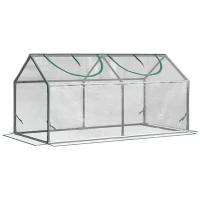
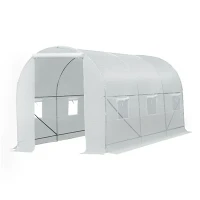
As a supplier of mini greenhouses, I understand the crucial role that proper air circulation plays in the success of any greenhouse, regardless of its size. Mini greenhouses, in particular, require careful attention to air movement to ensure a healthy growing environment for plants. In this blog post, I'll share some effective strategies and practical tips on how to ensure proper air circulation in a mini greenhouse.


Understanding the Importance of Air Circulation
Before delving into the methods of improving air circulation, it's essential to understand why it's so important. Proper air circulation helps in several ways:
- Temperature Regulation: It prevents hot spots and cold pockets within the greenhouse, ensuring a more uniform temperature. This is vital for the growth and development of plants, as extreme temperature variations can stress them and lead to poor health.
- Humidity Control: Adequate air movement helps to reduce humidity levels, preventing the growth of mold, mildew, and fungal diseases. High humidity can also lead to condensation on the greenhouse walls and roof, which can drip onto plants and cause damage.
- Carbon Dioxide Distribution: Plants need carbon dioxide for photosynthesis. Good air circulation ensures that carbon dioxide is evenly distributed throughout the greenhouse, allowing plants to access this essential gas.
- Pollination: In some cases, air movement can help with the pollination process, especially for self - pollinating plants. It can also prevent the buildup of stagnant air, which can attract pests and diseases.
Assessing Your Mini Greenhouse
The first step in ensuring proper air circulation is to assess your mini greenhouse. Consider the following factors:
- Size and Shape: The size and shape of your mini greenhouse will influence the airflow patterns. Smaller greenhouses may require less ventilation, but they can also be more prone to temperature and humidity fluctuations. Irregularly shaped greenhouses may have areas where air can become trapped.
- Location: The location of your greenhouse can affect the natural airflow. If it's placed in a sheltered area, such as against a wall or in a corner, it may receive less natural ventilation. On the other hand, if it's exposed to strong winds, you may need to take measures to protect the structure and control the airflow.
- Number and Type of Plants: The number and type of plants in your greenhouse will also impact the air circulation requirements. Some plants, such as tropical plants, may require higher humidity levels, while others, like succulents, prefer drier conditions.
Natural Ventilation
One of the simplest and most cost - effective ways to ensure air circulation in a mini greenhouse is through natural ventilation. Here are some strategies:
- Windows and Vents: Install windows and vents in your mini greenhouse. You can open them during the day to allow fresh air to enter and stale air to exit. Make sure the vents are placed at different heights to create a cross - ventilation effect. For example, you can have lower vents for intake and higher vents for exhaust. This will allow warm air, which rises, to escape through the upper vents, while fresh, cooler air enters through the lower ones.
- Door Placement: The placement of the door can also affect natural ventilation. If possible, position the door on the side of the greenhouse that receives the prevailing wind. This will help to draw fresh air into the structure when the door is open.
Mechanical Ventilation
In some cases, natural ventilation may not be sufficient, especially during hot or humid weather. Mechanical ventilation can provide additional airflow.
- Fans: Install fans in your mini greenhouse. You can use oscillating fans to distribute air evenly throughout the space. Place the fans at different levels and angles to ensure that all areas of the greenhouse receive adequate airflow. For example, you can have a fan near the ceiling to help move warm air and a fan at plant level to provide direct airflow to the plants.
- Exhaust Fans: Exhaust fans can be used to remove hot, humid air from the greenhouse. They are typically installed near the top of the greenhouse to expel the warm air that rises. Make sure the exhaust fans are properly sized for your greenhouse to ensure efficient operation.
Air Circulation Accessories
There are several accessories that can enhance air circulation in a mini greenhouse:
- Air Ducts: Air ducts can be used to direct airflow to specific areas of the greenhouse. They are especially useful for reaching areas that may be difficult to ventilate, such as corners or areas with dense plant growth.
- Misting Systems: Misting systems not only help to increase humidity but can also improve air circulation. The fine mist can help to break up stagnant air and create a more dynamic airflow environment.
Placement of Plants
The way you place your plants in the mini greenhouse can also affect air circulation.
- Spacing: Make sure to provide adequate spacing between plants. Overcrowding can restrict airflow and create a humid micro - environment that is conducive to the growth of diseases. Follow the recommended spacing guidelines for each type of plant.
- Arrangement: Arrange your plants in a way that allows air to flow freely around them. Avoid blocking vents or fans with plants. You can also create aisles or pathways between plant beds to facilitate air movement.
Monitoring and Adjusting
Once you have implemented the above strategies, it's important to monitor the air circulation in your mini greenhouse regularly.
- Temperature and Humidity Sensors: Use temperature and humidity sensors to keep track of the environmental conditions inside the greenhouse. This will help you identify any areas where the air circulation may be inadequate.
- Visual Inspection: Conduct regular visual inspections of your greenhouse. Look for signs of poor air circulation, such as condensation on the walls or roof, mold growth, or wilting plants. If you notice any issues, make adjustments to your ventilation system accordingly.
Conclusion
Proper air circulation is essential for the health and productivity of plants in a mini greenhouse. By understanding the importance of air movement, assessing your greenhouse, and implementing a combination of natural and mechanical ventilation strategies, you can create an optimal growing environment.
If you're interested in purchasing a high - quality mini greenhouse for your gardening needs, we offer a wide range of options, including the Mini Garden Greenhouse, Small HotHouse for Plant, and Small Metal Greenhouse. These greenhouses are designed to provide excellent air circulation and a stable growing environment.
If you have any questions or would like to discuss your specific requirements, please feel free to reach out. We're here to help you make the most of your gardening experience with our top - notch mini greenhouses.
References
- "The Greenhouse Gardener's Companion" by Sharon Askew
- "Greenhouse Horticulture" by Bart N.L.A. Custers