Raspberries are a delightful and nutritious fruit that can be a rewarding addition to any garden. Growing them in a pop-up greenhouse offers numerous advantages, such as extending the growing season, protecting the plants from harsh weather conditions, and providing a controlled environment for optimal growth. As a supplier of high-quality pop-up greenhouses, I'm excited to share my insights on how to grow raspberries successfully in these convenient structures.
Selecting the Right Pop-Up Greenhouse
Before you start growing raspberries, it's essential to choose the right pop-up greenhouse for your needs. Consider the following factors:
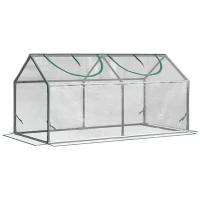
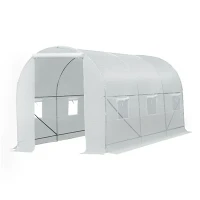
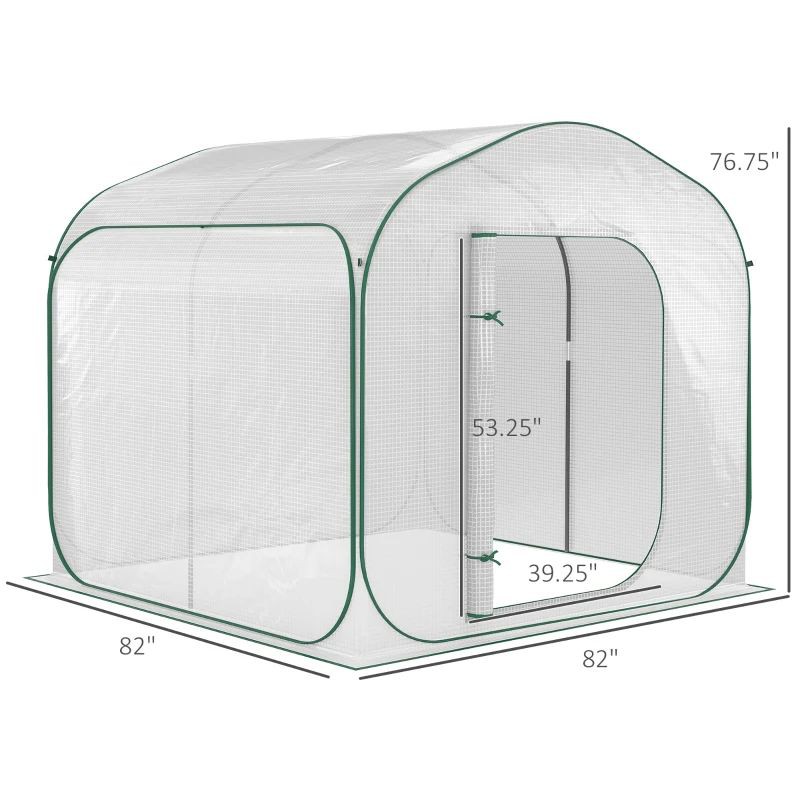
- Size: The size of your greenhouse will depend on the number of raspberry plants you plan to grow and the available space in your garden. For a small-scale raspberry patch, a Small Pop Up Greenhouse may be sufficient. If you have more ambitious plans or want to grow a larger variety of plants, a Large Pop Up Greenhouse would be a better choice.
- Durability: Look for a pop-up greenhouse made from high-quality materials that can withstand the elements. A sturdy frame and a durable cover will ensure that your greenhouse lasts for many growing seasons.
- Ventilation: Proper ventilation is crucial for preventing the buildup of heat and humidity inside the greenhouse, which can lead to fungal diseases and other problems. Choose a greenhouse with adjustable vents or windows to allow for adequate air circulation.
- Accessibility: Consider how easy it will be to access your raspberry plants inside the greenhouse. Look for a design that provides enough space for you to move around comfortably and perform tasks such as pruning, watering, and harvesting.
Preparing the Greenhouse
Once you've selected the right pop-up greenhouse, it's time to prepare it for planting. Follow these steps:
- Choose a Location: Select a sunny spot in your garden that receives at least six hours of direct sunlight per day. Avoid areas that are prone to strong winds or flooding.
- Level the Ground: Make sure the ground where you'll be setting up the greenhouse is level and free of debris. This will ensure that the greenhouse is stable and secure.
- Set Up the Greenhouse: Follow the manufacturer's instructions to set up the pop-up greenhouse. Make sure the frame is properly assembled and the cover is securely attached.
- Add a Ground Cover: To prevent weeds from growing inside the greenhouse and to improve drainage, add a layer of landscape fabric or gravel to the ground.
- Install Shelving or Benches: If you have limited space inside the greenhouse, consider installing shelving or benches to maximize the growing area. This will also make it easier to access your plants.
Selecting Raspberry Varieties
There are several different varieties of raspberries available, each with its own unique characteristics and growing requirements. When selecting raspberry varieties for your pop-up greenhouse, consider the following factors:
- Climate: Choose raspberry varieties that are suitable for your climate. Some varieties are more cold-hardy, while others are better suited to warmer climates.
- Fruiting Time: Raspberries can be classified as either summer-bearing or everbearing. Summer-bearing varieties produce fruit once a year, usually in the summer, while everbearing varieties produce fruit twice a year, in the summer and fall.
- Flavor and Texture: Consider the flavor and texture of the raspberries you prefer. Some varieties are sweeter, while others are more tart.
- Disease Resistance: Look for raspberry varieties that are resistant to common diseases and pests, such as raspberry cane borers and powdery mildew.
Planting Raspberries
Once you've selected the right raspberry varieties, it's time to plant them in your pop-up greenhouse. Follow these steps:
- Prepare the Soil: Raspberries prefer well-drained, fertile soil with a pH between 5.5 and 6.5. Amend the soil with compost or well-rotted manure to improve its fertility and drainage.
- Dig Holes: Dig holes that are slightly larger than the root balls of your raspberry plants. Space the holes about 2 to 3 feet apart in rows that are 6 to 8 feet apart.
- Plant the Raspberries: Place the raspberry plants in the holes and backfill with soil. Make sure the crown of the plant is level with the soil surface.
- Water the Plants: Water the newly planted raspberry plants thoroughly to help them establish their roots. Keep the soil moist but not waterlogged.
- Mulch the Plants: Apply a layer of mulch, such as straw or wood chips, around the base of the raspberry plants to help retain moisture and suppress weeds.
Caring for Raspberries
Proper care is essential for the health and productivity of your raspberry plants. Follow these tips to ensure that your raspberries thrive in your pop-up greenhouse:
- Watering: Raspberries need regular watering, especially during the growing season. Water the plants deeply once or twice a week, depending on the weather conditions. Avoid overwatering, as this can lead to root rot.
- Fertilizing: Apply a balanced fertilizer, such as a 10-10-10 or 12-12-12 formula, to your raspberry plants in the spring and again in the summer. Follow the manufacturer's instructions for application rates.
- Pruning: Pruning is an important part of raspberry plant care. Remove any dead, damaged, or diseased canes in the spring. After the plants have finished fruiting, cut back the canes that have produced fruit to the ground.
- Pest and Disease Control: Keep an eye out for common pests and diseases, such as aphids, spider mites, and powdery mildew. Use organic pest control methods, such as neem oil or insecticidal soap, to control pests. If necessary, consult a professional for advice on disease control.
- Supporting the Plants: Raspberry plants can become top-heavy as they grow and produce fruit. Provide support for the plants by installing a trellis or stakes. This will help prevent the canes from bending or breaking.
Harvesting Raspberries
Raspberries are ready to harvest when they are fully ripe and easily come off the stem with a gentle tug. The harvesting season for raspberries typically lasts for several weeks, depending on the variety. Follow these tips to ensure a successful harvest:

- Harvest Regularly: Check your raspberry plants daily during the harvesting season and pick the ripe berries as soon as they are ready. This will prevent the berries from overripening and falling off the plant.
- Handle the Berries Carefully: Raspberries are delicate fruits and can easily be damaged. Handle the berries gently when harvesting and avoid squeezing or crushing them.
- Store the Berries Properly: Store the harvested raspberries in the refrigerator as soon as possible. They will keep for up to three days in the refrigerator.
Extending the Growing Season
One of the main advantages of growing raspberries in a pop-up greenhouse is the ability to extend the growing season. By providing a controlled environment, you can start planting raspberries earlier in the spring and continue harvesting them later in the fall. Here are some tips for extending the growing season:
- Use a Winter Pop Up Greenhouse: If you live in a cold climate, consider using a winter pop-up greenhouse to protect your raspberry plants from frost and cold temperatures. A winter greenhouse can help you grow raspberries throughout the winter months.
- Provide Supplemental Heat: In addition to using a winter greenhouse, you can also provide supplemental heat to your raspberry plants using a space heater or a heating mat. This will help keep the temperature inside the greenhouse warm enough for the plants to grow.
- Use Row Covers: Row covers are a simple and effective way to protect your raspberry plants from cold temperatures and frost. They can be placed over the plants to provide an extra layer of insulation.
Conclusion
Growing raspberries in a pop-up greenhouse is a fun and rewarding way to enjoy fresh, delicious berries right in your own backyard. By following the tips and guidelines outlined in this blog post, you can successfully grow raspberries in your pop-up greenhouse and enjoy a bountiful harvest. If you're interested in purchasing a pop-up greenhouse for your raspberry plants, please feel free to contact us. We'd be happy to help you choose the right greenhouse for your needs and provide you with any additional information or support you may need.
References
- "Growing Raspberries." University of Minnesota Extension.
- "Raspberry Growing Guide." Gardening Know How.
- "Pop-Up Greenhouses: A Practical Guide." Gardening Channel.