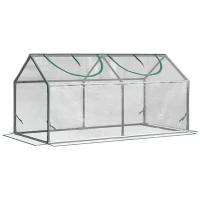
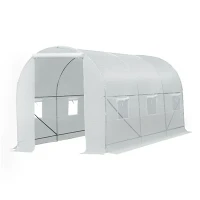
As a supplier of insulated greenhouses, I understand the significance of adjusting insulation according to the seasons. Greenhouses are designed to create a controlled environment for plants, and proper insulation is crucial for maintaining optimal temperature, humidity, and light levels throughout the year. In this blog post, I will share some scientific and practical tips on how to adjust the insulation in a greenhouse based on the changing seasons, helping you to maximize the productivity and health of your plants.


Spring: Preparing for Growth
Spring is a time of renewal and growth, and it's essential to prepare your greenhouse for the upcoming growing season. As the temperature begins to rise, you'll need to adjust the insulation to allow more sunlight and warmth to enter the greenhouse while still protecting your plants from sudden temperature drops and pests.
- Remove Excess Insulation: Start by removing any heavy insulation materials, such as blankets or straw, that you used during the winter. These materials can trap moisture and prevent sunlight from reaching your plants, which can lead to mold and other fungal diseases. Instead, opt for lighter, breathable insulation materials, such as shade cloth or row covers, which can provide some protection from the sun and wind while still allowing air to circulate.
- Install Ventilation Systems: As the temperature rises, it's important to install ventilation systems in your greenhouse to prevent overheating and improve air circulation. This can help to reduce humidity levels and prevent the growth of mold and other fungal diseases. You can install exhaust fans, vents, or louvers to allow hot air to escape and fresh air to enter the greenhouse.
- Monitor Temperature and Humidity: Use a thermometer and hygrometer to monitor the temperature and humidity levels in your greenhouse regularly. This will help you to adjust the insulation and ventilation systems as needed to maintain optimal growing conditions for your plants. Aim for a temperature range of 60 - 70°F (15 - 21°C) during the day and 50 - 60°F (10 - 15°C) at night, with a humidity level of 50 - 60%.
Summer: Protecting from Heat
Summer is the peak growing season, but it can also be the most challenging time for greenhouse growers. The high temperatures and intense sunlight can cause your plants to overheat and wilt, and the increased humidity can lead to the growth of mold and other fungal diseases. To protect your plants from the heat, you'll need to adjust the insulation and ventilation systems in your greenhouse.
- Add Shade Cloth: One of the most effective ways to reduce the temperature in your greenhouse during the summer is to add shade cloth. Shade cloth can block up to 70% of the sunlight, which can help to keep your plants cool and prevent them from overheating. You can choose from a variety of shade cloth materials, such as woven polyethylene or knitted polyester, and install them on the roof or sides of your greenhouse.
- Increase Ventilation: In addition to adding shade cloth, you'll also need to increase the ventilation in your greenhouse to prevent overheating. You can do this by opening the vents and louvers during the day and running the exhaust fans continuously. You can also install a misting system or evaporative cooler to help reduce the temperature and humidity levels in the greenhouse.
- Water Your Plants Regularly: During the summer, it's important to water your plants regularly to prevent them from drying out. You can use a drip irrigation system or a soaker hose to water your plants directly at the base, which can help to reduce water waste and prevent the growth of mold and other fungal diseases. You should also avoid watering your plants during the hottest part of the day, as this can cause the water to evaporate before it has a chance to reach the roots.
Fall: Transitioning to Winter
Fall is a time of transition, and it's important to prepare your greenhouse for the upcoming winter. As the temperature begins to drop, you'll need to adjust the insulation to keep your plants warm and protect them from the cold.
- Add Insulation: Start by adding insulation materials, such as blankets or straw, to the walls and roof of your greenhouse. These materials can help to trap heat and keep your plants warm during the cold winter months. You can also install a layer of plastic sheeting over the insulation to provide an additional barrier against the cold.
- Reduce Ventilation: As the temperature drops, you'll need to reduce the ventilation in your greenhouse to prevent heat loss. You can do this by closing the vents and louvers at night and running the exhaust fans less frequently. You should also avoid opening the doors or windows of your greenhouse during the coldest part of the day, as this can cause a sudden drop in temperature.
- Monitor Temperature and Humidity: Use a thermometer and hygrometer to monitor the temperature and humidity levels in your greenhouse regularly. This will help you to adjust the insulation and ventilation systems as needed to maintain optimal growing conditions for your plants. Aim for a temperature range of 50 - 60°F (10 - 15°C) during the day and 40 - 50°F (4 - 10°C) at night, with a humidity level of 40 - 50%.
Winter: Keeping Warm
Winter is the most challenging time for greenhouse growers, as the cold temperatures and short days can make it difficult to maintain optimal growing conditions for your plants. To keep your plants warm and healthy, you'll need to adjust the insulation and heating systems in your greenhouse.
- Add Additional Insulation: In addition to the insulation materials you added in the fall, you may need to add additional insulation to the walls and roof of your greenhouse to provide extra protection against the cold. You can use materials such as foam board or reflective insulation to help trap heat and keep your plants warm.
- Install a Heating System: To maintain a constant temperature in your greenhouse during the winter, you'll need to install a heating system. There are several types of heating systems available, including electric heaters, gas heaters, and wood-burning stoves. Choose a heating system that is appropriate for the size of your greenhouse and the type of plants you are growing.
- Use Grow Lights: During the winter, the days are shorter, and the sunlight is less intense, which can make it difficult for your plants to grow. To provide your plants with the light they need, you can install grow lights in your greenhouse. Grow lights can mimic the spectrum of sunlight and provide your plants with the energy they need to grow and thrive.
Conclusion
Adjusting the insulation in your greenhouse according to the seasons is essential for maintaining optimal growing conditions for your plants. By following the tips and recommendations outlined in this blog post, you can ensure that your plants stay healthy and productive throughout the year. If you're interested in learning more about insulated greenhouses or need help selecting the right insulation materials for your greenhouse, please feel free to contact us. We're a leading supplier of Insulated Greenhouse, Outdoor Tunnel Greenhouse, and Low Tunnel Greenhouse, and we're always happy to help you find the right solution for your needs.
References
- Smith, J. (2020). Greenhouse Gardening: A Comprehensive Guide. ABC Publishing.
- Johnson, A. (2019). The Science of Greenhouse Design. XYZ Press.
- Brown, C. (2018). Seasonal Insulation Strategies for Greenhouses. Gardening Today Magazine.