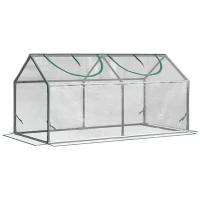
Hey there, gardening enthusiasts! If you're like me, you probably love the idea of growing your own veggies but maybe don't have a big backyard. That's where balcony cold frames come in super handy. I'm actually a supplier of Balcony Cold Frame, and I've seen firsthand how these little setups can turn a small balcony into a thriving vegetable garden.
So, what exactly is a balcony cold frame? Well, it's basically a small, enclosed structure that you can place on your balcony. It helps to trap heat from the sun, creating a warmer environment for your plants. This means you can start planting earlier in the spring and keep growing well into the fall. It's like having a mini greenhouse right on your balcony!
Now, let's talk about the veggies that are perfect for a balcony cold frame.
Leafy Greens
Leafy greens are a no-brainer for balcony cold frames. They're relatively easy to grow, and they don't take up a ton of space.
Lettuce: Lettuce is one of my favorites. There are so many different varieties to choose from, like romaine, butterhead, and loose-leaf lettuce. You can start lettuce seeds indoors in the early spring and then transplant them into your cold frame once the weather starts to warm up a bit. Lettuce likes cool temperatures, so the cold frame provides the perfect environment. Just make sure to keep the soil moist, and you'll be harvesting fresh lettuce leaves in no time.
Spinach: Spinach is another great option. It's packed with vitamins and minerals, and it grows really well in the cooler conditions of a cold frame. You can sow spinach seeds directly into the soil in your cold frame in the early spring or late summer. Spinach doesn't like it too hot, so the cold frame helps to keep it happy. Plus, you can pick the outer leaves as you need them, and the plant will keep growing.


Kale: Kale is a superfood, and it's also a great choice for a balcony cold frame. It's very hardy and can tolerate cold temperatures. You can plant kale seeds in the spring or fall, and it will grow in the cold frame even when the weather outside is a bit chilly. Kale can be a bit slow to germinate, but once it gets going, it will keep producing leaves for a long time.
Root Vegetables
Root vegetables are also well-suited for balcony cold frames. They grow underground, so they don't need a lot of vertical space.
Radishes: Radishes are one of the fastest-growing vegetables you can plant. You can sow radish seeds directly into the soil in your cold frame, and they'll be ready to harvest in as little as 3 - 4 weeks. Radishes like cool weather, so the cold frame is perfect for them. They come in different colors and shapes, from round red radishes to long white icicle radishes.
Carrots: Carrots are a bit more finicky than radishes, but they can still be grown successfully in a balcony cold frame. You need to make sure you have loose, well-drained soil for carrots. Sow the seeds thinly and keep the soil moist. Carrots can take a few weeks to germinate, but once they do, they'll grow steadily. You can harvest them when they're big enough, usually after about 2 - 3 months.
Turnips: Turnips are another root vegetable that does well in a cold frame. They're easy to grow and can be harvested at different stages. You can eat the greens as well as the roots. Plant turnip seeds in the spring or fall, and they'll grow quickly in the cool environment of the cold frame.
Herbs
Herbs are a wonderful addition to any balcony garden, and they thrive in a cold frame too.
Parsley: Parsley is a versatile herb that can be used in many different dishes. It's a biennial plant, but it's usually grown as an annual. You can start parsley seeds indoors and then transplant them into the cold frame. Parsley likes moist soil and partial shade, and the cold frame can provide the right conditions for it to grow.
Chives: Chives are a hardy herb that can tolerate cold temperatures. They have a mild onion flavor and can be used in salads, soups, and other dishes. You can plant chive seeds directly into the soil in your cold frame, or you can divide an existing chive plant. Chives will keep growing back after you harvest them, so you'll have a continuous supply of fresh herbs.
Mint: Mint is a very fragrant herb, but it can be a bit invasive. It's best to plant mint in a container inside your cold frame to keep it from spreading. Mint likes cool, moist conditions, and the cold frame provides a great environment for it. You can use mint in tea, cocktails, or as a garnish for desserts.
Factors to Consider When Choosing Vegetables
When you're deciding which vegetables to grow in your balcony cold frame, there are a few factors you need to consider.
Space: Balcony cold frames come in different sizes, so you need to make sure you choose vegetables that will fit. Some vegetables, like tomatoes or cucumbers, need a lot of space to grow, so they might not be the best choice for a small balcony cold frame. On the other hand, leafy greens and herbs are more space-efficient.
Light: Most vegetables need at least 6 hours of sunlight per day. Make sure your balcony gets enough sun, and position your cold frame in a sunny spot. If your balcony doesn't get a lot of direct sunlight, you might want to choose vegetables that can tolerate partial shade, like lettuce or spinach.
Temperature: The whole point of a cold frame is to provide a warmer environment for your plants, but you still need to be aware of the temperature. Some vegetables, like tomatoes, need warm temperatures to grow and produce fruit. Others, like lettuce and spinach, prefer cooler temperatures. Make sure you choose vegetables that are suitable for the temperature range in your cold frame.
Benefits of Using a Balcony Cold Frame
Using a balcony cold frame has several benefits.
Extended Growing Season: As I mentioned earlier, a cold frame allows you to start planting earlier in the spring and keep growing later in the fall. This means you can enjoy fresh vegetables for a longer period of time.
Protection from the Elements: The cold frame protects your plants from harsh weather conditions, like strong winds, heavy rain, and frost. This can help to keep your plants healthy and productive.
Pest Control: The enclosed structure of the cold frame can also help to keep pests away from your plants. It's like having a little barrier between your veggies and the bugs.
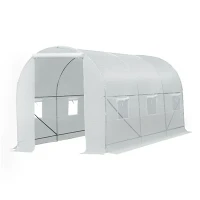
If you're interested in starting your own balcony vegetable garden with the help of a cold frame, I'd love to chat with you. Whether you're a beginner or an experienced gardener, I can help you find the right Balcony Cold Frame for your needs. We also offer Outdoor Greenhouse for Winter and Greenhouse with Cold Frame options if you're looking for something more advanced. Just reach out, and we can discuss your requirements and get you started on your gardening journey.
References
- "The Vegetable Gardener's Bible" by Edward C. Smith
- "Rodale's Ultimate Encyclopedia of Organic Gardening" by Fern Marshall Bradley, Barbara W. Ellis, and the Editors of Rodale's Organic Life