Hey there, fellow gardening enthusiasts! I'm stoked to share some knowledge about starting seeds in a cold frame. As a cold frame supplier, I've seen firsthand how these nifty structures can extend the growing season and give your plants a head start. So, let's dive in and explore what seeds can thrive in a cold frame.
Why Use a Cold Frame?
Before we get into the specific seeds, let's quickly chat about why a cold frame is such a great addition to your garden. A cold frame is like a mini greenhouse that provides a protected environment for your plants. It traps heat from the sun, keeping the temperature inside warmer than the outside air. This means you can start seeds earlier in the spring and continue growing plants later into the fall.
Cold frames also offer protection from harsh weather conditions, such as frost, wind, and heavy rain. They create a microclimate that's perfect for seedlings, allowing them to grow strong and healthy before being transplanted into the garden.
Seeds to Start in a Cold Frame
Now, let's talk about the seeds that are well-suited for starting in a cold frame. There are plenty of options, but I'll focus on some of the most popular ones.
Leafy Greens
Leafy greens are a great choice for cold frame gardening. They're relatively easy to grow and can tolerate cooler temperatures. Some of the best leafy greens to start in a cold frame include:
- Lettuce: Lettuce is a classic cold frame crop. It comes in a variety of types, including loose-leaf, romaine, and butterhead. You can start lettuce seeds indoors in late winter or early spring and then transplant them into the cold frame once they've developed a few true leaves.
- Spinach: Spinach is another cold-hardy leafy green that thrives in a cold frame. It's rich in vitamins and minerals and can be harvested multiple times throughout the growing season. Start spinach seeds directly in the cold frame in early spring or late summer.
- Kale: Kale is a superfood that's packed with nutrients. It's also very cold-tolerant and can withstand frost. Start kale seeds indoors in late winter or early spring and then transplant them into the cold frame once they're a few inches tall.
Herbs
Herbs are a wonderful addition to any garden, and many of them can be started in a cold frame. Here are some herbs that do well in a cold frame:
- Parsley: Parsley is a versatile herb that can be used in a variety of dishes. It's easy to grow from seed and can tolerate cooler temperatures. Start parsley seeds indoors in late winter or early spring and then transplant them into the cold frame once they've developed a few true leaves.
- Cilantro: Cilantro is a popular herb in Mexican and Asian cuisine. It has a fresh, citrusy flavor that pairs well with many dishes. Start cilantro seeds directly in the cold frame in early spring or late summer.
- Chives: Chives are a member of the onion family and have a mild, onion-like flavor. They're easy to grow and can be used as a garnish or in cooking. Start chive seeds indoors in late winter or early spring and then transplant them into the cold frame once they're a few inches tall.
Root Vegetables
Root vegetables are another option for cold frame gardening. They need a bit more space than leafy greens and herbs, but they can be very rewarding to grow. Some root vegetables that can be started in a cold frame include:
- Carrots: Carrots are a classic root vegetable that's easy to grow. They come in a variety of colors and sizes and can be harvested when they're young and tender or left to mature for a sweeter flavor. Start carrot seeds directly in the cold frame in early spring or late summer.
- Radishes: Radishes are a fast-growing root vegetable that can be harvested in as little as 3-4 weeks. They come in a variety of colors and shapes and have a crisp, peppery flavor. Start radish seeds directly in the cold frame in early spring or late summer.
- Beets: Beets are a nutritious root vegetable that's rich in vitamins and minerals. They come in a variety of colors, including red, yellow, and white, and can be used in a variety of dishes. Start beet seeds directly in the cold frame in early spring or late summer.
Flowers
Cold frames aren't just for vegetables and herbs. You can also start flower seeds in a cold frame to get a head start on the growing season. Here are some flowers that do well in a cold frame:


- Pansies: Pansies are a popular flower that comes in a variety of colors. They're cold-tolerant and can be planted in the fall or early spring. Start pansy seeds indoors in late summer or early fall and then transplant them into the cold frame once they've developed a few true leaves.
- Violas: Violas are similar to pansies but have smaller flowers. They're also cold-tolerant and can be planted in the fall or early spring. Start viola seeds indoors in late summer or early fall and then transplant them into the cold frame once they've developed a few true leaves.
- Sweet Peas: Sweet peas are a fragrant flower that comes in a variety of colors. They're climbers and need a trellis or support to grow. Start sweet pea seeds indoors in late winter or early spring and then transplant them into the cold frame once they're a few inches tall.
Tips for Starting Seeds in a Cold Frame
Now that you know what seeds to start in a cold frame, here are some tips to help you get the best results:
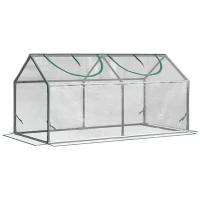
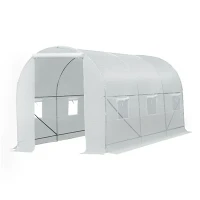
- Choose the right cold frame: There are many different types of cold frames available, so it's important to choose one that's right for your needs. Consider the size, material, and design of the cold frame before making a purchase. You can check out our Balcony Cold Frame if you have limited space, or our Greenhouse with Cold Frame for a more comprehensive solution.
- Prepare the soil: Before planting your seeds, make sure the soil in the cold frame is well-drained and fertile. You can add compost or other organic matter to the soil to improve its quality.
- Plant the seeds at the right depth: Different seeds require different planting depths, so it's important to read the seed packet carefully. As a general rule, small seeds should be planted shallowly, while larger seeds can be planted deeper.
- Water the seeds regularly: Seeds need to be kept moist but not waterlogged. Water the seeds gently with a watering can or spray bottle to avoid disturbing them.
- Provide adequate ventilation: Cold frames can get very hot and humid, especially on sunny days. To prevent your plants from overheating, make sure the cold frame has adequate ventilation. You can open the lid or vents of the cold frame to allow air to circulate.
- Monitor the temperature: It's important to monitor the temperature inside the cold frame to make sure it's not too hot or too cold. You can use a thermometer to check the temperature and adjust the ventilation as needed.
Conclusion
Starting seeds in a cold frame is a great way to extend the growing season and get a head start on your garden. With the right seeds, soil, and care, you can grow a variety of vegetables, herbs, flowers, and more in your cold frame. If you're interested in purchasing a cold frame for your garden, we have a wide range of options to choose from. Check out our Outdoor Greenhouse for Winter for a durable and reliable cold frame that can withstand the elements.
If you have any questions or would like to learn more about cold frame gardening, please don't hesitate to contact us. We're here to help you make the most of your cold frame and grow a beautiful, bountiful garden.
References
- "The Vegetable Gardener's Bible" by Edward C. Smith
- "The Herb Gardener's Bible" by Susan Belsinger and Arthur O. Tucker
- "Flowers from the Garden" by Lewis Hill