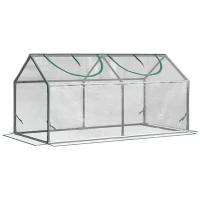
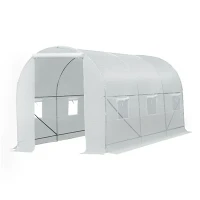
When it comes to creating a thriving oasis on your balcony, a balcony greenhouse is a game - changer. As a balcony greenhouse supplier, I've had the privilege of witnessing the transformation of countless balconies into lush, productive spaces. One of the most common questions I get from customers is, "What plants are suitable for a balcony greenhouse?" In this blog, I'll share some insights and recommendations to help you make the most of your balcony greenhouse.
Understanding the Balcony Greenhouse Environment
Before diving into plant selection, it's essential to understand the unique environment of a balcony greenhouse. Balcony greenhouses typically offer a more controlled climate compared to an open balcony. They can protect plants from harsh weather conditions such as strong winds, heavy rain, and extreme temperatures. However, the space is usually limited, and the amount of sunlight can vary depending on the balcony's orientation.
Herbs
Herbs are a fantastic choice for a balcony greenhouse. They are relatively easy to grow, require minimal space, and can be used for cooking, making teas, or adding fragrance to your space.
Basil: Basil is a warm - season herb that thrives in the sunlight and warmth often provided by a balcony greenhouse. It loves plenty of light, so place it in a sunny spot. Basil can be used in a variety of dishes, from pasta sauces to pesto.
Mint: Mint is a hardy herb that can grow well in a balcony greenhouse. It can tolerate partial shade, which is useful if your balcony doesn't receive full sun all day. However, mint can be invasive, so it's best to plant it in a container. Fresh mint leaves are great for making cocktails, teas, or adding to salads.
Parsley: Parsley is a biennial herb that is rich in vitamins and minerals. It prefers cooler temperatures and can be grown in partial shade. Parsley is a versatile herb that can be used as a garnish or added to soups, stews, and salads.
Lettuces and Salad Greens
Lettuces and salad greens are another excellent option for a balcony greenhouse. They grow relatively quickly and can be harvested in a cut - and - come - again manner.
Butterhead Lettuce: Butterhead lettuce has soft, buttery leaves and is known for its mild flavor. It prefers cooler temperatures and partial shade, making it suitable for a balcony greenhouse. You can start harvesting the outer leaves when they are large enough to eat.
Spinach: Spinach is a nutrient - rich leafy green that grows well in cool weather. It can tolerate some shade and is a great addition to salads, smoothies, or cooked dishes. Spinach can be sown directly into the soil or started in trays and then transplanted.
Arugula: Arugula has a peppery flavor that adds a kick to salads. It grows quickly and can tolerate a wide range of temperatures. Arugula prefers full sun but can also grow in partial shade.
Tomatoes
Tomatoes are a popular choice for balcony gardens, and a balcony greenhouse provides an ideal environment for them.
Cherry Tomatoes: Cherry tomatoes are well - suited for balcony greenhouses because they don't require a lot of space. They produce an abundance of small, sweet tomatoes that are perfect for snacking or adding to salads. They need plenty of sunlight, at least 6 - 8 hours a day, and a trellis or support for the vines to climb.
Determinate Tomatoes: Determinate tomato varieties are more compact and bushy, making them suitable for the limited space of a balcony greenhouse. They produce a single crop of tomatoes over a relatively short period, which is convenient for harvesting.
Peppers
Peppers are another warm - season crop that can thrive in a balcony greenhouse.
Bell Peppers: Bell peppers come in a variety of colors, including green, red, yellow, and orange. They need plenty of sunlight and warm temperatures to grow and ripen. Bell peppers are a great addition to stir - fries, salads, or stuffed and baked.
Chili Peppers: Chili peppers are more heat - tolerant and can be a fun addition to a balcony greenhouse. They come in different levels of spiciness, from mild to extremely hot. Chili peppers can be used fresh or dried to add flavor and heat to a variety of dishes.
Flowers
Flowers not only add beauty to your balcony greenhouse but also attract pollinators, which can benefit your edible plants.
Petunias: Petunias are colorful and easy - to - grow flowers that can brighten up your balcony greenhouse. They come in a wide range of colors and can be planted in hanging baskets or containers. Petunias need plenty of sunlight and regular watering.
Marigolds: Marigolds are known for their bright orange and yellow flowers and their ability to repel pests. They are easy to grow from seeds and can be planted around your edible plants to help protect them.
Nasturtiums: Nasturtiums have colorful flowers and edible leaves and flowers. They are a great addition to a balcony greenhouse because they can attract pollinators and add a pop of color to your space.
Considerations for Winter Planting
If you're looking to grow plants in your balcony greenhouse during the winter, there are specific options to consider. You can explore the Balcony Greenhouse for Winter for more suitable structures.


Winter Greens: Crops like kale, Swiss chard, and winter lettuce can tolerate colder temperatures. They can be sown in late fall and will continue to grow slowly throughout the winter.
Pansies: Pansies are hardy flowers that can add color to your balcony greenhouse in the winter. They can tolerate frost and cold temperatures and come in a variety of colors.
Small - Space and Mini Greenhouse Options
For those with limited balcony space, Balcony Mini Greenhouse or Mini Greenhouse for Winter Indoor can be a great solution. Herbs, small - sized lettuces, and dwarf varieties of vegetables are well - suited for these small spaces. For example, there are dwarf tomato varieties that grow to a more manageable size and can fit nicely in a mini - greenhouse.
Tips on Planting in a Balcony Greenhouse
- Proper Potting: Use high - quality potting soil that provides good drainage and aeration. Since balcony greenhouse plants are often in containers, well - drained soil is crucial to prevent root rot.
- Watering: Be careful not to over - water or under - water your plants. Check the soil moisture regularly, especially during hot weather when the soil can dry out quickly.
- Fertilizing: Use a balanced fertilizer to provide the necessary nutrients for your plants. Different plants have different fertilizer requirements, so make sure to do some research on the specific needs of the plants you're growing.
Contact for Procurement
I hope this blog has given you a better understanding of the plants that are suitable for a balcony greenhouse. If you're interested in purchasing a balcony greenhouse for your own space, I encourage you to reach out. Whether you have questions about the products, need advice on plant selection, or want to discuss customization options, I'm here to help. Feel free to contact me to start the procurement process and turn your balcony into a green paradise.
References
- Smith, J. (2020). The Balcony Gardening Guide. Publisher XYZ.
- Johnson, A. (2021). Growing Plants in Small Spaces. ABC Publishing.
- Green, L. (2022). Year - Round Balcony Growing. Gardening Press.