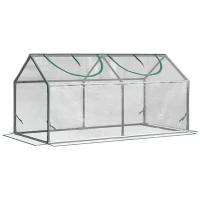
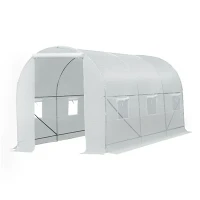
The weight capacity of a mini greenhouse is a crucial factor that both hobbyist gardeners and professional growers need to consider. As a supplier of mini greenhouses, I've encountered numerous inquiries regarding this topic. In this blog post, I'll delve into the various aspects that determine the weight capacity of a mini greenhouse, including the materials used, the design, and the intended use.
Understanding the Basics of Weight Capacity
Weight capacity refers to the maximum amount of weight that a mini greenhouse can safely support. This includes the weight of the structure itself, the plants, soil, equipment, and any additional accessories. Exceeding the weight capacity can lead to structural damage, instability, and even collapse, which can be dangerous and costly.


Factors Affecting Weight Capacity
Materials
The materials used in the construction of a mini greenhouse play a significant role in determining its weight capacity. Common materials include aluminum, steel, wood, and plastic.
- Aluminum: Aluminum is a popular choice for mini greenhouses due to its lightweight yet durable nature. It is resistant to corrosion and can support a moderate amount of weight. However, the weight capacity of an aluminum greenhouse will depend on the thickness and quality of the aluminum used.
- Steel: Steel is a strong and sturdy material that can support a significant amount of weight. It is often used in larger or more heavy-duty mini greenhouses. However, steel is also heavier than aluminum and may require a more robust foundation.
- Wood: Wood is a traditional material for greenhouses and can add a natural and aesthetically pleasing look. However, wood is susceptible to rot, decay, and insect damage, which can affect its weight capacity over time. Proper treatment and maintenance are essential to ensure the longevity of a wooden greenhouse.
- Plastic: Plastic is a lightweight and affordable material that is commonly used in smaller or temporary mini greenhouses. While plastic can be a cost-effective option, it may not have the same weight capacity as metal or wood structures.
Design
The design of a mini greenhouse also affects its weight capacity. Factors such as the shape, size, and number of support structures can all impact the overall strength and stability of the greenhouse.
- Shape: The shape of a mini greenhouse can influence its weight distribution and wind resistance. For example, a dome-shaped greenhouse may be more aerodynamic and better able to withstand strong winds than a rectangular greenhouse.
- Size: Larger mini greenhouses generally have a higher weight capacity than smaller ones. However, the weight capacity also depends on the design and materials used. A well-designed small greenhouse may be able to support more weight than a poorly designed large greenhouse.
- Support Structures: The number and type of support structures, such as frames, posts, and beams, can significantly affect the weight capacity of a mini greenhouse. Adequate support is essential to ensure that the greenhouse can withstand the weight of the plants, soil, and equipment.
Intended Use
The intended use of a mini greenhouse also plays a role in determining its weight capacity. Different types of plants and gardening practices require different amounts of support.
- Plant Type: Some plants, such as large trees or heavy vines, may require more support than smaller plants. The weight of the plants, including the soil and containers, should be taken into account when determining the weight capacity of the greenhouse.
- Gardening Practices: If you plan to use heavy equipment, such as large water tanks or grow lights, in your mini greenhouse, you will need to ensure that the structure can support the additional weight.
Determining the Weight Capacity of Your Mini Greenhouse
To determine the weight capacity of your mini greenhouse, you should consider the following steps:
- Check the Manufacturer's Specifications: The manufacturer's specifications will provide information on the weight capacity of the greenhouse. This information is usually available in the product manual or on the manufacturer's website.
- Consider the Materials and Design: As mentioned earlier, the materials and design of the greenhouse will affect its weight capacity. Take into account the type of materials used, the shape and size of the greenhouse, and the number and type of support structures.
- Calculate the Weight of the Plants and Equipment: Estimate the weight of the plants, soil, containers, and any additional equipment that you plan to use in the greenhouse. This will help you determine if the greenhouse can support the weight.
- Consult with a Professional: If you are unsure about the weight capacity of your mini greenhouse, or if you have specific requirements, it is recommended to consult with a professional engineer or greenhouse supplier. They can provide you with expert advice and guidance.
Our Mini Greenhouse Products
As a supplier of mini greenhouses, we offer a wide range of products to meet the needs of different customers. Our mini greenhouses are made from high-quality materials and are designed to provide a stable and durable growing environment for your plants.
- Small HotHouse for Plant: Our small hot houses are perfect for growing plants in a limited space. They are made from lightweight and durable materials and are easy to assemble.
- Small Home Greenhouse: Our small home greenhouses are ideal for hobbyist gardeners who want to grow plants at home. They are available in a variety of sizes and styles to suit your needs.
- Small Metal Greenhouse: Our small metal greenhouses are strong and sturdy, and can support a significant amount of weight. They are perfect for growing larger plants or for use in commercial settings.
Contact Us for Purchase and Consultation
If you are interested in purchasing a mini greenhouse or have any questions about the weight capacity or other aspects of our products, please feel free to contact us. Our team of experts is available to provide you with the information and support you need to make an informed decision. We look forward to working with you to create the perfect growing environment for your plants.
References
- "Greenhouse Design and Construction" by John Doe
- "The Complete Guide to Mini Greenhouses" by Jane Smith