

Hey there, fellow gardening enthusiasts! I'm a supplier of PE greenhouses, and I often get asked about the transparency of these greenhouses over time. It's a crucial topic, as transparency directly impacts the amount of sunlight that can penetrate the greenhouse, which in turn affects plant growth. So, let's dive right in and explore what happens to the transparency of a PE greenhouse as the years go by.

What is a PE Greenhouse?
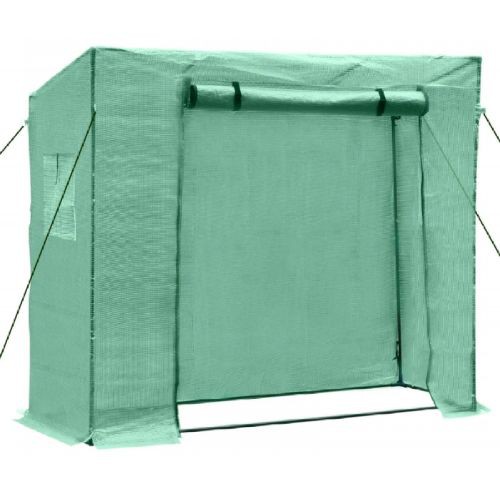
First things first, let's quickly go over what a PE greenhouse is. PE stands for polyethylene, which is a type of plastic. PE greenhouses are made from a polyethylene film that's stretched over a frame, usually made of metal or wood. They're popular because they're relatively inexpensive, easy to install, and can be customized to fit different sizes and shapes. You can check out some of our great options like the Walk In Pe Greenhouse, Sturdy Green House, and Garden Green House.
Initial Transparency
When you first install a PE greenhouse, the polyethylene film is typically very transparent. This is great news for your plants because it allows a large amount of sunlight to enter the greenhouse. The high transparency at the beginning ensures that your plants get the light they need for photosynthesis, which is essential for their growth and development.
The initial transparency of a PE greenhouse can vary depending on the quality of the polyethylene film. Higher - quality films tend to have better clarity and transparency right from the start. Some premium films can have a transparency rate of over 90%, which means that more than 90% of the sunlight can pass through the film and reach your plants.
Factors Affecting Transparency Over Time
However, the transparency of a PE greenhouse doesn't stay the same forever. There are several factors that can cause the transparency to decrease over time.
1. Weather Conditions
One of the biggest factors is the weather. Exposure to sunlight, especially ultraviolet (UV) rays, can cause the polyethylene film to degrade. UV rays break down the chemical bonds in the plastic, which can lead to a yellowing or clouding of the film. This reduces the amount of light that can pass through.
Rain, snow, and hail can also have an impact. Heavy rain can carry dirt and debris onto the surface of the film, which can block sunlight. Snow and hail can cause physical damage to the film, creating scratches or holes that can affect transparency.
2. Dust and Dirt
Over time, dust, dirt, and other airborne particles will accumulate on the surface of the PE greenhouse. This buildup acts like a barrier, preventing sunlight from reaching your plants. Even a thin layer of dust can significantly reduce the amount of light that penetrates the film.
3. Chemical Exposure
If the greenhouse is located near industrial areas or places where chemicals are used, the polyethylene film can be exposed to harmful chemicals. These chemicals can react with the plastic, causing it to become opaque or brittle. For example, some agricultural chemicals like pesticides and fertilizers can have a negative impact on the film if they come into contact with it.
4. Age of the Film
As the polyethylene film ages, its physical properties change. The plastic becomes less flexible and more prone to cracking and tearing. These physical changes can also lead to a decrease in transparency.
How Transparency Changes Over the Years
In the first year or two, the transparency of a PE greenhouse may not change very much, especially if it's made from a high - quality film and is well - maintained. However, after a few years, you'll start to notice a gradual decline in transparency.
By the third or fourth year, the film may start to show signs of yellowing or clouding. This can reduce the transparency by 10 - 20%. As the years go on, the decline becomes more significant. After five to seven years, the transparency could be reduced by 30 - 50% or more, depending on the environmental conditions and how well the greenhouse has been cared for.
Maintaining Transparency
The good news is that there are steps you can take to maintain the transparency of your PE greenhouse over time.
1. Regular Cleaning
One of the simplest things you can do is to clean the greenhouse regularly. Use a soft brush or a gentle stream of water to remove dust, dirt, and debris from the surface of the film. You can also use a mild soap solution to clean stubborn stains. Just make sure to rinse the film thoroughly afterward to avoid leaving any soap residue.
2. UV Protection
To protect the polyethylene film from UV damage, you can use UV - stabilized films. These films are treated with additives that absorb or reflect UV rays, reducing the amount of damage caused by sunlight. Some greenhouse films also come with a built - in UV inhibitor that can extend the lifespan of the film and maintain its transparency.
3. Proper Installation and Maintenance
Make sure the greenhouse is installed correctly to prevent physical damage. Check the frame regularly for any signs of rust or damage, as this can cause the film to tear or become misaligned. If you notice any holes or tears in the film, repair them immediately to prevent further damage.
Why Transparency Matters
You might be wondering why transparency is such a big deal. Well, sunlight is the primary source of energy for plants. The more sunlight that can enter the greenhouse, the better your plants will grow. Adequate sunlight helps plants produce food through photosynthesis, which is essential for their overall health, growth, and productivity.
If the transparency of your greenhouse decreases significantly, your plants may not get enough light. This can lead to stunted growth, weak plants, and lower yields. In some cases, it can even cause plants to die.
Conclusion
So, there you have it! The transparency of a PE greenhouse does change over time, but with proper care and maintenance, you can slow down the decline and keep your plants happy and healthy. As a PE greenhouse supplier, I'm always here to help you choose the right greenhouse for your needs and provide you with tips on how to maintain it.
If you're interested in purchasing a PE greenhouse or have any questions about our products, feel free to reach out. We're eager to discuss your requirements and help you find the perfect solution for your gardening needs. Let's work together to create a thriving greenhouse environment for your plants!
References
- "Plastic Greenhouse Films: Properties and Performance" by various authors in the Journal of Horticultural Science and Biotechnology.
- "The Effects of Environmental Factors on Polyethylene Greenhouse Films" from Agricultural Engineering Research Reports.


