

As a supplier of pop up greenhouses, I understand the importance of keeping these structures well - insulated during the winter months. A well - insulated pop up greenhouse can protect your plants from the harsh winter cold, allowing them to thrive even when the temperatures outside plummet. In this blog, I will share some effective ways on how to insulate a pop up greenhouse in winter.
Understand Your Pop Up Greenhouse
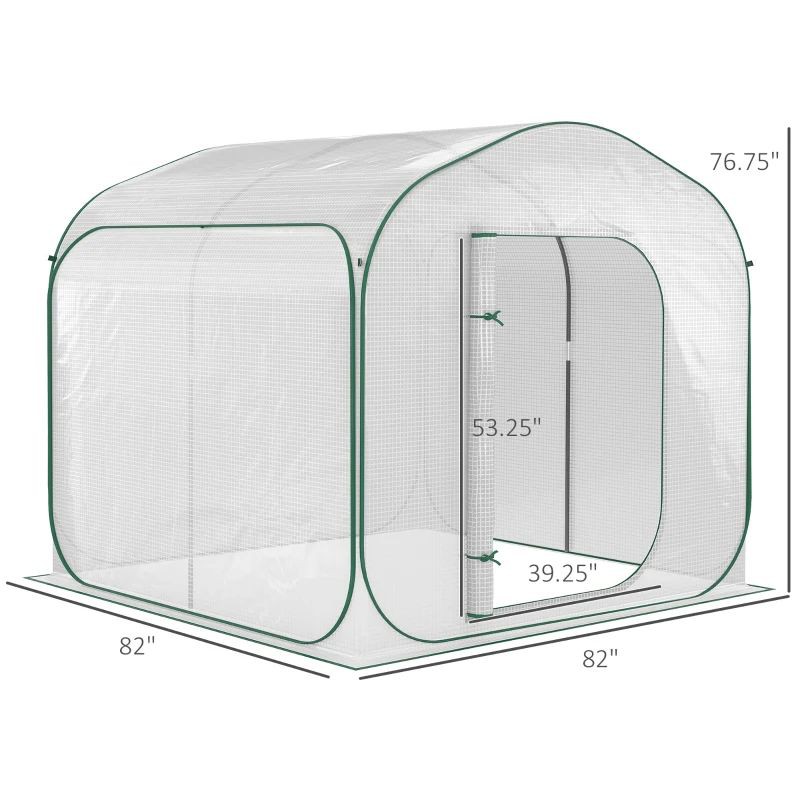
Before we dive into insulation methods, it's crucial to understand the type of pop up greenhouse you have. We offer different sizes, including Large Pop Up Greenhouse and Small Pop Up Greenhouse. The size of the greenhouse will influence the amount of insulation material you need and the overall insulation strategy.
Larger greenhouses generally have more volume to heat and insulate, which means you may need more insulation materials. Smaller greenhouses, on the other hand, are easier to manage in terms of insulation but still require proper attention to keep the heat in.
The Winter Pop Up Greenhouse is specifically designed to withstand colder temperatures, but additional insulation can still enhance its performance.
Choose the Right Insulation Materials
There are several types of insulation materials that can be used for pop up greenhouses in winter.
Bubble Wrap
Bubble wrap is a popular and cost - effective insulation material. It works by creating an air pocket between the bubbles, which acts as a barrier to heat transfer. You can attach bubble wrap to the inside of the greenhouse walls using tape or clips. Make sure the bubbles face towards the greenhouse interior. This will help trap warm air and prevent it from escaping.
Insulation Blankets
Insulation blankets are another great option. They are made of thick, heat - retaining materials such as fiberglass or polyester. These blankets can be draped over the outside or inside of the greenhouse. When using them outside, ensure they are properly secured to prevent them from being blown away by strong winds. Inside the greenhouse, insulation blankets can be hung on the walls or laid on the ground.

Straw Bales
Straw bales are a natural and inexpensive insulation option. They can be stacked around the perimeter of the greenhouse to create an additional layer of insulation. Straw bales are porous, which allows them to absorb and release moisture, helping to regulate the humidity inside the greenhouse. However, they need to be protected from getting wet to prevent mold growth.
Seal Air Leaks
Air leaks can significantly reduce the effectiveness of your insulation. Check your pop up greenhouse for any gaps or holes in the structure. Common areas where air leaks occur include the seams, doors, and windows.
Use weatherstripping to seal the edges of doors and windows. Weatherstripping is available in various materials such as foam, rubber, or vinyl. Apply it to the frames to create a tight seal when the doors and windows are closed.
For seams, you can use silicone caulk or tape to seal any small gaps. Make sure the surfaces are clean and dry before applying the caulk or tape for a better seal.
Utilize Thermal Mass
Thermal mass refers to materials that can absorb, store, and release heat over time. Incorporating thermal mass into your pop up greenhouse can help regulate the temperature.
Water barrels are a great example of thermal mass. Fill large barrels with water and place them inside the greenhouse. During the day, the water absorbs heat from the sun. At night, as the temperature drops, the water releases the stored heat, helping to keep the greenhouse warmer.
Rocks and bricks can also be used as thermal mass. Stack them in a sunny corner of the greenhouse. They will absorb heat during the day and radiate it back into the greenhouse at night.
Install a Heating System
In extremely cold climates, an additional heating system may be necessary to keep your pop up greenhouse warm. There are several types of heating systems available.
Electric Heaters
Electric heaters are easy to install and use. They come in various sizes and wattages, allowing you to choose one that suits the size of your greenhouse. However, they can be relatively expensive to operate, especially if used for long periods.
Propane Heaters
Propane heaters are more powerful than electric heaters and can heat larger greenhouses more effectively. They are also portable, which is convenient if you need to move the heater around. However, they require proper ventilation to prevent the buildup of carbon monoxide.
Solar Heaters
Solar heaters are an eco - friendly option. They use solar energy to heat the air, which is then circulated inside the greenhouse. Solar heaters are cost - effective in the long run as they do not require any fuel or electricity to operate. However, their efficiency depends on the amount of sunlight available.
Use a Mulch Layer
A mulch layer on the greenhouse floor can also help with insulation. Mulch acts as a barrier between the cold ground and the plants, reducing heat loss through the floor.
You can use organic mulches such as straw, leaves, or wood chips. Spread a layer of mulch about 2 - 3 inches thick on the ground. Organic mulches not only insulate the soil but also add nutrients to it as they decompose.
Monitor the Temperature and Humidity
To ensure that your insulation efforts are working effectively, it's important to monitor the temperature and humidity inside the greenhouse. You can use a thermometer and a hygrometer to measure these parameters.
Keep the temperature inside the greenhouse within the optimal range for the plants you are growing. Different plants have different temperature requirements, so make sure to research the specific needs of your plants.
Maintaining the right humidity level is also crucial. High humidity can lead to the growth of mold and mildew, while low humidity can cause the plants to dry out. You can use a dehumidifier or a humidifier to adjust the humidity level as needed.
Conclusion
Insulating a pop up greenhouse in winter is essential to protect your plants and ensure their healthy growth. By understanding your greenhouse type, choosing the right insulation materials, sealing air leaks, utilizing thermal mass, installing a heating system if necessary, using a mulch layer, and monitoring the temperature and humidity, you can create a warm and comfortable environment for your plants.
If you are interested in purchasing a pop up greenhouse or need more information about winter insulation solutions, feel free to reach out to us for a procurement discussion. We are here to help you make the best choices for your gardening needs.
References
- "The Greenhouse Gardener's Companion" by Sharon Askew
- "Greenhouse Gardening for Beginners" by Barbara Pleasant
- "Winter Gardening in the Maritime Northwest" by Steve Solomon


