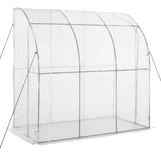
Insulation plays a crucial role in various aspects of greenhouse management, and one of its significant contributions is in reducing the spread of plant diseases. As a supplier of Insulated Greenhouse, I have witnessed firsthand how proper insulation can create a more controlled environment that inhibits the proliferation and spread of plant diseases. In this blog, I will delve into the mechanisms through which insulation helps in this regard and highlight its importance for greenhouse growers.
Temperature Regulation
One of the primary functions of insulation in a greenhouse is to regulate temperature. Plant diseases are often influenced by temperature, and many pathogens thrive within specific temperature ranges. By maintaining a stable temperature within the greenhouse, insulation can create an environment that is less favorable for the growth and spread of these pathogens.
For example, some fungal diseases, such as powdery mildew, are more likely to develop in warm and humid conditions. Insulation can help to prevent rapid temperature fluctuations, which can lead to condensation and increased humidity levels. By keeping the temperature within a narrow range, the risk of fungal infections can be significantly reduced.
Moreover, insulation can also protect plants from extreme temperature changes, such as cold snaps or heatwaves. Sudden temperature drops can weaken plants, making them more susceptible to diseases. Insulation helps to buffer these temperature changes, providing a more stable and comfortable environment for plant growth.
Humidity Control
In addition to temperature regulation, insulation also plays a vital role in controlling humidity levels within the greenhouse. High humidity can create a breeding ground for many plant diseases, as it provides the moisture that pathogens need to survive and reproduce.

Insulation helps to reduce humidity by preventing the entry of outside air, which may be more humid. It also helps to retain heat, which can evaporate excess moisture from the soil and plant surfaces. By maintaining a lower humidity level, the risk of diseases such as botrytis (gray mold) and downy mildew can be minimized.
Furthermore, insulation can also help to prevent the formation of condensation on the greenhouse walls and roof. Condensation can drip onto plants, creating a moist environment that is ideal for disease development. By reducing condensation, insulation can help to keep plants dry and healthy.
Air Circulation
Proper air circulation is essential for preventing the spread of plant diseases in a greenhouse. Insulation can help to improve air circulation by creating a more sealed environment. This allows for better control of the airflow within the greenhouse, which can help to remove stale air and prevent the buildup of pathogens.
Insulated greenhouses often have ventilation systems that are designed to work in conjunction with the insulation. These systems can help to regulate the temperature, humidity, and air quality within the greenhouse. By ensuring that the air is constantly moving, the risk of diseases spreading through the air can be reduced.
Physical Barrier
Insulation also acts as a physical barrier against the entry of pests and pathogens. It can prevent insects, birds, and other animals from entering the greenhouse, which can carry diseases. Additionally, insulation can also block the entry of dust, pollen, and other airborne particles that may contain pathogens.
By creating a physical barrier, insulation can help to reduce the risk of diseases being introduced into the greenhouse. This is particularly important for growers who are using organic or sustainable farming methods, as they rely on natural methods of pest and disease control.
Case Studies
To illustrate the effectiveness of insulation in reducing the spread of plant diseases, let's look at some case studies.

A greenhouse grower in [Location] was experiencing significant problems with powdery mildew in their [Crop] plants. The grower decided to install insulation in their greenhouse to improve temperature and humidity control. After the installation, the grower noticed a significant reduction in the incidence of powdery mildew. The insulation helped to maintain a more stable temperature and humidity level, which made the environment less favorable for the growth and spread of the pathogen.
Another greenhouse grower in [Location] was dealing with a severe outbreak of botrytis in their [Crop] plants. The grower installed insulation and a ventilation system in their greenhouse to improve air circulation and reduce humidity. Within a few weeks, the grower noticed a significant improvement in the health of their plants. The insulation helped to prevent the buildup of humidity and the spread of the disease.
Conclusion
In conclusion, insulation plays a crucial role in reducing the spread of plant diseases in a greenhouse. By regulating temperature, controlling humidity, improving air circulation, and acting as a physical barrier, insulation can create a more controlled environment that is less favorable for the growth and spread of pathogens.
As a supplier of Insulated Greenhouse, I highly recommend that greenhouse growers consider installing insulation in their facilities. Not only will it help to reduce the risk of plant diseases, but it will also improve the overall efficiency and productivity of their operations.
If you are interested in learning more about the benefits of insulation for your greenhouse or would like to discuss your specific needs, please feel free to contact us. We would be happy to provide you with more information and help you find the right insulation solution for your greenhouse.
References
- [List any relevant scientific papers, books, or other sources of information here]