

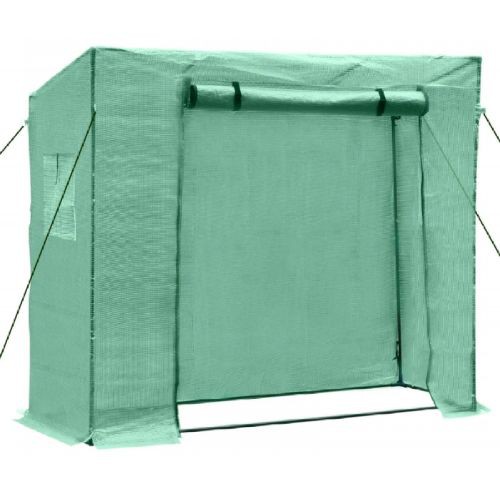
Hey there! As a supplier of walk-in PE greenhouses, I often get asked about the floor surface inside these greenhouses. It's a crucial aspect that can significantly impact your experience, whether you're a hobby gardener or a professional grower. So, let's dive into what the floor surface in a walk-in PE greenhouse is like.
First off, the floor in a walk-in PE greenhouse can vary depending on your personal preferences and the intended use of the greenhouse. One of the most common options is bare ground. Many people choose to leave the ground as it is inside the greenhouse. This has its advantages. For starters, it's the most natural option. Plants can grow directly in the soil, and they can access the natural nutrients and microorganisms present in the ground. It also gives you a more traditional gardening feel, and you don't have to worry about installing any additional flooring materials.
However, there are also some drawbacks to having a bare - ground floor. One of the main issues is that it can get muddy, especially if you over - water your plants or if there's a lot of rain. Walking around in a muddy greenhouse can be a real hassle, and it can also track dirt outside the greenhouse. Another problem is that bare ground can harbor pests and weeds. Weeds can compete with your plants for nutrients and water, and pests can damage your crops.
If you're not a fan of the bare - ground option, you might consider using gravel. Gravel is a popular choice for greenhouse floors. It provides good drainage, which is essential in a greenhouse where you want to avoid waterlogging. Water can quickly seep through the gravel, preventing puddles from forming. This is great for the health of your plants, as it reduces the risk of root rot.
Walking on gravel is also relatively easy. It gives you a stable surface to move around on, and it doesn't get as muddy as bare ground. Plus, gravel is relatively inexpensive and easy to install. You can simply spread it out over the ground inside the greenhouse. However, gravel does have some downsides. It can be a bit hard on your feet if you're spending a lot of time walking around in the greenhouse. And over time, the gravel can shift and become uneven, which might make it a bit tricky to move large items like pots or trays.
Another option is using wooden planks. Wooden floors can add a warm and inviting feel to your greenhouse. They're comfortable to walk on, and they can make the greenhouse feel more like an extension of your home. Wooden planks can also be easily customized to fit the shape and size of your greenhouse. You can cut them to the right length and arrange them in different patterns.
However, wood requires some maintenance. It can rot if it gets too wet, so you need to make sure the greenhouse has good ventilation and that water doesn't pool on the floor. You might also need to treat the wood to protect it from pests and decay. And wooden floors can be more expensive than gravel or bare ground, both in terms of the materials and the installation.
Concrete is another possibility, although it's less common in small walk - in PE greenhouses. Concrete is extremely durable and provides a very stable surface. It's easy to clean, and it can withstand heavy foot traffic and the weight of large equipment. If you're planning to use the greenhouse for commercial purposes or if you have a lot of heavy machinery, concrete might be a good choice.
But concrete has its drawbacks too. It's very expensive to install, especially if you're doing it yourself. It also doesn't provide any insulation, which means the floor can get very cold in the winter. And once it's installed, it's difficult to change or modify.
Now, let's talk about some synthetic options. There are various types of synthetic flooring materials available for greenhouses. For example, you can use rubber mats. Rubber mats are soft and comfortable to walk on, which is great if you're going to be spending long hours in the greenhouse. They also provide good traction, so you're less likely to slip.
Rubber mats are easy to clean and maintain. You can simply wipe them down with a damp cloth. And they're resistant to water, so they won't rot or warp. However, rubber mats can be a bit pricey, and they might not be as aesthetically pleasing as some of the other options.
Another synthetic option is using plastic sheeting. Plastic sheeting is inexpensive and easy to install. You can lay it directly on the ground to create a barrier between the soil and your feet. It helps to prevent weeds from growing and can also reduce the amount of dirt and mud. But plastic sheeting doesn't provide much in terms of stability, and it can tear easily if you're not careful.
As a supplier of Walk In Pe Greenhouse, I've seen customers have great success with different floor options. It really depends on your specific needs and budget. If you're looking for a low - cost, natural option, bare ground or gravel might be the way to go. If you want something more comfortable and easy to maintain, rubber mats or wooden planks could be better choices.
If you're interested in our Garden Green House or Sturdy Green House, we have a wide range of options to suit your requirements. Whether you're a beginner gardener or an experienced pro, we can help you find the perfect greenhouse and the right floor surface for it.
If you're thinking about purchasing a walk - in PE greenhouse and need more advice on the floor surface or any other aspect of greenhouse gardening, don't hesitate to reach out. We're here to help you make the best decisions for your gardening needs. Contact us to start a conversation about your greenhouse project, and let's work together to create the perfect growing environment for your plants.

References
- "The Greenhouse Gardener's Companion" by Shane Smith
- "Greenhouse Gardening for Beginners" by Lisa Mason Ziegler


