A lean-to greenhouse is a practical and efficient addition to any garden or property, offering a controlled environment for growing plants year-round. As a supplier of lean-to greenhouses, I've had the opportunity to work with numerous customers, each with unique needs and garden layouts. One of the most common questions I receive is, "What is the best location for a lean-to greenhouse?" In this blog post, I'll share some insights and considerations to help you determine the ideal spot for your lean-to greenhouse.

Sunlight Exposure
Sunlight is the lifeblood of any greenhouse, providing the energy plants need for photosynthesis. When choosing a location for your lean-to greenhouse, prioritize areas that receive ample sunlight throughout the day. In the Northern Hemisphere, south-facing walls are typically the best choice, as they receive the most sunlight year-round. A south-facing lean-to greenhouse will capture sunlight from morning until evening, maximizing the growing potential of your plants.
If a south-facing location isn't available, east-facing or west-facing walls can also work well. East-facing greenhouses receive morning sunlight, which is often cooler and less intense, making them suitable for plants that prefer milder conditions. West-facing greenhouses, on the other hand, receive afternoon sunlight, which can be hotter and more intense, making them ideal for heat-loving plants.
Avoid placing your lean-to greenhouse on a north-facing wall, as it will receive very little direct sunlight, especially during the winter months. Without sufficient sunlight, your plants may struggle to grow and thrive, and you may need to supplement with artificial lighting, which can increase your energy costs.
Protection from the Elements
In addition to sunlight, your lean-to greenhouse should be protected from harsh weather conditions, such as strong winds, heavy rain, and snow. Wind can damage the structure of your greenhouse and cause it to sway or even collapse, while heavy rain and snow can accumulate on the roof, putting additional stress on the frame.
When selecting a location, look for areas that are sheltered from the prevailing winds. This could be near a building, fence, or row of trees that can act as a windbreak. If possible, position your greenhouse so that it is perpendicular to the direction of the wind, which will help to reduce the wind load on the structure.
It's also important to consider the drainage in the area where you plan to install your greenhouse. Avoid low-lying areas that are prone to flooding, as standing water can damage the foundation of your greenhouse and lead to mold and mildew growth. Instead, choose a location with good drainage, or consider installing a French drain or other drainage system to redirect water away from the greenhouse.
Accessibility and Convenience
Another important factor to consider when choosing a location for your lean-to greenhouse is accessibility and convenience. You'll need to be able to easily access your greenhouse to tend to your plants, water them, and harvest your crops. Make sure the location is close to your house or other main living areas, so you can quickly and easily check on your plants throughout the day.
You'll also want to consider the proximity of your greenhouse to a water source. Most plants require regular watering, so having a nearby hose or irrigation system will make it easier to keep your plants hydrated. If possible, choose a location that is close to an outdoor faucet or water spigot, or consider installing a rain barrel or other water collection system to provide a sustainable source of water for your greenhouse.

In addition to water, you'll also need to have access to electricity if you plan to use any electrical equipment in your greenhouse, such as fans, heaters, or grow lights. Make sure the location you choose is within reach of an electrical outlet, or consider having an electrician install a dedicated circuit for your greenhouse.
Space and Size
The size and layout of your lean-to greenhouse will also play a role in determining the best location. Make sure you have enough space to accommodate the size of the greenhouse you want to install, as well as any additional equipment or storage you may need. You'll also want to consider the height of the greenhouse, as taller greenhouses may require more clearance and may need to be positioned away from overhanging branches or other obstacles.
When planning the layout of your greenhouse, think about how you want to use the space. Do you plan to grow a variety of plants, or will you focus on a specific type of crop? Will you need space for benches, shelves, or other growing equipment? Make sure you leave enough room for easy movement and access within the greenhouse, so you can work comfortably and efficiently.
Types of Lean-to Greenhouses
As a lean-to greenhouse supplier, I offer a variety of options to suit different needs and budgets. Here are some of the types of lean-to greenhouses I carry:
- Wall Leaning Greenhouse: These greenhouses are designed to lean against an existing wall, such as a house or garage. They are a popular choice for homeowners who want to maximize their growing space without taking up too much yard space. Wall leaning greenhouses are typically easy to install and can be customized to fit the size and style of your home.
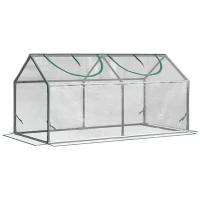
- Small Plastic Lean To Greenhouse: These greenhouses are made from lightweight plastic materials, such as polycarbonate or polyethylene. They are affordable, easy to assemble, and provide a good amount of growing space for small plants and seedlings. Small plastic lean to greenhouses are a great option for beginners or those with limited space.
- Small Lean To Greenhouse: These greenhouses are similar to small plastic lean to greenhouses, but they are typically made from more durable materials, such as metal or wood. They offer a more permanent and sturdy solution for growing plants, and they can be customized to fit your specific needs and preferences.
Conclusion
Choosing the best location for your lean-to greenhouse is an important decision that can have a significant impact on the success of your plants. By considering factors such as sunlight exposure, protection from the elements, accessibility and convenience, space and size, you can find the perfect spot for your greenhouse and create a thriving growing environment for your plants.
If you're interested in purchasing a lean-to greenhouse, I encourage you to contact us for more information. Our team of experts can help you choose the right greenhouse for your needs and provide you with all the information and support you need to get started. We look forward to working with you to create your dream greenhouse!
References
- Hartmann, H. T., Kester, D. E., Davies, F. T., & Geneve, R. L. (2011). Plant Propagation: Principles and Practices. Pearson Prentice Hall.
- Resh, H. M. (2013). Hydroponic Food Production: A Definitive Guidebook for the Advanced Home Gardener and the Commercial Hydroponic Grower. CRC Press.
- Smith, R. (2015). The Greenhouse Gardener's Companion: Growing Food and Flowers in Your Greenhouse All Year Round. Storey Publishing.