Hey there! I'm a supplier of small home greenhouses, and today I wanna talk about what it takes to start worm farming in a small home greenhouse. It's a pretty cool and eco - friendly way to manage your organic waste and get some great soil amendments. Let's dive right in!
1. Location and Space
First off, you need to pick the right spot for your worm farm in the greenhouse. The temperature inside the Small Home Greenhouse should be relatively stable. Worms like it between 55°F and 77°F (13°C - 25°C). You don't want a spot that gets too hot in the summer or too cold in the winter.
As for space, you don't need a ton of room. A small area, say a few square feet, can work just fine. You can use a simple worm bin, which can be placed on the floor or on a shelf in your greenhouse. Just make sure it's not in direct sunlight all day long, as that can heat up the bin too much.
2. Worm Bin Setup
The worm bin is the heart of your worm farm. You can buy a pre - made bin or make one yourself. If you're DIY - inclined, you can use a plastic storage container. Drill some holes in the bottom for drainage and a few on the sides for ventilation.
Fill the bin with bedding material. Shredded newspaper, cardboard, or coconut coir are great options. Moisten the bedding so it's damp but not soaking wet. Worms need a moist environment to breathe through their skin.
3. Choosing the Right Worms
Not all worms are suitable for worm farming. The most common types used are red wigglers (Eisenia fetida). They're great at breaking down organic matter and reproducing quickly. You can buy them from a local bait shop or an online worm supplier.
When you first introduce the worms to the bin, start with a small amount, maybe a pound or two. Let them get acclimated to their new home. They'll start munching on the bedding and any food scraps you add.


4. Feeding the Worms
Worms are not picky eaters, but there are some things they like and some they don't. They love fruit and vegetable scraps, coffee grounds, tea bags, and crushed eggshells. Avoid feeding them meat, dairy, and oily foods, as these can attract pests and create a bad smell.
Feed the worms in small amounts. You don't want to over - feed them, as this can lead to a build - up of uneaten food, which can rot and create an unhealthy environment. A good rule of thumb is to add a small handful of food scraps every few days.
5. Moisture and Aeration
Maintaining the right moisture level is crucial for the health of your worms. Check the bedding regularly. If it's too dry, spray it with some water. If it's too wet, add some dry bedding material.
Aeration is also important. You can gently stir the bedding every once in a while to let in some air. This helps prevent the bin from becoming anaerobic, which can lead to a foul smell.
6. Harvesting Worm Castings
After a few months, your worms will have turned the bedding and food scraps into worm castings, which are a great natural fertilizer. You can harvest the castings by pushing the contents of the bin to one side and adding fresh bedding and food to the other side. The worms will migrate to the new food source, leaving the castings behind. You can then collect the castings and use them in your garden.
7. Pest and Disease Management
Just like any other farming activity, worm farming can face some pest and disease issues. Common pests include fruit flies, mites, and ants. To prevent fruit flies, cover your food scraps with a layer of bedding. For mites, make sure the bin isn't too wet. If you have an ant problem, you can try placing the bin on a stand with the legs in cups of water to create a barrier.
Diseases are less common but can still occur. If you notice sick or dead worms, remove them immediately to prevent the spread of disease.
8. The Role of the Greenhouse
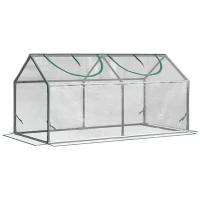
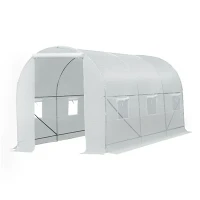
Your Small Garden Greenhouse or Mini Garden Greenhouse plays a vital role in worm farming. It protects the worms from extreme weather conditions. In the winter, it can keep them warm, and in the summer, it can provide some shade.
The greenhouse also allows you to control the environment more easily. You can adjust the temperature and humidity levels to create the perfect conditions for your worms.
If you're interested in starting your own worm farm in a small home greenhouse, I'd love to help you out. I can provide you with the right greenhouse for your needs. Whether you're a beginner or an experienced gardener, our greenhouses are designed to make your worm - farming experience a success. Just reach out to us, and we can have a chat about your requirements and how we can assist you in getting started.
References
- "Worms Eat My Garbage" by Mary Appelhof
- Various online resources on worm farming and greenhouse gardening.