In the realm of gardening, a lean - to greenhouse stands as a remarkable solution for those aiming to extend their growing season, nurture delicate plants, and create a mini - ecosystem right next to their homes. As a provider of high - quality lean - to greenhouses, I understand that the design of such a structure is not a one - size - fits - all approach. It requires careful thought and consideration of multiple factors to ensure that it meets the specific needs of each gardener. This blog will delve into the key design considerations for a lean - to greenhouse.
Location and Orientation
The first step in designing a lean - to greenhouse is selecting the ideal location. The greenhouse should be attached to a building that receives ample sunlight throughout the day. South - facing walls are generally the best choice in the Northern Hemisphere, while north - facing walls work well in the Southern Hemisphere. This orientation allows the greenhouse to capture the maximum amount of sunlight, which is crucial for plant growth.
In addition to sunlight, the location should also be sheltered from strong winds. High winds can cause damage to the greenhouse structure and disrupt the internal microclimate. Placing the greenhouse near a fence or a row of trees can provide some protection. However, make sure that the surrounding structures do not cast too much shade on the greenhouse.
Size and Space
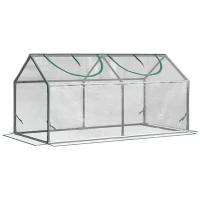
Determining the size of the lean - to greenhouse depends on several factors, such as the available space, the types and quantity of plants you plan to grow, and your long - term gardening goals. If you are a beginner or have limited space, a Small Lean To Greenhouse might be the perfect choice. These smaller greenhouses are more cost - effective, easier to manage, and can still provide enough space for a variety of herbs, vegetables, or flowers.
On the other hand, if you are an experienced gardener with a large collection of plants or plan to grow crops on a larger scale, a bigger greenhouse will be necessary. Consider the height of the greenhouse as well. Taller greenhouses allow for the growth of larger plants and provide better air circulation.
Structure and Materials
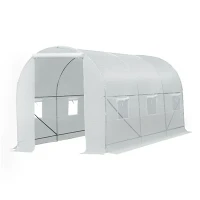
The structure of the lean - to greenhouse is another critical design consideration. There are several options available, including wooden, aluminum, and metal frames. Metal Frame Greenhouse is a popular choice due to its durability, strength, and resistance to corrosion. Metal frames can withstand harsh weather conditions and provide a stable support for the covering material.
The covering material also plays an important role. Common options include glass, polycarbonate, and polyethylene plastic. Glass is a traditional choice that offers excellent light transmission and durability. However, it is heavy and more expensive. Polycarbonate is a lightweight and shatter - resistant alternative that provides good insulation and UV protection. Polyethylene plastic is the most affordable option, but it has a shorter lifespan and may need to be replaced more frequently. For those on a budget, a Small Plastic Lean To Greenhouse can be a practical solution.
Ventilation
Proper ventilation is essential for maintaining a healthy environment inside the lean - to greenhouse. Without adequate air circulation, the temperature and humidity can become too high, leading to the growth of mold, mildew, and pests. There are several ways to incorporate ventilation into the design.
One option is to install vents on the roof and sides of the greenhouse. These vents can be opened and closed manually or automatically, depending on the temperature and humidity levels. Another option is to use a fan system to circulate the air. Fans can help to distribute the heat evenly and remove stale air from the greenhouse.
Heating and Cooling
Depending on your climate and the types of plants you grow, you may need to consider heating and cooling systems for your lean - to greenhouse. In colder climates, a heating system can help to maintain a suitable temperature for plant growth during the winter months. Common heating options include electric heaters, gas heaters, and radiant heating systems.
In warmer climates, a cooling system is necessary to prevent the greenhouse from becoming too hot. Shade cloths can be used to reduce the amount of sunlight and heat entering the greenhouse. Evaporative coolers and exhaust fans are also effective ways to lower the temperature.
Irrigation
A reliable irrigation system is crucial for the success of your plants in the lean - to greenhouse. There are several types of irrigation systems available, such as drip irrigation, soaker hoses, and overhead sprinklers. Drip irrigation is a popular choice because it delivers water directly to the roots of the plants, reducing water waste and preventing the growth of mold and mildew.
When designing the irrigation system, consider the layout of the greenhouse and the water requirements of your plants. Make sure that the system is easy to install, maintain, and adjust as needed.
Shelving and Benches
Shelving and benches can maximize the use of space in the lean - to greenhouse and provide a convenient place to grow and display your plants. You can choose from a variety of materials, such as wood, metal, or plastic. When designing the shelving and benches, consider the weight capacity, durability, and ease of cleaning.
Arrange the shelving and benches in a way that allows for easy access to your plants and provides enough space for you to move around inside the greenhouse. You can also use vertical space by adding hanging baskets or wall - mounted planters.
Accessibility
The lean - to greenhouse should be easily accessible for you to tend to your plants, perform maintenance tasks, and harvest your crops. Make sure that the door is wide enough to allow you to move in and out comfortably, especially if you need to carry large pots or equipment.
Consider adding a pathway or a small deck in front of the greenhouse for easy entry. The interior of the greenhouse should also be well - organized and free of obstacles to allow for smooth movement.
Aesthetics
While functionality is the primary concern, the aesthetics of the lean - to greenhouse should not be overlooked. A well - designed greenhouse can enhance the appearance of your home and garden. Choose a style and color that complement the existing architecture of your home. You can also add some decorative elements, such as window boxes or trellises, to make the greenhouse more visually appealing.
In conclusion, designing a lean - to greenhouse requires a comprehensive consideration of multiple factors, from location and size to ventilation and aesthetics. As a lean - to greenhouse supplier, we are committed to providing you with the best products and solutions to meet your specific needs. Whether you are a novice gardener or a seasoned horticulturist, we can help you create a functional and beautiful greenhouse that will allow you to enjoy gardening all year round.


If you are interested in purchasing a lean - to greenhouse or have any questions about our products, please feel free to contact us. We are more than happy to discuss your requirements and assist you in making the right choice for your garden.
References:
- "The Greenhouse Gardener's Companion" by Sharon Askew
- "Greenhouse Gardening for Beginners" by Barbara Pleasant