Hey there, fellow gardening enthusiasts! I'm a supplier of PE greenhouses, and I've seen firsthand how a well - managed PE greenhouse can turn into a thriving oasis of plants. One of the most crucial aspects of running a successful PE greenhouse is nutrient management. In this blog, I'll share some tips and tricks on how to manage nutrients in a PE greenhouse effectively.
Understanding the Basics of Nutrients in a PE Greenhouse
First things first, let's talk about the essential nutrients that plants need. These are divided into macronutrients and micronutrients. Macronutrients like nitrogen (N), phosphorus (P), and potassium (K) are needed in large quantities. Nitrogen is great for leafy growth, phosphorus helps with root development and flower production, and potassium is key for overall plant health and stress resistance.
Micronutrients, on the other hand, are required in smaller amounts. These include iron, zinc, manganese, and others. Even though they're needed in tiny quantities, they're just as important for proper plant growth.
In a PE greenhouse, the environment is a bit different from the outdoors. The enclosed space means that the natural nutrient cycling might not work as effectively. So, we need to take steps to ensure that our plants are getting all the nutrients they need.
Soil Testing: The First Step
Before you even start planting in your PE greenhouse, it's a good idea to test the soil. You can buy a simple soil testing kit from a gardening store or send a sample to a professional lab. The results will tell you what nutrients are lacking or in excess in your soil.
For instance, if the test shows that your soil is low in nitrogen, you'll know that you need to add a nitrogen - rich fertilizer. On the flip side, if there's too much phosphorus, you might need to adjust your fertilizing routine to avoid over - fertilization.
Choosing the Right Fertilizers
Once you know what your soil needs, it's time to choose the right fertilizers. There are two main types: organic and synthetic.
Organic fertilizers, like compost, manure, and bone meal, are derived from natural sources. They release nutrients slowly over time, which is great for long - term soil health. They also improve the soil structure, making it more porous and better at holding water and nutrients.
Synthetic fertilizers, on the other hand, are made in a factory. They're usually more concentrated and can provide a quick boost of nutrients to your plants. However, they can also lead to salt buildup in the soil if used excessively.
As a PE greenhouse supplier, I often recommend a combination of both. Start with a good layer of organic matter in your soil, and then use synthetic fertilizers as a supplement when your plants need an extra boost.
Fertilization Schedule
Establishing a fertilization schedule is crucial. Different plants have different nutrient requirements at different stages of their growth. For example, seedlings need a lot of phosphorus for root development, while mature plants might need more nitrogen for lush foliage.
In general, I'd recommend fertilizing your plants once every two to three weeks during the growing season. But always refer to the specific requirements of the plants you're growing. Some plants, like tomatoes, are heavy feeders and will need more frequent fertilization.
Watering and Nutrient Uptake
Water plays a huge role in nutrient management. When you water your plants in the PE greenhouse, you're not only hydrating them but also helping them absorb nutrients. The water dissolves the nutrients in the soil, making them available for the plant roots to take up.
It's important to water your plants properly. Over - watering can lead to nutrient leaching, where the nutrients are washed out of the soil and lost. Under - watering, on the other hand, can prevent the plants from taking up the nutrients they need.
A good rule of thumb is to water your plants when the top inch of soil feels dry to the touch. Use a soaker hose or a drip irrigation system to ensure that the water is delivered directly to the roots, minimizing waste.
Monitoring Plant Health
Keep a close eye on your plants. Signs of nutrient deficiency or excess can show up in various ways. For example, yellowing leaves might indicate a nitrogen deficiency, while purple - tinged leaves could be a sign of phosphorus deficiency.
If you notice any unusual symptoms, take a closer look at your fertilization and watering practices. You might need to adjust the amount or type of fertilizer you're using.


pH Levels in the Soil
The pH level of the soil also affects nutrient availability. Most plants prefer a slightly acidic to neutral pH (around 6.0 - 7.0). If the pH is too high or too low, some nutrients can become unavailable to the plants, even if they're present in the soil.
You can test the soil pH using a testing kit. If the pH is off, you can adjust it using lime to raise the pH or sulfur to lower it. But be careful not to over - correct, as sudden changes in pH can also stress the plants.
Importance of a Good PE Greenhouse
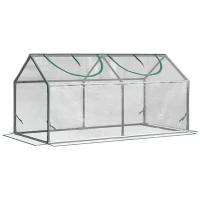
Now, I want to briefly talk about the role of a good PE greenhouse in nutrient management. A high - quality Garden Green House provides a stable environment for your plants. It protects them from extreme weather conditions and pests, which can affect nutrient uptake.
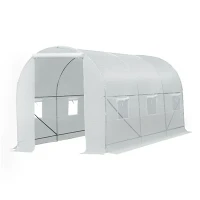
Our Sturdy Green House is designed to be durable and energy - efficient. It helps maintain the right temperature and humidity levels, which are essential for proper nutrient absorption by the plants. And if you need more space to grow your plants, our Walk In Pe Greenhouse is a great option. It gives you easy access to your plants for watering, fertilizing, and monitoring.
Contact for Procurement
If you're interested in our PE greenhouses or have any questions about nutrient management in a greenhouse, feel free to reach out. We're here to help you create the perfect growing environment for your plants. Whether you're a beginner gardener or an experienced horticulturist, our team can provide you with the best advice and products.
References
- "The Vegetable Gardener's Bible" by Edward C. Smith
- "Teaming with Microbes" by Jeff Lowenfels and Wayne Lewis
So, there you have it! Managing nutrients in a PE greenhouse might seem a bit daunting at first, but with the right knowledge and a little practice, you'll be on your way to growing healthy, vibrant plants.