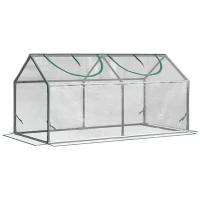
Hey there, fellow gardening enthusiasts! I'm stoked to share my knowledge on how to make a cold frame with a lattice top. As a cold frame supplier, I've seen firsthand how these nifty structures can extend your growing season and protect your plants. So, let's dive right in!
Why Choose a Cold Frame with a Lattice Top?
First off, you might be wondering why a lattice top. Well, it's a game - changer! A lattice top allows for better air circulation compared to a solid - covered cold frame. This means your plants are less likely to suffer from mold and mildew, which can be a real pain in the neck for gardeners. Plus, it provides a bit of shade on those scorching sunny days. You can still get plenty of sunlight through the lattice, but it's diffused, preventing your plants from getting sunburned.
Materials You'll Need
Before we start building, let's gather the materials. You'll need some lumber. I recommend using pressure - treated wood because it'll last longer, especially when exposed to the elements. You'll also need a saw to cut the wood to size, a drill, and some screws. For the lattice, you can find pre - made lattice panels at your local hardware store. They're usually made of wood or vinyl. You'll also need some hinges to attach the lattice top to the frame, and a latch to keep it closed. Oh, and don't forget some nails or staples to secure the lattice to the frame.
Step 1: Measure and Cut the Lumber
The first step is to measure and cut the lumber. Decide on the size of your cold frame. A common size is about 3 feet by 6 feet, but you can make it bigger or smaller depending on your needs. Cut four pieces of lumber for the sides of the frame. Make sure the corners are square. You can use a carpenter's square to check.
Step 2: Assemble the Frame
Once you've cut the lumber, it's time to assemble the frame. Use the drill and screws to attach the pieces of lumber together at the corners. Make sure the joints are tight. This is the foundation of your cold frame, so you want it to be sturdy.
Step 3: Attach the Lattice
Now, it's time to add the lattice top. Place the lattice panel on top of the frame and mark where you'll attach the hinges. Drill holes for the hinges and attach them to the frame and the lattice panel. Make sure the lattice can open and close smoothly. Then, use nails or staples to secure the lattice to the frame around the edges.
Step 4: Add the Latch
To keep the lattice top closed, you'll need to add a latch. Attach one part of the latch to the frame and the other part to the lattice panel. This will prevent the top from blowing open in strong winds.
Step 5: Place Your Cold Frame
Once your cold frame is built, find a good spot for it in your garden. It should be in a sunny area, but also protected from strong winds. You can place it directly on the ground or on a raised bed. Make sure it's level so that water doesn't pool inside.
Using Your Cold Frame
Now that your cold frame is ready, you can start using it. You can start seeds earlier in the spring because the cold frame traps heat and keeps the soil warm. You can also grow cool - season crops like lettuce, spinach, and radishes in the fall and winter. Just open the lattice top on warm days to let in fresh air and close it at night to keep the heat in.
Benefits of Our Cold Frames
As a cold frame supplier, we offer a wide range of cold frames. We have the Outdoor Greenhouse for Winter, which is perfect for those harsh winter months. It's built to withstand the cold and keep your plants cozy. If you're looking to combine a greenhouse with a cold frame, check out our Greenhouse with Cold Frame. It's a great option for year - round gardening. And if you have a balcony, our Balcony Cold Frame is just the thing. It's compact and easy to set up.


Why Buy from Us?
Our cold frames are made from high - quality materials. We take pride in our craftsmanship, and we know that a well - built cold frame can last for years. We also offer great customer service. If you have any questions about our products or need help with installation, our team is here to assist you.
Let's Talk!
If you're interested in purchasing a cold frame or have any questions, don't hesitate to reach out. We're always happy to have a chat with fellow gardeners and help you find the perfect cold frame for your needs. Whether you're a beginner or a seasoned pro, a cold frame can make a big difference in your gardening experience.
References
- "The Vegetable Gardener's Container Bible" by Edward C. Smith
- "Rodale's Ultimate Encyclopedia of Organic Gardening"