Growing herbs in a traditional greenhouse is a rewarding endeavor that combines the joys of gardening with the practicality of year - round cultivation. As a traditional greenhouse supplier, I've witnessed firsthand the transformative power of these structures in herb gardening. In this blog, I'll share some essential tips on how to grow herbs successfully in a traditional greenhouse.
Selecting the Right Greenhouse
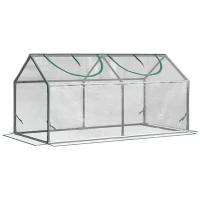
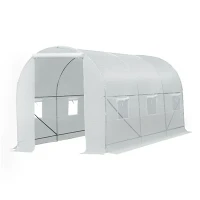
Before you start planting herbs, it's crucial to choose the appropriate greenhouse. Our Traditional Greenhouse is an excellent choice for herb cultivation. It provides a stable environment that protects herbs from harsh weather conditions, pests, and diseases.
The 8mm Polycarbonate Greenhouse offers superior insulation, which is beneficial for maintaining a consistent temperature inside the greenhouse. This is especially important for herbs that are sensitive to temperature fluctuations. On the other hand, the 6mm Polycarbonate Greenhouse is a more budget - friendly option that still provides good protection and light transmission.
Choosing the Herbs
When selecting herbs for your greenhouse, consider your personal preferences and the intended use of the herbs. Some popular herbs for greenhouse cultivation include basil, mint, parsley, thyme, and rosemary.
Basil is a warm - loving herb that thrives in a greenhouse environment. It requires plenty of sunlight and well - drained soil. Mint, on the other hand, is a more resilient herb that can tolerate a wider range of conditions. However, it can be invasive, so it's best to plant it in a container. Parsley is a biennial herb that prefers cooler temperatures and partial shade. Thyme and rosemary are drought - tolerant herbs that require full sun and well - drained soil.
Preparing the Soil
The quality of the soil is crucial for the growth of herbs. A well - drained, fertile soil is ideal. You can use a commercial potting mix or create your own by combining equal parts of peat moss, perlite, and vermiculite.
Before planting, it's a good idea to add some organic matter to the soil, such as compost or well - rotted manure. This will improve the soil structure and provide essential nutrients for the herbs. You can also add a slow - release fertilizer to the soil to ensure a steady supply of nutrients throughout the growing season.

Planting the Herbs
When planting herbs in a greenhouse, you can start them from seeds or purchase seedlings from a nursery. If you're starting from seeds, follow the instructions on the seed packet for the correct planting depth and spacing.
For seedlings, dig a hole in the soil that is slightly larger than the root ball of the plant. Gently remove the plant from its container and place it in the hole. Fill in the hole with soil and gently firm it around the base of the plant. Water the newly planted herbs thoroughly.
Watering and Fertilizing
Proper watering is essential for the health of herbs. Herbs generally prefer to be kept evenly moist but not waterlogged. Overwatering can lead to root rot, while underwatering can cause the herbs to wilt and die.

In a greenhouse, the humidity levels can be higher than outside, so it's important to monitor the soil moisture regularly. You can use a moisture meter to determine when the soil needs watering. As a general rule, water the herbs when the top inch of soil feels dry.
Fertilizing is also important for the growth of herbs. You can use a balanced liquid fertilizer every two to three weeks during the growing season. Be careful not to over - fertilize, as this can lead to excessive growth and a decrease in the flavor of the herbs.
Controlling Pests and Diseases
One of the advantages of growing herbs in a greenhouse is that it provides some protection against pests and diseases. However, pests such as aphids, whiteflies, and spider mites can still find their way into the greenhouse.
To control pests, you can use natural methods such as introducing beneficial insects like ladybugs or using insecticidal soaps. You can also keep the greenhouse clean and free of debris to prevent pests from breeding.
Diseases such as powdery mildew and root rot can also affect herbs in a greenhouse. To prevent diseases, make sure the greenhouse has good ventilation to reduce humidity levels. Avoid overhead watering, as this can spread diseases. If you notice any signs of disease, remove the affected plants immediately to prevent the spread.
Pruning and Harvesting
Regular pruning is important for the health and productivity of herbs. Pruning helps to promote bushier growth and prevent the herbs from becoming leggy. You can prune the herbs by pinching off the tips of the stems or by cutting back the entire plant by one - third.
Harvesting herbs at the right time is also crucial. For most herbs, the best time to harvest is in the morning after the dew has dried. This is when the herbs have the highest concentration of essential oils, which gives them their flavor and aroma.
When harvesting, use sharp scissors or pruning shears to cut the stems just above a set of leaves. Avoid harvesting more than one - third of the plant at a time to ensure its continued growth.
Maintaining the Greenhouse
Proper maintenance of the greenhouse is essential for the long - term success of your herb garden. Regularly clean the greenhouse to remove dirt, debris, and any dead plants. This will help to prevent the spread of pests and diseases.
Check the greenhouse structure regularly for any signs of damage, such as cracks in the polycarbonate panels or loose frames. Repair any damage immediately to ensure the integrity of the greenhouse.
In addition, make sure the greenhouse has proper ventilation. You can install vents or fans to circulate the air and regulate the temperature and humidity levels.

Conclusion
Growing herbs in a traditional greenhouse is a wonderful way to enjoy fresh, flavorful herbs year - round. By following these tips, you can create a thriving herb garden in your greenhouse. Whether you're a beginner or an experienced gardener, our range of greenhouses, including the 8mm Polycarbonate Greenhouse, Traditional Greenhouse, and 6mm Polycarbonate Greenhouse, can provide the perfect environment for your herbs.

If you're interested in purchasing a greenhouse for your herb garden, I encourage you to contact us for more information and to discuss your specific needs. We're here to help you make the most of your greenhouse and achieve a successful herb - growing experience.
References
- Smith, J. (2020). The Complete Guide to Greenhouse Gardening. Gardening Press.
- Johnson, A. (2019). Herbs: Cultivation and Use. Botanical Books.