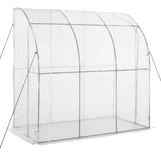
Hey there, fellow greenhouse enthusiasts! I'm a supplier of low tunnel greenhouses, and I know firsthand how crucial it is to control humidity in these structures. Maintaining the right humidity levels can make a huge difference in the health and productivity of your plants. In this blog post, I'll share some tips and tricks on how to control humidity in a low tunnel greenhouse.
Why is Humidity Control Important?
Before we dive into the methods of humidity control, let's first understand why it's so important. Humidity refers to the amount of moisture in the air. In a low tunnel greenhouse, the humidity levels can fluctuate significantly due to factors such as temperature changes, plant transpiration, and watering.
High humidity can create a breeding ground for pests and diseases, such as powdery mildew and botrytis. It can also lead to poor air circulation, which can cause stunted growth and reduced yields. On the other hand, low humidity can cause plants to wilt, dry out, and become more susceptible to stress.
By controlling the humidity levels in your low tunnel greenhouse, you can create a more stable and healthy environment for your plants. This can lead to better growth, higher yields, and fewer problems with pests and diseases.
Factors Affecting Humidity in a Low Tunnel Greenhouse
Before we discuss the methods of humidity control, it's important to understand the factors that can affect humidity levels in a low tunnel greenhouse. Here are some of the main factors:
- Temperature: Temperature and humidity are closely related. As the temperature rises, the air can hold more moisture, which can lead to an increase in humidity. Conversely, as the temperature drops, the air can hold less moisture, which can lead to a decrease in humidity.
- Plant transpiration: Plants release moisture into the air through a process called transpiration. The amount of moisture released depends on factors such as the type of plant, the size of the plant, and the environmental conditions.
- Watering: Watering your plants can also increase the humidity levels in your low tunnel greenhouse. This is especially true if you use overhead watering methods, which can cause water to evaporate into the air.
- Ventilation: Proper ventilation is essential for controlling humidity levels in a low tunnel greenhouse. By allowing fresh air to circulate, you can remove excess moisture from the air and prevent the buildup of humidity.
- Insulation: The type and quality of insulation in your low tunnel greenhouse can also affect humidity levels. Good insulation can help to maintain a more stable temperature and reduce the amount of moisture that escapes from the greenhouse.
Methods of Humidity Control
Now that we understand the factors that can affect humidity levels in a low tunnel greenhouse, let's discuss some of the methods of humidity control. Here are some of the most effective methods:
Ventilation
Proper ventilation is one of the most important methods of humidity control in a low tunnel greenhouse. By allowing fresh air to circulate, you can remove excess moisture from the air and prevent the buildup of humidity. Here are some tips for improving ventilation in your low tunnel greenhouse:
- Install vents: Install vents in your low tunnel greenhouse to allow fresh air to enter and stale air to exit. You can use manual vents or automated vents, depending on your needs and budget.
- Use fans: Fans can help to improve air circulation in your low tunnel greenhouse. You can use exhaust fans to remove hot, humid air from the greenhouse or circulation fans to distribute fresh air evenly throughout the greenhouse.
- Open the doors: Opening the doors of your low tunnel greenhouse can also help to improve ventilation. This is especially effective during the day when the temperature is higher and the humidity levels are likely to be higher.
Watering
Watering your plants is essential for their growth and health, but it can also increase the humidity levels in your low tunnel greenhouse. Here are some tips for watering your plants without increasing the humidity levels too much:
- Use drip irrigation: Drip irrigation is a more efficient way to water your plants because it delivers water directly to the roots. This can help to reduce the amount of water that evaporates into the air and increase the humidity levels.
- Water in the morning: Watering your plants in the morning can help to reduce the humidity levels in your low tunnel greenhouse. This is because the temperature is usually lower in the morning, and the plants have more time to dry before the temperature rises.
- Avoid overhead watering: Overhead watering can cause water to evaporate into the air and increase the humidity levels. If you need to use overhead watering, try to do it early in the morning or late in the evening when the temperature is lower.
Dehumidifiers
Dehumidifiers are devices that remove moisture from the air. They can be an effective way to control humidity levels in a low tunnel greenhouse, especially in areas with high humidity or during the rainy season. Here are some tips for using dehumidifiers in your low tunnel greenhouse:
- Choose the right size: Make sure you choose a dehumidifier that is the right size for your low tunnel greenhouse. The size of the dehumidifier will depend on the size of the greenhouse, the number of plants, and the humidity levels.
- Place the dehumidifier in the right location: Place the dehumidifier in a location where it can effectively remove moisture from the air. This is usually in the center of the greenhouse or near the areas where the humidity levels are highest.
- Empty the water tank regularly: Dehumidifiers collect water in a tank, which needs to be emptied regularly. Make sure you empty the tank before it overflows to prevent damage to the dehumidifier.
Insulation
Insulation can help to maintain a more stable temperature and reduce the amount of moisture that escapes from the greenhouse. This can help to control humidity levels in a low tunnel greenhouse. Here are some tips for insulating your low tunnel greenhouse:
- Choose the right insulation material: There are many different types of insulation materials available, such as bubble wrap, fiberglass, and foam board. Choose an insulation material that is suitable for your low tunnel greenhouse and your climate.
- Install the insulation properly: Make sure you install the insulation properly to ensure that it is effective. This may involve sealing any gaps or cracks in the greenhouse and attaching the insulation to the walls and roof.
- Maintain the insulation: Insulation can lose its effectiveness over time, especially if it is damaged or wet. Make sure you inspect the insulation regularly and replace it if necessary.
Conclusion
Controlling humidity levels in a low tunnel greenhouse is essential for the health and productivity of your plants. By understanding the factors that affect humidity levels and using the methods of humidity control discussed in this blog post, you can create a more stable and healthy environment for your plants.
If you're interested in purchasing a low tunnel greenhouse, check out our Low Tunnel Greenhouse options. We also offer Outdoor Tunnel Greenhouse and Backyard Greenhouse for Winter solutions to meet your specific needs.


If you have any questions or would like to discuss your greenhouse requirements, feel free to reach out to us. We're here to help you create the perfect greenhouse for your plants.
References
- "Greenhouse Gardening: A Beginner's Guide." Gardening Know How.
- "Humidity Control in Greenhouses." University of Connecticut Extension.
- "The Importance of Ventilation in Greenhouses." Michigan State University Extension.