Certainly! Here is an English blog about growing turnips in a mini garden greenhouse:
Can I grow turnips in a mini garden greenhouse?
As a supplier of mini garden greenhouses, I often get asked whether it's possible to grow turnips in these small yet versatile structures. The answer is a resounding yes! In this blog, I'll explore the feasibility of growing turnips in a mini garden greenhouse, the benefits it offers, and the steps you need to take for a successful harvest.
Why Choose a Mini Garden Greenhouse for Turnips?
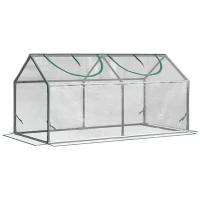
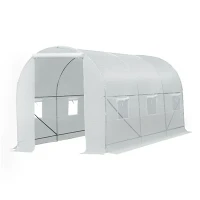
Mini garden greenhouses, such as the ones available at Mini Garden Greenhouse, offer several advantages for growing turnips. Firstly, they provide a controlled environment. Turnips prefer cool temperatures, typically between 50°F and 65°F (10°C - 18°C). A mini greenhouse allows you to regulate the temperature, protecting the turnips from extreme heat or cold. This is especially useful during the off - season when outdoor conditions may not be suitable for turnip growth.
Secondly, these greenhouses protect turnips from pests and diseases. Insects and other pests can quickly damage turnip crops in an open garden. The enclosed space of a mini greenhouse acts as a barrier, reducing the risk of infestations. Additionally, it can help prevent the spread of fungal diseases that are often exacerbated by wet and windy outdoor conditions.
Another benefit is the ability to extend the growing season. With a Small Outdoor Greenhouse for Winter, you can start planting turnips earlier in the spring and continue growing them later into the fall or even winter. This gives you a longer period to enjoy fresh, home - grown turnips.
Preparing the Mini Greenhouse for Turnip Planting
Before planting turnips, you need to prepare your mini garden greenhouse properly. First, choose a suitable location for the greenhouse. It should receive at least 6 hours of sunlight per day, as turnips need adequate light for photosynthesis. If possible, place the greenhouse in a spot that is sheltered from strong winds.
Next, clean the greenhouse thoroughly. Remove any debris, old plants, or soil from previous crops. This helps prevent the spread of diseases from one season to the next. You can use a mild bleach solution to disinfect the interior surfaces of the greenhouse.
Prepare the soil inside the greenhouse. Turnips grow best in well - drained, fertile soil with a pH between 6.0 and 7.5. You can add compost or well - rotted manure to the soil to improve its fertility and texture. Mix the amendments thoroughly with the existing soil to a depth of about 8 - 10 inches.


Planting Turnips in the Mini Greenhouse
Turnip seeds can be sown directly into the prepared soil in the mini greenhouse. Make shallow furrows about 1/4 to 1/2 inch deep and space them about 12 inches apart. Place the seeds in the furrows, spacing them about 1 - 2 inches apart. Then, cover the seeds lightly with soil and gently water them.
It's important to keep the soil consistently moist but not waterlogged during the germination period, which usually takes about 3 - 10 days. You can use a fine - mist sprayer to water the seeds to avoid disturbing them.
Once the seedlings emerge, thin them out to ensure proper spacing. For most turnip varieties, thin the seedlings to about 3 - 4 inches apart. This allows each plant enough space to grow and develop a healthy root system.
Caring for Turnips in the Mini Greenhouse
Proper care is essential for a successful turnip harvest in the mini greenhouse. Watering is crucial, especially during dry periods. Turnips need about 1 - 1.5 inches of water per week. However, be careful not to over - water, as this can lead to root rot. You can check the soil moisture by inserting your finger into the soil up to the second knuckle. If the soil feels dry at that depth, it's time to water.
Fertilizing is also important. You can apply a balanced fertilizer, such as a 10 - 10 - 10 formula, about 3 - 4 weeks after planting. Follow the instructions on the fertilizer package for the correct application rate. Over - fertilizing can result in excessive leaf growth at the expense of root development, so it's important to use the right amount.
Monitoring the temperature inside the greenhouse is vital. If the temperature gets too high, you can open the vents or doors of the greenhouse to allow for ventilation. This helps prevent the plants from overheating and reduces the risk of fungal diseases. On the other hand, if the temperature drops too low, you may need to provide additional insulation, such as a thermal blanket.
Harvesting Turnips from the Mini Greenhouse
Most turnip varieties are ready for harvest in about 30 - 60 days after planting, depending on the variety and growing conditions. You can start harvesting turnips when they reach a desirable size, usually about 2 - 3 inches in diameter. Use a garden fork or trowel to gently loosen the soil around the turnips and pull them out carefully.
When harvesting, it's best to do it in the morning when the turnips are at their freshest. You can leave some of the smaller turnips in the ground to continue growing if you prefer larger vegetables.
Conclusion
In conclusion, growing turnips in a mini garden greenhouse is not only possible but also highly rewarding. With a Small Garden Greenhouse, you can enjoy a longer growing season, protect your turnip plants from pests and diseases, and have more control over the growing environment. Whether you're a beginner gardener or an experienced horticulturist, a mini greenhouse provides an excellent opportunity to grow your own fresh turnips.
If you're interested in purchasing a mini garden greenhouse for your turnip - growing project or any other gardening needs, I encourage you to reach out for a procurement discussion. We can provide you with detailed information about our products, help you choose the right greenhouse for your requirements, and offer support throughout your gardening journey.
References
- "The Vegetable Gardener's Bible" by Edward C. Smith
- "Rodale's Ultimate Encyclopedia of Organic Gardening" by Fern Marshall Bradley, Barbara W. Ellis, and the Editors of Rodale's Organic Life