Sure, carnivorous plants are super cool, right? I mean, plants that eat bugs! It's like something outta a sci - fi movie. And if you're thinking about growing these bad boys in a small home greenhouse, well, you've come to the right place. I'm a supplier of small home greenhouses, and I've got a lot to share with you.
First off, let's talk about why a small home greenhouse is a great idea for carnivorous plants. These plants are often native to very specific environments. For example, the Venus Flytrap hails from the wetlands of North and South Carolina. In the wild, they get a certain amount of sunlight, humidity, and nutrient - poor soil. A small home greenhouse can mimic those conditions way better than just keeping them on your windowsill.
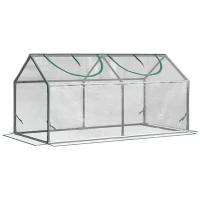
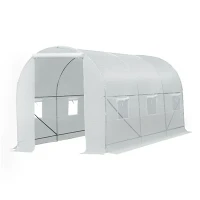
The small home greenhouse acts like a little bubble of a perfect environment. You can control the temperature, humidity, and light. With a Small Metal Greenhouse, you've got a sturdy structure that can protect your carnivorous plants from harsh weather outside. It's like a little fortress for your plant babies. And if you're short on space, a Mini Green House is just the ticket. It can fit in a small corner of your backyard or even on a balcony.
Now, let's dig into the types of carnivorous plants you can grow. There are a few popular ones like the Venus Flytrap, Pitcher Plants, and Sundews. The Venus Flytrap is probably the most well - known. Its jaws snap shut when an unsuspecting bug lands on it. Pitcher plants, on the other hand, have these tube - like structures filled with digestive fluids. Bugs are lured in and then can't escape. Sundews have sticky tentacles that trap insects.
When it comes to growing these plants in a small home greenhouse, the key is getting the environment just right. Light is super important. Most carnivorous plants need a good amount of bright, indirect light. In a Small Garden Greenhouse, you can position your plants in the spots where they'll get the best light. You might need to use some shade cloth during the really hot parts of the day to prevent the plants from getting scorched.
Humidity is another big factor. Carnivorous plants love high humidity. You can increase the humidity in your small home greenhouse by placing a tray of water inside. As the water evaporates, it adds moisture to the air. You can also mist the plants regularly, but be careful not to over - do it. Over - watering can lead to root rot, which is a death sentence for these plants.
Soil is also crucial. Carnivorous plants need soil that's low in nutrients. Regular potting soil won't cut it. You can use a mix of sphagnum moss and perlite. This type of soil drains well and doesn't have all the extra nutrients that these plants don't need. Since they get their nutrients from the bugs they eat, they don't want a lot of stuff in the soil.


Feeding your carnivorous plants is a bit of a unique thing. In a small home greenhouse, they might not have as many bugs flying around as they would in the wild. You can feed them small insects like fruit flies or ants. But don't over - feed them. One or two bugs a week is usually enough for most carnivorous plants.
Now, let's talk about the potential challenges. One of the biggest challenges is pests. Just because your plants eat bugs doesn't mean they're immune to pests. Aphids, spider mites, and fungus gnats can all be a problem. You can use natural pest control methods like neem oil or introducing beneficial insects like ladybugs.
Another challenge is disease. Fungal diseases can be a real issue, especially if the humidity is too high or the air circulation is poor. Make sure your small home greenhouse has good ventilation. You can open the doors and windows on nice days to let fresh air in.
If you're interested in starting your own carnivorous plant collection in a small home greenhouse, I'm here to help. I've got a wide range of small home greenhouses to suit your needs. Whether you're a beginner or a seasoned plant enthusiast, I can provide you with the perfect greenhouse for your carnivorous plants. If you're thinking about making a purchase or just want to learn more, feel free to reach out. We can have a chat about your specific requirements and find the best greenhouse for you.
In conclusion, growing carnivorous plants in a small home greenhouse is definitely doable. With the right environment, a bit of care, and the right greenhouse from us, you can have a thriving collection of these amazing plants. So, what are you waiting for? Dive into the world of carnivorous plants and give them a home in a small home greenhouse.
References:
- "The Savage Garden: Cultivating Carnivorous Plants" by Peter D'Amato
- Various research papers on carnivorous plant biology from botanical journals.