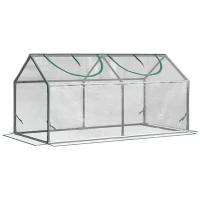
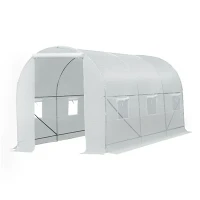
Hey there, fellow gardening enthusiasts! I'm a supplier of mini garden greenhouses, and I often get asked this question: "Can I grow bonsai in a mini garden greenhouse?" Well, let's dive right into it and find out.
First off, what exactly is a bonsai? Bonsai is an ancient Japanese art form that involves cultivating small trees in containers, creating a miniature representation of nature. These little trees require specific conditions to thrive, and that's where a mini garden greenhouse can come in handy.
Benefits of Using a Mini Garden Greenhouse for Bonsai
One of the biggest advantages of using a Mini Green House for bonsai is the ability to control the environment. Bonsai trees are sensitive to temperature, humidity, and light, and a mini greenhouse allows you to create the perfect conditions for them.
Temperature Control
Bonsai trees have different temperature requirements depending on the species. Some prefer cooler temperatures, while others thrive in warmer conditions. A mini greenhouse can help you maintain a consistent temperature, protecting your bonsai from extreme heat or cold. For example, during the winter months, a Small Outdoor Greenhouse for Winter can provide a warm and sheltered environment for your bonsai, preventing it from freezing.
Humidity Regulation
Humidity is another crucial factor for bonsai health. Most bonsai species prefer a relatively high humidity level, which can be difficult to achieve in a regular indoor environment. A mini greenhouse helps to trap moisture, creating a more humid atmosphere for your bonsai. You can also use a humidifier or place a tray of water inside the greenhouse to increase the humidity if needed.
Light Management
Proper light is essential for bonsai growth. While some bonsai species can tolerate low light conditions, most require bright, indirect sunlight. A mini greenhouse allows you to control the amount of light your bonsai receives. You can position the greenhouse in a location that gets the right amount of sunlight, or use shade cloth to protect your bonsai from excessive sunlight during the hottest part of the day.
Choosing the Right Mini Garden Greenhouse for Bonsai
When selecting a mini garden greenhouse for your bonsai, there are a few things to consider.
Size
The size of the greenhouse depends on how many bonsai trees you plan to grow and the space you have available. If you're just starting out with a few bonsai, a small Small Home Greenhouse might be sufficient. However, if you have a large collection of bonsai or plan to expand in the future, you'll need a larger greenhouse.
Material
Mini greenhouses are typically made from materials such as plastic, glass, or polycarbonate. Each material has its own advantages and disadvantages. Plastic greenhouses are lightweight, affordable, and easy to set up, but they may not be as durable as glass or polycarbonate. Glass greenhouses provide excellent light transmission and are very durable, but they can be heavy and expensive. Polycarbonate greenhouses are a good compromise between the two, offering good light transmission, durability, and insulation.
Ventilation
Proper ventilation is crucial in a mini greenhouse to prevent the buildup of heat and humidity, which can lead to fungal diseases and other problems. Look for a greenhouse with adjustable vents or fans to ensure good air circulation.
Caring for Bonsai in a Mini Garden Greenhouse
Once you've set up your mini greenhouse and placed your bonsai inside, it's important to take proper care of them.
Watering
Bonsai trees need to be watered regularly, but overwatering can be just as harmful as underwatering. The frequency of watering depends on the species of bonsai, the size of the pot, and the environmental conditions inside the greenhouse. Check the soil moisture regularly by sticking your finger about an inch into the soil. If it feels dry, it's time to water.
Fertilizing
Bonsai trees require regular fertilization to provide them with the nutrients they need to grow and thrive. Use a balanced bonsai fertilizer and follow the instructions on the package. Fertilize your bonsai during the growing season, usually from spring to fall.
Pruning and Shaping
Pruning and shaping are essential parts of bonsai care. Regular pruning helps to maintain the shape and size of the bonsai, as well as promote new growth. Use sharp, clean pruning shears and make clean cuts. Shaping can be done using wires or other techniques to train the branches into the desired shape.


Potential Challenges
While growing bonsai in a mini garden greenhouse has many benefits, there are also some potential challenges to be aware of.
Pests and Diseases
The warm and humid environment inside a greenhouse can attract pests such as aphids, spider mites, and whiteflies. It can also increase the risk of fungal diseases such as powdery mildew and root rot. To prevent pests and diseases, keep your greenhouse clean, remove any dead or diseased leaves, and use natural or chemical pest control methods if necessary.
Overcrowding
If you have too many bonsai trees in a small greenhouse, it can lead to overcrowding, which can affect the growth and health of the trees. Make sure to provide enough space between each bonsai to allow for proper air circulation and light penetration.
Conclusion
So, can you grow bonsai in a mini garden greenhouse? Absolutely! A mini garden greenhouse provides a controlled environment that can help your bonsai trees thrive. With the right greenhouse, proper care, and a little bit of patience, you can create a beautiful bonsai collection in your own backyard.
If you're interested in purchasing a mini garden greenhouse for your bonsai or other gardening needs, feel free to reach out to me. I'm here to help you find the perfect greenhouse for your situation and answer any questions you may have. Let's start growing together!
References
- "The Bonsai Handbook" by Harry Tomlinson
- "Miniature Greenhouses: Design, Construction, and Use" by Norman D. Lovejoy