

As a supplier of insulated greenhouses, I often get asked the question: "Can an insulated greenhouse prevent pests from entering?" This is a crucial query for anyone involved in greenhouse gardening, whether you're a hobbyist with a Backyard Greenhouse for Winter or a commercial grower using an Outdoor Tunnel Greenhouse or Low Tunnel Greenhouse. In this blog post, I'll explore the capabilities of insulated greenhouses in pest prevention and share some insights based on my experience in the industry.
Understanding Insulated Greenhouses
Insulated greenhouses are designed to maintain a stable internal environment, protecting plants from extreme weather conditions such as cold temperatures, strong winds, and heavy rain. They typically use materials like double - walled polycarbonate panels, insulated curtains, or high - quality plastic films to reduce heat loss. The insulation not only helps in conserving energy but also creates a more controlled microclimate for plant growth.
How Insulated Greenhouses Can Help Prevent Pests
Physical Barrier
One of the primary ways an insulated greenhouse can prevent pests from entering is by acting as a physical barrier. The walls and roof of the greenhouse create a separation between the outside environment and the plants inside. Insects, rodents, and larger pests find it difficult to penetrate the solid structure of the greenhouse. For example, aphids, which are common garden pests, cannot simply fly into the greenhouse as they would in an open garden. The sealed structure of an insulated greenhouse blocks their entry points, reducing the chances of an infestation.
Temperature and Humidity Control
Pests have specific temperature and humidity requirements for survival and reproduction. Insulated greenhouses allow growers to control these environmental factors. By maintaining a temperature and humidity range that is unfavorable for pests, you can significantly reduce their presence. For instance, many pests thrive in warm and humid conditions. If you keep the greenhouse slightly cooler and drier than the outside environment, it becomes an inhospitable place for these pests. This is especially important during the winter months when pests might seek shelter in warmer areas. With a Backyard Greenhouse for Winter, you can create an environment that is too cold for many pests to survive.
Reduced Exposure to External Sources
In an open garden, plants are constantly exposed to pests that come from neighboring fields, forests, or even from the wind. An insulated greenhouse reduces this exposure. Since the plants are enclosed, they are less likely to come into contact with pests that are carried by the wind or migrate from other areas. This isolation can be a significant advantage in pest prevention, especially for crops that are particularly susceptible to certain pests.
Limitations of Insulated Greenhouses in Pest Prevention
Entry Points
Despite being a physical barrier, insulated greenhouses still have potential entry points for pests. Doors, vents, and gaps in the structure can allow pests to enter. For example, if the door is left open for an extended period, insects can fly in. Similarly, poorly sealed vents can provide an access route for small pests. Regular maintenance and inspection of the greenhouse are essential to identify and seal these entry points.

Introduction with Plant Material
Pests can also be introduced into the greenhouse through infected plant material. When you bring new plants into the greenhouse, they may already be carrying pests or diseases. This is a common problem, especially if the plants are sourced from an area with a high pest population. It's crucial to quarantine new plants before introducing them to the main greenhouse and to inspect them thoroughly for any signs of pests or diseases.

Persistent Pests
Some pests are highly adaptable and persistent. They can find ways to enter the greenhouse or survive in the controlled environment. For example, spider mites are known to be able to tolerate a wide range of temperatures and can quickly establish a population in a greenhouse. These pests may require additional pest control measures even in an insulated greenhouse.
Strategies to Enhance Pest Prevention in Insulated Greenhouses
Integrated Pest Management (IPM)
IPM is a comprehensive approach to pest control that combines multiple strategies. In an insulated greenhouse, IPM can include physical, biological, and chemical control methods. Physical control methods involve using traps, barriers, and screens to prevent pests from entering or to capture them once they are inside. Biological control uses natural enemies of pests, such as ladybugs to control aphids. Chemical control should be used as a last resort and only when necessary, and it should be done in a way that minimizes harm to the environment and beneficial insects.

Regular Monitoring
Regular monitoring of the plants and the greenhouse environment is essential for early detection of pests. You can use sticky traps, visual inspections, and pheromone traps to monitor the pest population. By detecting pests early, you can take action before the infestation becomes severe. This can save you time, money, and the health of your plants.
Hygiene Practices
Maintaining good hygiene in the greenhouse is crucial for pest prevention. Remove any dead or diseased plant material promptly, as it can attract pests and provide a breeding ground for them. Clean the greenhouse regularly, including the floors, benches, and equipment. This helps to eliminate any pests or eggs that may be present in the greenhouse.
Conclusion
In conclusion, an insulated greenhouse can play a significant role in preventing pests from entering. Its physical barrier, temperature and humidity control, and reduced exposure to external sources make it a valuable tool for pest management. However, it is not a foolproof solution. There are limitations, such as entry points, the introduction of pests with plant material, and persistent pests. By implementing strategies like Integrated Pest Management, regular monitoring, and good hygiene practices, you can enhance the pest - prevention capabilities of your insulated greenhouse.
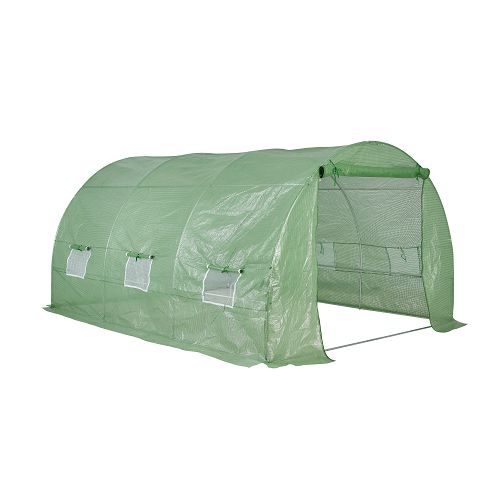
If you're interested in purchasing an insulated greenhouse for your gardening needs, whether it's a Low Tunnel Greenhouse, Outdoor Tunnel Greenhouse, or Backyard Greenhouse for Winter, I encourage you to get in touch for a detailed discussion. We can explore the best options for your specific requirements and help you create a pest - resistant growing environment.
References
- Smith, J. (2020). Greenhouse Gardening: A Comprehensive Guide. Publisher Name.
- Jones, R. (2019). Integrated Pest Management in Greenhouses. Journal of Horticultural Science.
- Brown, S. (2021). The Impact of Insulation on Greenhouse Environment and Pest Control. Agricultural Research Journal.


