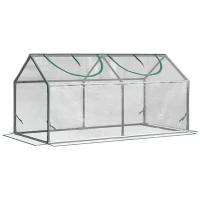
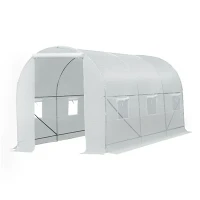
A high tunnel greenhouse, also known as a hoop house, is a simple yet effective structure that can extend the growing season for many crops. As a supplier of High Tunnel Greenhouse, I've often been asked if these structures can be used for mushroom cultivation. In this blog post, I'll explore the feasibility of using a high tunnel greenhouse for growing mushrooms, discussing the advantages, challenges, and key considerations.
Advantages of Using a High Tunnel Greenhouse for Mushroom Cultivation
1. Cost - Effective Solution
High tunnel greenhouses are generally more affordable to build and maintain compared to traditional mushroom growing facilities. They require less complex infrastructure, such as elaborate climate - control systems. This makes them an attractive option for small - scale mushroom growers or those just starting out in the business. With a relatively low initial investment, growers can test the market and develop their mushroom - growing skills without breaking the bank.
2. Flexibility
These greenhouses offer a great deal of flexibility. They can be easily modified to suit the specific needs of mushroom cultivation. For example, growers can adjust the internal layout, add shelves for growing bags, and install simple ventilation systems. Additionally, high tunnels can be used for other crops during the off - season, providing an opportunity for diversified farming.
3. Environmental Control
Although not as precise as a dedicated mushroom growing room, a high tunnel greenhouse can still provide a certain level of environmental control. The plastic covering helps to regulate temperature and humidity to some extent. During colder months, it can trap heat, while in warmer periods, proper ventilation can be used to cool the interior. This allows for a more stable growing environment compared to growing mushrooms outdoors.
4. Natural Light
Mushrooms don't require direct sunlight for growth, but some diffused light can be beneficial. A high tunnel greenhouse allows for the entry of natural light, which can enhance the overall health of the mushrooms and reduce the need for artificial lighting. This not only saves energy but also provides a more natural growing environment.
Challenges of Using a High Tunnel Greenhouse for Mushroom Cultivation
1. Temperature and Humidity Regulation
Maintaining the ideal temperature and humidity levels is crucial for mushroom growth. High tunnel greenhouses are more susceptible to external weather conditions compared to enclosed, climate - controlled facilities. During hot summer days, the temperature inside the tunnel can rise rapidly, and in winter, it may drop too low. Humidity can also be difficult to control, as it can fluctuate with changes in weather and ventilation. Growers need to invest in additional equipment, such as fans, misters, and heaters, to maintain the optimal environment.
2. Pests and Diseases
The relatively open nature of high tunnel greenhouses makes them more vulnerable to pests and diseases. Insects, rodents, and fungi can easily enter the structure, posing a threat to the mushroom crop. Growers need to implement strict pest management strategies, including regular monitoring, sanitation, and the use of organic or chemical pesticides when necessary.
3. Air Circulation
Proper air circulation is essential for mushroom growth, as it helps to remove carbon dioxide and supply fresh oxygen. In a high tunnel greenhouse, achieving uniform air circulation can be challenging. Dead spots may occur, leading to poor mushroom development and an increased risk of disease. Growers need to design and install effective ventilation systems to ensure adequate air movement throughout the growing area.


Key Considerations for Mushroom Cultivation in a High Tunnel Greenhouse
1. Mushroom Species Selection
Not all mushroom species are suitable for cultivation in a high tunnel greenhouse. Some species, such as oyster mushrooms and shiitake mushrooms, are more adaptable to the variable environmental conditions found in high tunnels. These species can tolerate a wider range of temperatures and humidity levels compared to more delicate varieties. Growers should research and select the mushroom species that are best suited to their local climate and the capabilities of their high tunnel greenhouse.
2. Growing Substrate
The choice of growing substrate is crucial for mushroom cultivation. Common substrates for mushrooms include straw, sawdust, and agricultural waste. The substrate needs to be properly prepared to provide the necessary nutrients and a suitable growing environment for the mushrooms. In a high tunnel greenhouse, the substrate should also be able to withstand the environmental conditions, such as temperature and humidity fluctuations.
3. Sanitation
Maintaining a clean and sanitary growing environment is essential to prevent the growth of pests and diseases. Growers should regularly clean the high tunnel greenhouse, including the floors, shelves, and growing equipment. The growing substrate should also be sterilized before use to eliminate any potential contaminants.
4. Monitoring and Record - Keeping
Regular monitoring of temperature, humidity, and other environmental parameters is essential for successful mushroom cultivation in a high tunnel greenhouse. Growers should keep detailed records of these measurements, as well as the growth and development of the mushrooms. This data can help them identify trends, make adjustments to the growing conditions, and improve their cultivation techniques over time.
Conclusion
In conclusion, a high tunnel greenhouse can be used for mushroom cultivation, but it comes with both advantages and challenges. With careful planning, proper equipment, and a good understanding of mushroom growing requirements, growers can successfully grow mushrooms in a high tunnel greenhouse. As a supplier of High Tunnel Greenhouse, I'm here to support growers in making the most of their high tunnel structures for mushroom cultivation.
If you're interested in exploring the possibility of using a high tunnel greenhouse for mushroom cultivation or have any questions about our products, I encourage you to reach out. We can discuss your specific needs, provide detailed information, and assist you in making the right decisions for your mushroom - growing venture. Contact us today to start the conversation and take the first step towards a successful mushroom cultivation operation.
References
- Royse, D. J., & Sanchez, J. (2010). The science and technology of edible mushroom production. In Mushroom Biology and Mushroom Products (pp. 1 - 34).
- Chang, S. T., & Miles, P. G. (2004). Mushrooms: cultivation, nutritional value, medicinal effect, and environmental impact. CRC Press.
- Flegg, P. B., & Wood, D. A. (1985). The biology and technology of the cultivated mushroom. Wiley.