Hey there, gardening enthusiasts! As a supplier of garden greenhouses, I often get asked if these greenhouses can be used in winter. Well, the short answer is yes, they can! But there's a bit more to it than that, so let's dive in and explore the ins and outs of using a garden greenhouse during the cold winter months.
First off, let's talk about why you'd even want to use a greenhouse in winter. Winter can be a tough time for plants. The cold temperatures, shorter days, and lack of sunlight can all take a toll on their growth. A greenhouse provides a controlled environment where you can protect your plants from the harsh winter elements. You can extend the growing season, start seedlings early for the spring, or even grow some cold-tolerant crops throughout the winter.
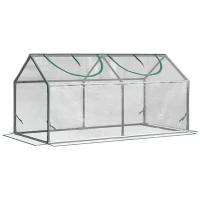
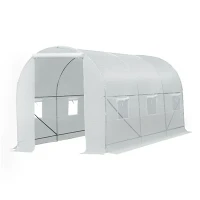
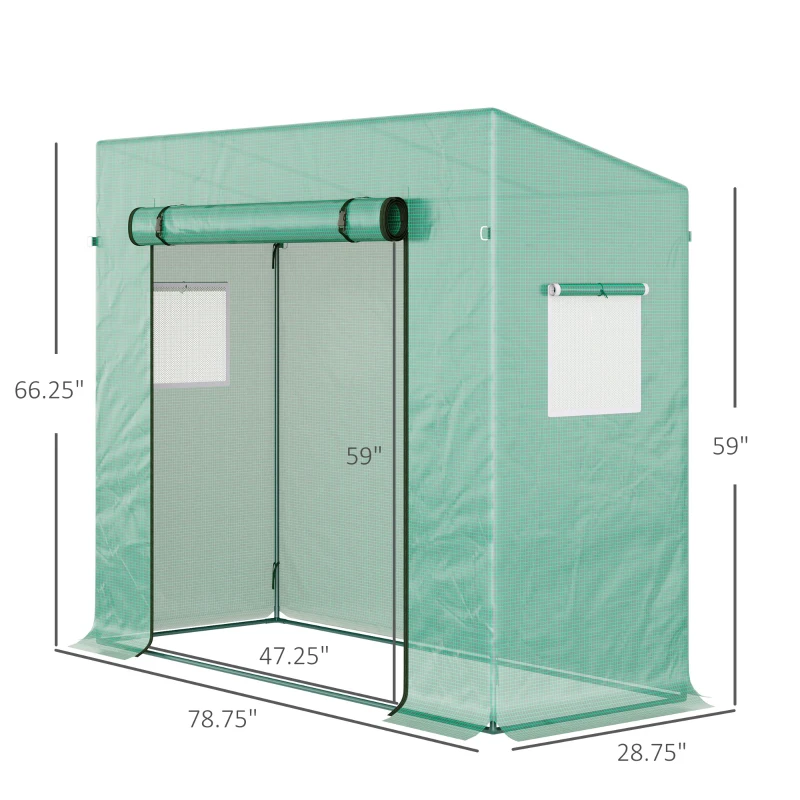
Now, when it comes to using a greenhouse in winter, the type of greenhouse you have matters. At our place, we offer a variety of greenhouses, like the Sturdy Green House, Garden Green House, and Walk In Pe Greenhouse. These greenhouses are designed to be durable and can withstand the winter weather.
The Sturdy Green House, for example, is built with high - quality materials that can handle snow and strong winds. Its sturdy frame keeps the structure intact even in harsh winter conditions. The Garden Green House is a great option for smaller spaces. It's easy to set up and can still provide a warm and protected environment for your plants. And the Walk In Pe Greenhouse gives you plenty of space to move around and tend to your plants, which is super handy during the winter when you might be bundled up in layers.
One of the key factors in using a greenhouse in winter is insulation. A well - insulated greenhouse will help keep the heat in and the cold out. You can use materials like bubble wrap on the inside of the greenhouse to add an extra layer of insulation. This is a cheap and effective way to trap heat. You can also consider using a thermal blanket at night to further reduce heat loss.
Another important aspect is heating. In really cold climates, you might need to add some form of heating to your greenhouse. There are a few options available. You can use electric heaters, which are easy to control and can be set to a specific temperature. Propane heaters are also a popular choice as they can provide a lot of heat quickly. However, you need to be careful with ventilation when using propane heaters to avoid carbon monoxide buildup.
Lighting is also crucial in winter. With shorter days, your plants won't get as much natural sunlight. You can use artificial grow lights to supplement the light. LED grow lights are energy - efficient and can be adjusted to provide the right spectrum of light for your plants' growth. Place the lights at the right height above the plants to ensure they get enough light.
Now, let's talk about the types of plants you can grow in a winter greenhouse. There are plenty of cold - tolerant vegetables like kale, spinach, and lettuce that can thrive in a cooler environment. Herbs such as parsley, cilantro, and chives can also be grown. You can even try growing some flowers like pansies and primroses. Just make sure to research the specific needs of each plant to ensure they get the right temperature, light, and water.

Watering in winter is different from other seasons. You need to be careful not to over - water your plants. The cold air in the greenhouse can cause the soil to dry out more slowly. Check the soil moisture regularly and only water when the top inch or so of the soil is dry.
Ventilation is still important in winter. Even though it's cold outside, you need to let fresh air in to prevent the buildup of humidity, which can lead to mold and disease. You can open the vents on sunny days or use a small fan to circulate the air.
One thing to keep in mind is that maintaining a greenhouse in winter takes a bit more effort than in other seasons. You need to check the greenhouse regularly for any signs of damage, like leaks or broken panels. Make sure the doors and windows seal properly to keep the heat in.
If you're new to using a greenhouse in winter, start small. Maybe just try growing a few herbs or some salad greens. As you get more comfortable, you can expand and try growing different types of plants.
In conclusion, a garden greenhouse can definitely be used in winter. With the right greenhouse, proper insulation, heating, lighting, and care, you can have a thriving garden even when it's cold outside. Whether you're a seasoned gardener or just starting out, a greenhouse can be a great addition to your winter gardening routine.
If you're interested in purchasing a greenhouse for your winter gardening needs, I'd love to have a chat with you. We can discuss which type of greenhouse would be the best fit for your space and your gardening goals. Reach out, and let's get you started on your winter gardening adventure!
References
- "The Winter Gardener's Handbook"
- "Greenhouse Gardening Year - Round"