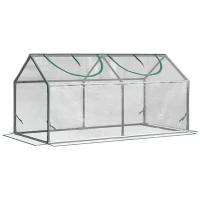
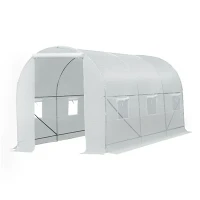
When strolling through a walk - in PE greenhouse, one can indeed observe different types of soil, each with its unique characteristics and roles in the plant - growing process. As a supplier of walk - in PE greenhouses, I've had the privilege of witnessing the diverse soil scenarios within these structures, and I'm excited to share some insights with you.
1. Loam Soil
Loam soil is often considered the gold standard in gardening. It is a well - balanced mixture of sand, silt, and clay. When walking in a PE greenhouse, you may notice loam soil in many beds dedicated to a wide variety of plants. The sand particles in loam soil provide good drainage, preventing waterlogging. Silt particles contribute to the soil's ability to hold nutrients, while clay particles help retain moisture.
This type of soil is ideal for most vegetables, flowers, and herbs. For example, tomatoes thrive in loam soil as it allows their roots to access water, air, and nutrients easily. The structure of loam soil also promotes good root development. In our Walk In Pe Greenhouse, many customers choose to use loam soil as a base for their plantings, as it provides a stable and fertile environment for growth.
2. Sandy Soil
Sandy soil is characterized by its large particles. When you walk through a greenhouse and come across sandy soil, you'll notice that it feels gritty to the touch. Sandy soil drains very quickly, which can be both an advantage and a disadvantage. On one hand, it prevents water from pooling around plant roots, reducing the risk of root rot. On the other hand, it doesn't hold nutrients or moisture well.
Plants that are adapted to arid conditions, such as cacti and succulents, do well in sandy soil. In our greenhouses, we often see customers using sandy soil in specialized areas for these types of plants. The fast - draining nature of sandy soil mimics their natural habitat, allowing them to grow healthily. If you're interested in creating a desert - like corner in your Garden Green House, sandy soil is the way to go.
3. Clay Soil
Clay soil has very fine particles. It feels sticky when wet and hard when dry. When walking in a PE greenhouse, you may encounter clay soil in areas where water retention is a priority. Clay soil has a high capacity to hold water and nutrients, but its drainage is poor. This can lead to problems if not managed properly, as plants may suffocate due to lack of oxygen in waterlogged clay soil.
However, some plants, like certain types of iris and daylilies, can tolerate clay soil. To improve the usability of clay soil in a greenhouse, gardeners often add organic matter such as compost. This helps to break up the clay particles, improving drainage and aeration. Our Sturdy Green House provides a stable environment where gardeners can experiment with different soil - improvement techniques for clay soil.
4. Peat Soil
Peat soil is formed from partially decomposed plant material in wetland areas. It is light, porous, and has a high water - holding capacity. In a walk - in PE greenhouse, peat soil is commonly used in seed - starting trays and for growing acid - loving plants like blueberries.
Peat soil is rich in organic matter, which provides nutrients for young plants. Its porous structure also allows for good root penetration. However, peat is a non - renewable resource, and there are concerns about its environmental impact. In recent years, many gardeners have started looking for alternative soil amendments to replace or reduce the use of peat soil.
5. Compost - Amended Soil
Compost is a valuable addition to any greenhouse soil. When you walk through a greenhouse, you'll likely find beds with soil that has been amended with compost. Compost is made from decomposed organic materials such as kitchen scraps, leaves, and grass clippings.
Adding compost to soil improves its structure, fertility, and water - holding capacity. It also enhances the soil's ability to support beneficial microorganisms. In our walk - in PE greenhouses, we encourage customers to use compost - amended soil as it provides a sustainable and cost - effective way to grow healthy plants. Compost can be mixed with other soil types, such as loam or sandy soil, to create a customized growing medium for different plants.
Importance of Soil Types in a Walk - In PE Greenhouse
The choice of soil type in a walk - in PE greenhouse is crucial for the success of plant growth. Different plants have different soil requirements, and understanding these requirements can help gardeners achieve better results. For example, a vegetable garden in a greenhouse may require loam or compost - amended soil to support the growth of a variety of crops. On the other hand, a flower bed may benefit from a more specialized soil mix depending on the types of flowers being grown.
In addition, the soil type can also affect the overall climate and environment within the greenhouse. Well - drained soil can prevent excessive humidity, reducing the risk of fungal diseases. At the same time, soil that holds moisture well can help maintain a stable temperature in the greenhouse, especially during hot summer days.
Conclusion
In conclusion, when walking in a PE greenhouse, one can clearly observe different types of soil, each with its own set of characteristics and benefits. As a walk - in PE greenhouse supplier, we understand the importance of providing a suitable environment for different soil types and plant growth. Whether you're a novice gardener or an experienced horticulturist, choosing the right soil for your greenhouse can make a significant difference in the health and productivity of your plants.
If you're interested in purchasing a walk - in PE greenhouse for your gardening needs, we invite you to contact us for more information and to discuss your specific requirements. We can provide you with detailed advice on soil selection and other aspects of greenhouse gardening.

References
- Brady, N. C., & Weil, R. R. (2008). The Nature and Properties of Soils. Pearson Prentice Hall.
- Smith, J. D. (2015). Greenhouse Gardening: A Comprehensive Guide. Garden Press.