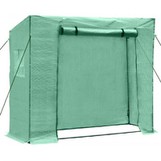
Hey there, fellow gardening enthusiasts! As a supplier of metal frame greenhouses, I often get asked about the humidity levels inside these nifty structures. It's a crucial factor that can make or break your gardening success, so let's dive right in and explore what the humidity level inside a metal frame greenhouse really is and how you can manage it.
First off, let's understand why humidity matters in a greenhouse. Plants need the right amount of moisture in the air to thrive. Too much humidity can lead to problems like mold, mildew, and fungal diseases. On the other hand, too little humidity can cause plants to dry out, wilt, and struggle to grow. So, finding that sweet spot is key.
The ideal humidity level inside a metal frame greenhouse can vary depending on the types of plants you're growing. Generally, most common greenhouse plants prefer a humidity level between 50% and 70%. Tropical plants, for example, love a more humid environment, often around 70% to 80%. Meanwhile, succulents and cacti can tolerate lower humidity levels, usually around 30% to 50%.
Now, let's talk about what affects the humidity inside a metal frame greenhouse. One of the biggest factors is ventilation. If your greenhouse doesn't have proper ventilation, the humidity can build up quickly. Metal frame greenhouses are great because they can be designed with adjustable vents and windows. Opening these up allows fresh air to circulate, which helps to reduce humidity. For instance, on a sunny day, opening the vents in the morning can prevent the humidity from getting too high as the temperature rises.
Another factor is watering. Over - watering your plants can increase the humidity significantly. When you water your plants, some of the water evaporates into the air. If you're watering too frequently or using too much water, the excess moisture will stay in the greenhouse. It's important to water your plants based on their needs and the conditions inside the greenhouse. A good rule of thumb is to check the soil moisture before watering. If the top inch or so of soil is dry, it's probably time to water.
The type of plants you have also plays a role. Some plants are more "thirsty" than others and release more moisture into the air through a process called transpiration. For example, leafy greens like lettuce and spinach transpire a lot, which can increase the humidity. If you have a lot of these high - transpiring plants, you may need to pay extra attention to ventilation and humidity control.
So, how can you measure the humidity inside your metal frame greenhouse? A simple and affordable way is to use a hygrometer. You can find these at most gardening stores or online. Just place the hygrometer in a central location inside the greenhouse, away from direct sunlight and sources of heat or cold. Check it regularly to get an idea of the humidity levels throughout the day and night.
If you find that the humidity is too high, there are a few things you can do. As I mentioned earlier, ventilation is key. You can also use a dehumidifier. There are small, portable dehumidifiers available that are perfect for a greenhouse. These work by pulling the moisture out of the air and collecting it in a reservoir. Another option is to use fans. Fans help to circulate the air, which can prevent moisture from settling in one area and reduce the overall humidity.
On the flip side, if the humidity is too low, you can increase it by misting your plants. You can use a spray bottle filled with water to gently mist the leaves. You can also place trays of water around the greenhouse. As the water evaporates, it will add moisture to the air.
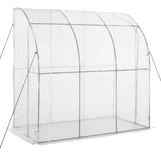
Now, let me tell you a bit about the metal frame greenhouses we supply. Our greenhouses are designed with functionality and durability in mind. They come in various sizes and styles to suit different needs. For those who have limited space, we offer Wall Leaning Greenhouse options. These are great because they can be attached to a wall, saving space while still providing a great environment for your plants.
If you're just starting out or have a small garden, our Small Lean To Greenhouse is a perfect choice. It's compact but still has enough room to grow a variety of plants. And for those on a budget, our Small Plastic Lean To Greenhouse is a cost - effective option that doesn't compromise on quality.
Managing the humidity inside a metal frame greenhouse is all about finding the right balance. By understanding the factors that affect humidity, using the right tools to measure it, and taking appropriate actions to adjust it, you can create a perfect environment for your plants to grow. Whether you're a beginner or an experienced gardener, our metal frame greenhouses can provide the ideal space for your gardening adventures.


If you're interested in purchasing a metal frame greenhouse or have any questions about humidity control or our products, don't hesitate to reach out. We're here to help you make the most of your gardening experience. Let's work together to create a thriving greenhouse for your plants!
References
- "The Greenhouse Gardener's Companion" by Shane Smith
- Various gardening articles from well - known horticultural magazines