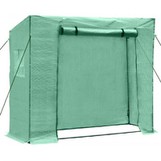
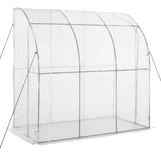
Ventilation is a critical aspect of maintaining a healthy and productive high tunnel greenhouse. As a leading supplier of High Tunnel Greenhouse, I understand the importance of proper ventilation in creating an optimal growing environment. In this blog post, I will discuss the ventilation requirements for a high tunnel greenhouse, including the factors that influence ventilation needs, the different types of ventilation systems available, and the benefits of proper ventilation.
Factors Influencing Ventilation Needs
Several factors influence the ventilation requirements of a high tunnel greenhouse. These factors include the size and shape of the greenhouse, the type of crops being grown, the climate in which the greenhouse is located, and the time of year.
- Size and Shape of the Greenhouse: Larger greenhouses generally require more ventilation than smaller ones. This is because larger greenhouses have a greater volume of air that needs to be exchanged to maintain proper temperature and humidity levels. The shape of the greenhouse can also affect ventilation. For example, a greenhouse with a peaked roof will allow for better air circulation than a greenhouse with a flat roof.
- Type of Crops Being Grown: Different crops have different ventilation requirements. Some crops, such as tomatoes and cucumbers, require high levels of ventilation to prevent the buildup of humidity and the spread of diseases. Other crops, such as lettuce and spinach, can tolerate lower levels of ventilation.
- Climate in Which the Greenhouse is Located: The climate in which the greenhouse is located plays a significant role in determining the ventilation requirements. In hot and humid climates, more ventilation is needed to cool the greenhouse and reduce humidity levels. In cold climates, less ventilation may be required to conserve heat.
- Time of Year: The ventilation requirements of a high tunnel greenhouse can also vary depending on the time of year. During the summer months, more ventilation is needed to cool the greenhouse and prevent overheating. During the winter months, less ventilation may be required to conserve heat.
Types of Ventilation Systems
There are several types of ventilation systems available for high tunnel greenhouses. These systems can be classified into two main categories: natural ventilation and mechanical ventilation.
- Natural Ventilation: Natural ventilation is the most common type of ventilation system used in high tunnel greenhouses. It relies on the natural movement of air to ventilate the greenhouse. Natural ventilation can be achieved through the use of vents, windows, and doors. Vents are typically located at the top of the greenhouse to allow hot air to escape. Windows and doors can be opened to allow fresh air to enter the greenhouse.
- Mechanical Ventilation: Mechanical ventilation systems use fans to circulate air in the greenhouse. These systems can be more effective than natural ventilation systems, especially in larger greenhouses or in areas with poor natural ventilation. There are two main types of mechanical ventilation systems: exhaust fans and intake fans. Exhaust fans are used to remove hot and humid air from the greenhouse, while intake fans are used to bring fresh air into the greenhouse.
Benefits of Proper Ventilation
Proper ventilation is essential for maintaining a healthy and productive high tunnel greenhouse. The benefits of proper ventilation include:
- Temperature Control: Ventilation helps to regulate the temperature inside the greenhouse. By removing hot air and bringing in fresh air, ventilation can prevent the greenhouse from overheating during the summer months and keep it warm during the winter months.
- Humidity Control: Ventilation also helps to control the humidity levels inside the greenhouse. High humidity levels can lead to the growth of mold and mildew, which can damage crops. By removing excess moisture from the air, ventilation can prevent the buildup of humidity and keep the greenhouse environment dry and healthy.
- Air Circulation: Proper ventilation ensures good air circulation inside the greenhouse. This helps to distribute heat, humidity, and carbon dioxide evenly throughout the greenhouse, which is essential for the healthy growth of crops.
- Disease Prevention: Ventilation can help to prevent the spread of diseases in the greenhouse. By removing stale air and bringing in fresh air, ventilation can reduce the concentration of pathogens in the air and prevent the spread of diseases from one plant to another.
Ventilation Requirements for Different Crops
As mentioned earlier, different crops have different ventilation requirements. Here are some general guidelines for the ventilation requirements of common greenhouse crops:
- Tomatoes: Tomatoes require high levels of ventilation to prevent the buildup of humidity and the spread of diseases. They need a minimum of 10 air exchanges per hour.
- Cucumbers: Cucumbers also require high levels of ventilation. They need a minimum of 8 air exchanges per hour.
- Lettuce: Lettuce can tolerate lower levels of ventilation. It needs a minimum of 4 air exchanges per hour.
- Spinach: Spinach can also tolerate lower levels of ventilation. It needs a minimum of 3 air exchanges per hour.
Designing a Ventilation System for Your High Tunnel Greenhouse
When designing a ventilation system for your high tunnel greenhouse, it is important to consider the factors mentioned above, such as the size and shape of the greenhouse, the type of crops being grown, the climate in which the greenhouse is located, and the time of year. Here are some tips for designing an effective ventilation system:


- Determine the Ventilation Requirements: Calculate the ventilation requirements of your greenhouse based on the size of the greenhouse, the type of crops being grown, and the climate in which the greenhouse is located.
- Choose the Right Ventilation System: Select a ventilation system that is appropriate for your greenhouse and your specific needs. Consider the cost, energy efficiency, and effectiveness of the system.
- Position the Vents and Fans: Place the vents and fans in the greenhouse in a way that maximizes air circulation. Vents should be located at the top of the greenhouse to allow hot air to escape, and fans should be positioned to draw fresh air into the greenhouse.
- Install a Control System: Install a control system to regulate the operation of the ventilation system. This will allow you to adjust the ventilation rate based on the temperature, humidity, and other environmental conditions inside the greenhouse.
Conclusion
Proper ventilation is essential for maintaining a healthy and productive high tunnel greenhouse. By understanding the factors that influence ventilation needs, the different types of ventilation systems available, and the benefits of proper ventilation, you can design an effective ventilation system for your greenhouse. As a supplier of High Tunnel Greenhouse, I am committed to helping you create the best possible growing environment for your crops. If you have any questions or need further information about ventilation requirements for high tunnel greenhouses, please do not hesitate to contact me. We are here to assist you in making the right decisions for your greenhouse and to ensure the success of your growing operation.
References
- Resh, H. M. (2013). Greenhouse Horticulture: An Integrated Approach. CABI.
- Savvas, D., & Gruda, N. (Eds.). (2018). Hydroponic Production of Vegetables and Ornamentals. Springer.
- Bartok, J. W. (2010). Greenhouse Engineering and Management. Elsevier.