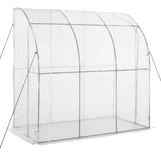
Hey there, fellow gardening enthusiasts! If you're like me, you're always on the lookout for ways to extend the growing season and get the most out of your garden. One of the best ways to do that, especially in colder climates, is by using a cold frame. And if you're thinking about growing tomatoes, a cold frame can be a game-changer. I'm a cold frame supplier, and I've seen firsthand how these simple structures can make a big difference in tomato cultivation. So, let's dive into how you can grow tomatoes in a cold frame.
Why Use a Cold Frame for Tomatoes?
Tomatoes are warm-season crops that love sunlight and heat. But in many regions, the growing season is just too short for them to reach their full potential outdoors. That's where a cold frame comes in. A cold frame is like a mini greenhouse that traps heat from the sun, creating a warmer and more stable environment for your plants. It can protect your tomato plants from frost, cold winds, and sudden temperature drops, allowing you to start planting earlier in the spring and keep harvesting later in the fall.
There are different types of cold frames available, and depending on your needs and space, you can choose the one that suits you best. For example, if you have a large outdoor space, an Outdoor Greenhouse for Winter might be a great option. It provides ample space for multiple tomato plants and can withstand harsh winter conditions. If you want to combine the benefits of a greenhouse with a cold frame, a Greenhouse with Cold Frame could be your choice. And if you live in an apartment or have limited space, a Balcony Cold Frame is perfect for growing a few tomato plants on your balcony.
Choosing the Right Tomato Varieties
Not all tomato varieties are created equal when it comes to growing in a cold frame. You'll want to choose varieties that are well-suited to the slightly cooler and more confined environment. Determinate varieties are often a good choice because they tend to be more compact and bushier, making them easier to manage in a limited space. Some popular determinate tomato varieties include Roma, Celebrity, and Rutgers.
Indeterminate varieties can also be grown in a cold frame, but they will require more space and support. They continue to grow and produce fruit throughout the season, so you'll need to make sure you have enough room for them to spread out. Varieties like Beefsteak and Brandywine are delicious but can get quite large, so plan accordingly.


Preparing the Cold Frame
Before you plant your tomato seedlings, you need to prepare the cold frame. First, choose a location that gets plenty of sunlight. The south-facing side of your house or garden is usually a great spot. Make sure the area is level and free of any debris.
Next, line the bottom of the cold frame with a layer of organic matter, such as compost or well-rotted manure. This will provide nutrients for your tomato plants and help improve the soil structure. You can also add a layer of mulch on top of the soil to help retain moisture and keep the soil temperature more stable.
Planting Tomato Seedlings
When it comes to planting tomato seedlings in a cold frame, timing is crucial. You can start your seedlings indoors about 6-8 weeks before the last expected frost date in your area. Once the seedlings have developed a few sets of true leaves and are about 3-4 inches tall, they're ready to be transplanted into the cold frame.
Make sure to harden off your seedlings before transplanting them. This means gradually exposing them to the outdoor conditions for a few hours each day over the course of a week. This will help them adjust to the new environment and reduce the risk of transplant shock.
Dig holes in the soil of the cold frame that are slightly larger than the root balls of your seedlings. Gently remove the seedlings from their containers and place them in the holes. Fill in the holes with soil and gently firm the soil around the base of the plants. Water the seedlings thoroughly after planting.
Caring for Tomato Plants in a Cold Frame
Once your tomato plants are in the cold frame, you need to take good care of them to ensure a bountiful harvest.
Watering
Tomatoes need consistent moisture, but they don't like to be waterlogged. Water your plants deeply but infrequently, allowing the soil to dry out slightly between waterings. You can use a soaker hose or a watering can to water the base of the plants, avoiding getting the leaves wet. This will help prevent diseases like blight.
Fertilizing
Tomatoes are heavy feeders, so they'll need regular fertilizing. You can use a balanced organic fertilizer, such as a 10-10-10 or a tomato-specific fertilizer. Follow the instructions on the fertilizer package for the correct application rate and frequency. You can also add some compost or well-rotted manure to the soil throughout the growing season to provide additional nutrients.
Pruning and Training
If you're growing indeterminate tomato varieties, you'll need to prune and train them to keep them under control. Remove the suckers (the small shoots that grow in the axils between the main stem and the branches) regularly. This will help direct the plant's energy towards producing fruit rather than foliage. You can also use stakes or cages to support the plants and keep them upright.
Ventilation
Proper ventilation is essential in a cold frame to prevent the buildup of heat and humidity, which can lead to diseases. Open the lid of the cold frame on warm days to allow fresh air to circulate. You can also prop the lid open slightly at night if the temperature is mild.
Harvesting Tomatoes
One of the most exciting parts of growing tomatoes in a cold frame is harvesting the delicious fruits. Depending on the variety, your tomatoes should be ready to harvest about 60-80 days after planting. You'll know they're ripe when they have reached their full color and are slightly soft to the touch.
Use a sharp pair of scissors or pruning shears to cut the tomatoes from the vine. Be careful not to damage the plant. Once you've harvested your tomatoes, you can enjoy them fresh in salads, sandwiches, or cooked in your favorite recipes.
Conclusion
Growing tomatoes in a cold frame is a rewarding experience that allows you to enjoy fresh, homegrown tomatoes even in colder climates. With the right preparation, care, and the right cold frame, you can have a successful tomato harvest.
If you're interested in purchasing a cold frame for your tomato-growing adventure, I'm here to help. Whether you need advice on choosing the right cold frame or want to discuss your specific gardening needs, feel free to reach out. I'm always happy to assist fellow gardeners in getting the most out of their cold frames.
References
- "The Vegetable Gardener's Bible" by Edward C. Smith
- "Tomatoes for Every Garden" by Craig LeHoullier