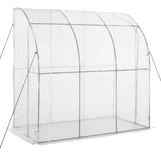
Maintaining the right temperature in a small home greenhouse is crucial for the health and growth of your plants. As a supplier of Small Home Greenhouse, I've witnessed firsthand the challenges and successes that come with temperature control in these intimate gardening spaces. In this blog, I'll share some practical strategies and tips to help you keep your greenhouse at an optimal temperature year - round.
Understanding the Temperature Needs of Your Plants
Before diving into temperature control methods, it's essential to understand the specific temperature requirements of the plants you're growing. Different plants have different preferences. For instance, tropical plants like orchids and bromeliads thrive in warmer temperatures, usually between 65°F and 80°F (18°C - 27°C). On the other hand, cool - season crops such as lettuce, spinach, and peas prefer temperatures ranging from 45°F to 65°F (7°C - 18°C).
Research the ideal temperature ranges for each plant species in your greenhouse. You can create a simple chart to keep track of these requirements, which will serve as a guide when adjusting the greenhouse temperature.
Natural Ventilation
One of the most cost - effective ways to control temperature in a small home greenhouse is through natural ventilation. This involves using vents, doors, and windows to allow fresh air to circulate.
- Side Vents: Install side vents near the top of your greenhouse. Hot air rises, and these vents will allow the warm air to escape. You can use manual vents that you open and close as needed, or invest in automatic vent openers. These openers use a wax - filled cylinder that expands with heat, causing the vent to open automatically when the temperature inside the greenhouse reaches a certain level.
- Roof Vents: Roof vents are also very effective. They can be opened to release the hottest air at the peak of the greenhouse. In combination with side vents, they create a cross - ventilation effect, pulling fresh, cooler air in through the lower vents and pushing warm air out through the roof.
- ** Doors and Windows**: Opening the greenhouse doors and windows on mild days can significantly improve air circulation. Just make sure to close them at night or when the outside temperature drops to prevent your plants from getting too cold.
Shading
During the hot summer months, too much sunlight can cause the temperature inside the greenhouse to soar. Shading is an effective way to reduce the amount of sunlight and heat entering the greenhouse.


- Shade Cloth: Shade cloth comes in different densities, measured in percentages. For example, a 30% shade cloth will block 30% of the sunlight. You can choose the appropriate density based on the intensity of sunlight in your area and the light requirements of your plants. Install the shade cloth on the outside of the greenhouse for maximum effect. It can be attached to a frame or simply draped over the structure.
- Paint - on Shades: There are also paint - on shading products available. These are applied directly to the greenhouse glazing. They can be easily washed off at the end of the season, allowing for full sunlight in the cooler months.
Heating
In colder climates or during the winter months, you'll need to heat your small home greenhouse to keep your plants warm.
- Electric Heaters: Electric heaters are a popular choice for small greenhouses. They are easy to install and control. You can use thermostats to set the desired temperature, and the heater will turn on and off as needed. There are different types of electric heaters, such as fan - forced heaters that distribute heat quickly and radiant heaters that emit heat directly to objects in the greenhouse.
- Propane Heaters: Propane heaters are another option. They are more powerful than electric heaters and can heat larger greenhouses. However, they require proper ventilation to prevent the build - up of carbon monoxide. Make sure to follow the manufacturer's instructions carefully when using propane heaters.
- Compost Heat: Composting can also be a natural way to generate heat in your greenhouse. As organic materials break down, they produce heat. You can create a compost pile inside or near the greenhouse. The heat generated can help warm the surrounding air.
Insulation
Insulating your small home greenhouse can help retain heat in the winter and keep it cool in the summer.
- Double - Glazing: If your greenhouse has glass or plastic panels, consider using double - glazing. This involves having two layers of glazing with a layer of air in between. The air acts as an insulator, reducing heat transfer. Double - glazing can significantly improve the energy efficiency of your greenhouse.
- Insulating Blankets: Insulating blankets can be used to cover the greenhouse at night or during cold spells. They are made of materials such as bubble wrap or fleece and can be easily rolled up during the day to allow sunlight in.
Monitoring the Temperature
Regularly monitoring the temperature inside your greenhouse is essential. You can use a simple thermometer to check the temperature at different times of the day. Place thermometers at different heights and locations in the greenhouse, as the temperature can vary.
For more accurate and detailed monitoring, you can invest in a digital temperature and humidity sensor. These sensors can be connected to a smartphone app, allowing you to monitor the conditions in your greenhouse from anywhere.
Choosing the Right Greenhouse Structure
The type of greenhouse you choose can also affect temperature control. Our Small Metal Greenhouse offers several advantages in this regard. Metal structures are durable and can withstand different weather conditions. They also conduct heat well, which means they can absorb and radiate heat more efficiently than some other materials.
Our Small Outdoor Greenhouse for Winter is specifically designed to keep plants warm during the cold months. It has better insulation and a more enclosed design to prevent heat loss.
Conclusion
Controlling the temperature in a small home greenhouse requires a combination of strategies. By understanding your plants' temperature needs, using natural ventilation, shading, heating, insulation, and proper monitoring, you can create an ideal environment for your plants to thrive.
If you're interested in purchasing a small home greenhouse or need more advice on temperature control, I'd love to hear from you. Contact us to start a conversation about your gardening needs and how our products can help you achieve the perfect growing environment.
References
- "The Greenhouse Gardener's Companion" by Sharon Askew
- "Greenhouse Horticulture" by Bart N. W. Hendriks