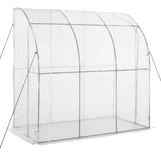
Selecting the right size for a lean - to greenhouse is a crucial decision that can significantly impact your gardening experience. As a supplier of lean - to greenhouses, I understand the importance of making an informed choice. In this blog, I'll guide you through the factors to consider when choosing the appropriate size for your lean - to greenhouse.
Assessing Your Gardening Goals
The first step in choosing the right size is to define your gardening goals. Are you planning to grow a few herbs and flowers for personal use, or do you have ambitions of starting a small - scale commercial operation?
If you're a hobbyist growing herbs, salad greens, and a few potted flowers, a smaller lean - to greenhouse may be sufficient. A greenhouse with dimensions of around 4 feet by 6 feet can provide enough space for a dozen or so small pots and trays. This size is also ideal for those with limited outdoor space, such as apartment dwellers with a small balcony or patio.
On the other hand, if you're looking to grow a wider variety of plants, including larger vegetables like tomatoes, cucumbers, and peppers, you'll need a larger space. A greenhouse measuring 8 feet by 12 feet or more can accommodate multiple raised beds, trellises for climbing plants, and space for storage of gardening tools.
For commercial growers, the size requirements are even more substantial. You'll need to consider the volume of produce you plan to grow and sell. A commercial lean - to greenhouse could range from 20 feet by 30 feet to much larger sizes, depending on the scale of your operation.
Available Space
The amount of available space in your garden or yard is a practical limitation when choosing the size of your lean - to greenhouse. Lean - to greenhouses are designed to be attached to an existing structure, such as a house, garage, or shed. You need to measure the wall space where you plan to attach the greenhouse.
Make sure to account for any obstacles such as windows, doors, or utility meters on the wall. You also need to leave enough space around the greenhouse for ventilation, access, and maintenance. A general rule of thumb is to leave at least 1 - 2 feet of clearance on all sides of the greenhouse.
If you have a small garden, you may need to opt for a more compact lean - to greenhouse. However, don't be too quick to sacrifice space. Some Wall Leaning Greenhouse models are designed to maximize the use of vertical space, allowing you to grow more plants in a smaller footprint.
Climate and Weather Conditions
The climate in your area plays a significant role in determining the size of your lean - to greenhouse. In colder climates, a smaller greenhouse may be easier to heat and maintain a consistent temperature. A smaller volume of air requires less energy to heat, which can save you money on heating costs.
Conversely, in warmer climates, a larger greenhouse may be beneficial as it allows for better air circulation. This helps prevent the buildup of heat and humidity, which can lead to fungal diseases and other plant problems.
If you live in an area prone to strong winds, you'll need to consider the wind resistance of the greenhouse. Wind Resistant Greenhouse models are available, and the size of the greenhouse can affect its stability. Generally, a shorter and wider greenhouse is more stable in windy conditions compared to a tall and narrow one.
Budget
Your budget is another important factor to consider. Larger greenhouses typically cost more than smaller ones. The cost includes not only the purchase price of the greenhouse but also the cost of installation, heating, ventilation, and other accessories.


When setting your budget, make sure to account for all these expenses. You may be able to find cost - effective options by choosing a Metal Frame Greenhouse. Metal frames are often more affordable than wooden frames and are also more durable and resistant to rot and pests.
However, don't compromise on quality just to save money. A well - built greenhouse will last for many years and provide a better growing environment for your plants.
Future Expansion
It's always a good idea to think about future expansion when choosing the size of your lean - to greenhouse. If you anticipate increasing your gardening activities in the future, you may want to choose a larger greenhouse or a model that can be easily expanded.
Some lean - to greenhouses come with modular designs, allowing you to add additional sections as needed. This gives you the flexibility to adapt to your changing gardening needs without having to replace the entire greenhouse.
Choosing the Right Dimensions
Once you've considered all the factors above, it's time to choose the specific dimensions of your lean - to greenhouse. The height of the greenhouse is an important consideration. A taller greenhouse allows for better air circulation and can accommodate taller plants. A height of at least 6 - 7 feet is recommended for most home gardeners.
The width and length of the greenhouse will depend on your available space and gardening goals. As mentioned earlier, for a small hobby garden, a width of 4 - 6 feet and a length of 6 - 8 feet may be sufficient. For larger gardens or commercial operations, you may need widths of 8 - 12 feet or more and lengths of 12 - 30 feet or longer.
Conclusion
Choosing the right size for a lean - to greenhouse is a multi - faceted decision that requires careful consideration of your gardening goals, available space, climate, budget, and future expansion plans. As a supplier of lean - to greenhouses, I'm here to help you make the best choice for your needs.
If you're interested in learning more about our lean - to greenhouse options or have any questions about sizing, please don't hesitate to contact us. We're happy to assist you in finding the perfect greenhouse for your garden. Whether you're a beginner gardener or an experienced commercial grower, we have the expertise and products to meet your requirements.
References
- "The Complete Guide to Greenhouse Gardening" by James Hyde
- "Greenhouse Horticulture: Principles and Practices" by Bart C. Weatherspoon