


What is Above Ground Garden Bed
Above ground garden bed is a form of gardening in which the soil is raised above ground level and usually enclosed in some way. Raised bed structures can be made of wood, rock, concrete or other materials, and can be of any size or shape.The soil is usually enriched with compost.
Benefits of Above Ground Garden Bed
Better Soil For Plant Growth
Above ground garden bed work as a protective barrier against the elements that could affect the soil's nutrient profile and structure. It extends the effectiveness and potency of compost, manures, and other soil conditioners that you have applied to the soil.
Amending the soil is backbreaking work, and if the conditions are not suitable, the soil conditioners you applied to the soil could wash away. By planting in above ground garden bed, the soil amendments will be absorbed better by the plants, so none of your hard work is wasted.
Easy Gardening
Gardening promotes better health but for seniors or individuals with mobility problems, it can be backbreaking. Weeding, for example, can take a serious toll on the knees and back. Because above ground garden bed hold the soil in a confined space, removing invasive plants like weeds is much easier.
Working in a confined space, you are not spending hours bending over or kneeling while gardening. Also, weeds and crabgrass do not grow too aggressively in a raised bed, so there are few weeds to pull. This makes gardening less painful on the back and joints.
Protects From Pests
Plants grown in a raised bed planter are less likely to be destroyed by pests. The planter works as a barrier that keeps nibbling, burrowing, and crawling insects and rodents away. Slugs cannot crawl all over your vegetables; groundhogs won't steal your root crops. Dogs and other animals won't dig all over the garden or urinate directly on the plants. If deer are a problem in your region, you can install simple fencing or buy a raised bed with a built-in deer fence to keep large animals away.
Better Drainage
Efficient drainage plays a critical role in better plant health – root rot could cause plants to die. Wet soils could also encourage contamination, causing pests and diseases to spread throughout the garden. Excess moisture could also cause nutrients from the soil to wash away. A raised bed features drainage holes, so water does not pool at the bottom and cause problems. Even in heavy rains, above ground garden bed drain better than garden soil left to the elements.
Related Products

Corten Steel Raised Garden Bed
Corten Steel Raised Garden Bed is a designated area in a garden for planting plants, flowers, and vegetables. It can be created in various ways, such as a raised bed, using containers, or directly on the ground. Garden beds are very popular among gardeners because they provide a closed space for plant growth, improve soil quality, and make it easier to control weeds and pests.

U Shaped Raised Garden Bed is a designated area in a garden for planting plants, flowers, and vegetables. It can be created in various ways, such as a raised bed, using containers, or directly on the ground. Garden beds are very popular among gardeners because they provide a closed space for plant growth, improve soil quality, and make it easier to control weeds and pests.

Galvanized Steel Raised Garden Bed
Galvanized Steel Raised Garden Bed is a designated area in a garden for planting plants, flowers, and vegetables. It can be created in various ways, such as a raised bed, using containers, or directly on the ground. Garden beds are very popular among gardeners because they provide a closed space for plant growth, improve soil quality, and make it easier to control weeds and pests.

Metal Raised Garden Bed is a designated area in a garden for planting plants, flowers, and vegetables. It can be created in various ways, such as a raised bed, using containers, or directly on the ground.

Above Ground Garden Bed is a designated area in a garden for planting plants, flowers, and vegetables. It can be created in various ways, such as a raised bed, using containers, or directly on the ground. Garden beds are very popular among gardeners because they provide a closed space for plant growth, improve soil quality, and make it easier to control weeds and pests.
Why Choose us
Quality Assurance
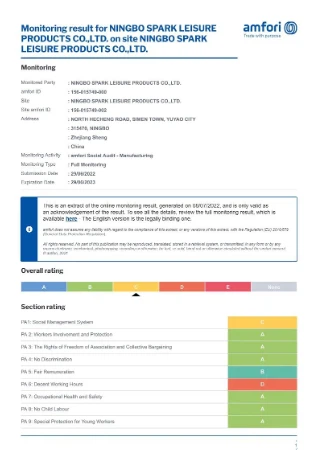
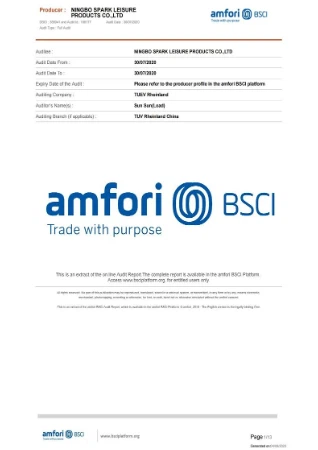
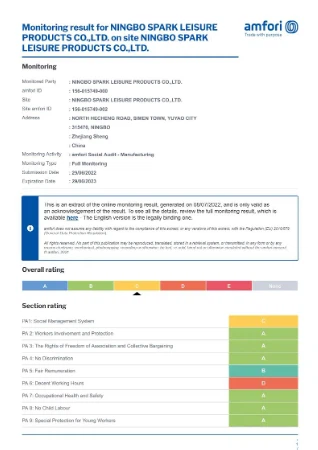
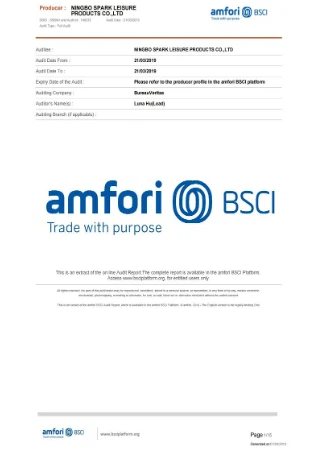
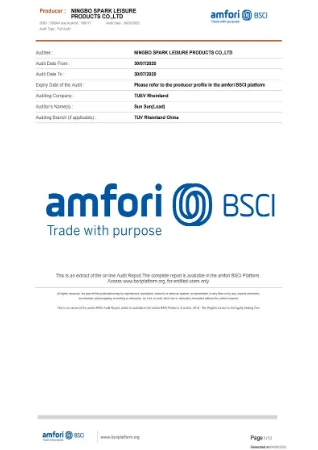
We have obtained BSCI certificates. Selling well in all cities and provinces around China, our products are also exported to clients in such countries and regions as America. We also welcome Europe and Australia orders.
Experience and expertise
Dedicated to strict quality control and thoughtful customer service, our experienced staff members are always available to discuss your requirements and ensure full customer satisfaction.
Quality Services
Whether selecting a current product from our catalog or seeking engineering assistance for your application, you can talk to our customer service center about your sourcing requirements.
The Right Location for Above Ground Garden Bed
SUNLIGHT
The first, and most important, aspect to consider is sunlight exposure. Your garden will need to receive six or more direct sunlight hours per day. Really though, you're aiming for as much sun as possible. Ideally, you'll position your garden on the south side of any tall structures, such as homes, garages, tall sheds, and fences. This is especially important during the winter months, when the sun is lower on the horizon for those of us who live in the Northern Hemisphere.
WATER
The second aspect to consider is water proximity. Place your garden, when possible, near a spigot, a rain barrel, or a location where it can be connected to an irrigation system. Plants love the deep and consistent water that drip irrigation can supply (more on the best way to water plants in above ground garden bed in a bit!).
CONVENIENCE
The third aspect to consider is convenience. Your above ground garden bed should ideally be located as close to the kitchen as possible-or at least as close to your everyday activities as possible. Look for sunny locations near a back door, front door, or even next to your driveway so that you can pop outside with scissors to snip some herbs for dinner or some lettuce leaves for lunch.
AESTHETICS
Lastly, the final aspect to consider is how your above ground garden bed can fit in with the rest of your landscape. Your garden should feel like an extension of the home, something that's always been there. With that in mind, position your garden near prominent structures or line it up with existing elements of your home or yard. Look for spots where you could add beds along already-established lines, such as a side yard, a fence, a driveway, a deck, a patio, or a pool.
Main Types of Above Ground Garden Bed
Raised Ground Bed
Raised ground beds are one of the most common types of above ground garden bed. They involve creating a raised area of soil directly on the ground and are usually 6 to 8 inches high. These types of garden beds can be made by building a short enclosed frame using materials like bricks, stones, or rot-resistant wood (not pressure treated).
Some of the advantages of raised ground beds include better soil drainage and easier weed prevention. They also provide better accessibility for gardening tasks, such as planting, weeding, and harvesting (if you're growing vegetables).
It's often noted that above ground garden bed are the preferred choice for gardeners looking to plant over large areas but not wanting to have to build support frames.
Supported Raised Bed
Supported raised beds are elevated structures supported by legs or other frameworks. They are often made of materials such as wood, metal, stone, or plastic. These types of above ground garden bed are particularly great for landscaping a sloped backyard, as they present an even look.
Supported raised beds offer better accessibility for homeowners with disabilities or who may have trouble bending or kneeling for long periods of time. They are also advantageous for areas of your backyard with poor soil quality since you'll have control over the soil used. Additionally, the elevated design of supported raised beds can help prevent invasion by wildlife and ground insects.
Containerized Raised Bed
The last of the major types of above ground garden bed for your backyard, containerized garden beds use materials like pots and barrels to create a raised gardening area. They typically have taller sides (usually 10 inches or more) and can be placed almost anywhere in your backyard you want.
These types of above ground garden bed are perfect for those with limited outdoor space, able to be built for patios or small yards. Containerized raised beds offer the flexibility to move plants around, making them great for areas with varying amounts of sun exposure or for gardeners who like to try out different plant combinations with varying needs.
Bonus: While not considered one of the main types of above ground garden bed, elevated raised beds are also popular. These are often built similarly to containerized raised beds but are even higher. It makes them optimal for people who want or need to garden from a comfortable standing height.
Best Materials for Above Ground Garden Bed
Wood
Pre-treated cedar and redwood are the most popular and affordable choices.
Excellent insulator for soil.
Naturally resistant to rot and insects.
Durable and long-lasting.
Plastic
Lightweight, affordable and easy to move around.
Resistant to rot and decay.
Require minimal maintenance.
Not as durable as other materials and can be easily damaged by extreme weather.
Galvanized Steel or Metal
Sturdy and resistant to rust, corrosion and warping.
Great option for urban areas or places with limited space.
Easily stackable to create a multi-tiered garden bed.
Composite
Made from a combination of recycled plastic and wood fibers.
Durable, long-lasting.
Resistant to rot, insects and warping.
Eco-friendly and can help reduce waste.
Concrete
Excellent choice for gardeners who want a permanent structure.
Resistant to rot, insects and extreme weather conditions.
Heavy and difficult to transport, making them less suitable for gardeners who want a portable raised garden bed.
Garden Beds with Liners
Liners protect wood and metal beds.
Helps to keep water from draining out.
Keeps pests and invasive plants away.
Aids with soil retention.
Things To Consider When Buying A Above Ground Garden Bed
Where To Put The Above Ground Garden Bed
This is one of the most important things to consider before buying a raised bed because you want to ensure that your outdoor space has enough room. You want the plants to have enough room to grow, but the above ground garden bed shouldn't be in the way.
Start by measuring your outdoor space and looking for above ground garden bed with suitable dimensions. The area should have enough sunlight for at least 6 hours. You can check out raised bed and sunlight calculators online. Finally, check the best orientation for the above ground garden bed, east to west.
What Type Of Soil To Use
Garden soil is unsuitable for raised bed gardening because it's heavy and doesn't hold moisture well when placed in a planter bed. We suggest using a potting mix or fluffy soils that's been amended with compost and peat moss. Topsoil mixed with compost and peat moss is perfect for above ground garden bed because the soil has sufficient nutrients to support plant growth. You can always amend with your own organic fertilizers after the harvest season.
What Plants Grow In A Raised Bed?
So many, the options are virtually endless! You can plant most root vegetable varieties, leafy crops, and climbing crops in a raised bed planter. Installing trellises lets you grow a combination of root crops, climbing crops, and leafy crops. As long as the depth of the raised bed is deep enough, you can grow pretty much any plant on a raised bed.
How Deep Should You Build Your Above Ground Garden Bed?
Speaking of depth, how deep should a raised bed be? It's essential to check the depth requirement of each plant before getting a raised bed because once you buy the raised bed, you cannot modify the depth.
The standard size is three feet deep for most plants. As long as the soil is packed with nutrients and the depth of the raised bed is over 12 inches, you can grow various plants in it. That said, there are times when you have to go for above ground garden bed with greater depth than 3 feet. For example, deep rooting crops like tomatoes, squash, sweet potatoes, watermelons, and asparagus will require 24 to 36 inches of depth.
What Size Of Raised Bed To Get?
The raised bed size that suits your space will depend primarily on the size of the area where you will put it. Again, measure the space and check which raised bed planter works for that space. When set in your outdoor space, it should be big enough to grow various plants but sized just right so you can access it from both sides. The most popular sizes for above ground garden bed are 3 to 4 feet in width and 6, 8, and 10 feet in length.
Our Factory
Solayis established in 2010, is a professional engaged in the research, development, sale and service of gazebos,outdoor tents and green houses. Our company is located in ningbo zhejiang province with convenient transportation access.
In addition, we have obtained BSCI certificates. Selling well in all cities and provinces around China, our products are also exported to clients in such countries and regions as America. We also welcome Europe and Australia orders. We have many partners for ten years in a row, with the best quality service.We have also participated in many exhibitions, such as The Cologne Outdoor Leisure Fair and The China Import and Export Fair. The excellent quality of our products has earned us many compliments from our customers. We look forward to meeting more customers.

Our certificates

Asked Questions
Hot Tags: above ground garden bed, above ground garden bed manufacturers, suppliers, factory, steel garden bed, easter garden bed, trending garden bed, raised garden bed, garden bed accessories, soil filled garden bed


